
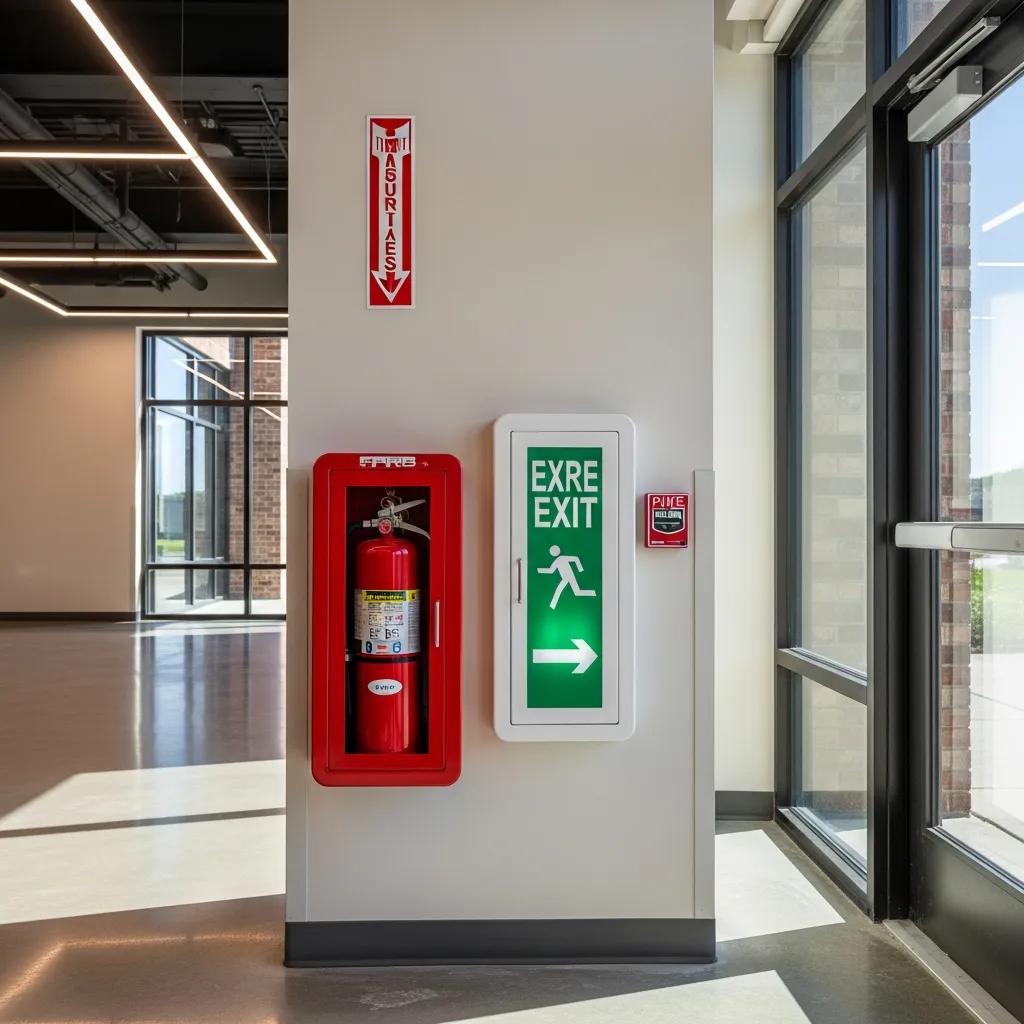
Essential Fire Safety Inspection Requirements — A Practical Guide to Commercial Compliance in Abu Dhabi
Fire safety isn’t optional — it protects people, property and your business continuity. In Abu Dhabi, complying with the Abu Dhabi Civil Defence (ADCD) inspection requirements is a core part of running a safe commercial property. This guide explains what ADCD expects, why routine inspections matter, and how to get ready so inspections go smoothly. Follow these steps to reduce risk, avoid penalties and keep your team and customers safe.
Below we cover: ADCD fire safety rules, the items on a commercial inspection checklist, how to prepare, why annual maintenance matters, standards for fire alarm upkeep, and how to obtain and renew the annual fire safety (fitness) certificate in Abu Dhabi.
What Are the Abu Dhabi Civil Defence Fire Safety Requirements for Businesses?
The Abu Dhabi Civil Defence (ADCD) sets mandatory fire safety standards for commercial buildings. These rules are designed to lower fire risk, protect occupants and keep buildings operational. Meeting ADCD requirements is both a legal duty and a practical safeguard for your people and assets.
Which Regulations Govern Fire Safety Inspections in Abu Dhabi?
Inspections in Abu Dhabi follow the UAE Fire and Life Safety Code of Practice alongside ADCD-specific guidance. Together these documents define acceptable standards for fire detection, suppression, emergency exits and equipment maintenance. Knowing which rules apply helps you plan upgrades and stay compliant.
Pay close attention to code details — items like fire damper ratings and fire-resistance requirements can trigger expensive retrofits if they’re overlooked.
Dubai Fire Code Compliance & Building Retrofit Strategies
The existing fire damper has a 1-hour fire protection rating while the code requires ducts and air-transfer openings penetrating walls or partitions having a fire resistance rating of 2 or more hours. This means that the existing fire damper is not compliant with the new fire code and needs to be replaced or upgraded to meet the required fire resistance rating.
Strategies for retrofitting an existing building to meet the new fire code in Dubai, A Shibeika, 2018
What Penalties Exist for Non-Compliance with ADCD Fire Safety Rules?
Failing to meet ADCD requirements can lead to fines, suspension of operations and other legal consequences. The exact penalty depends on the breach and the risk it poses. Treat compliance as a business-critical task to avoid enforcement action and to keep people safe.
What Does a Commercial Fire Safety Inspection Checklist Include?
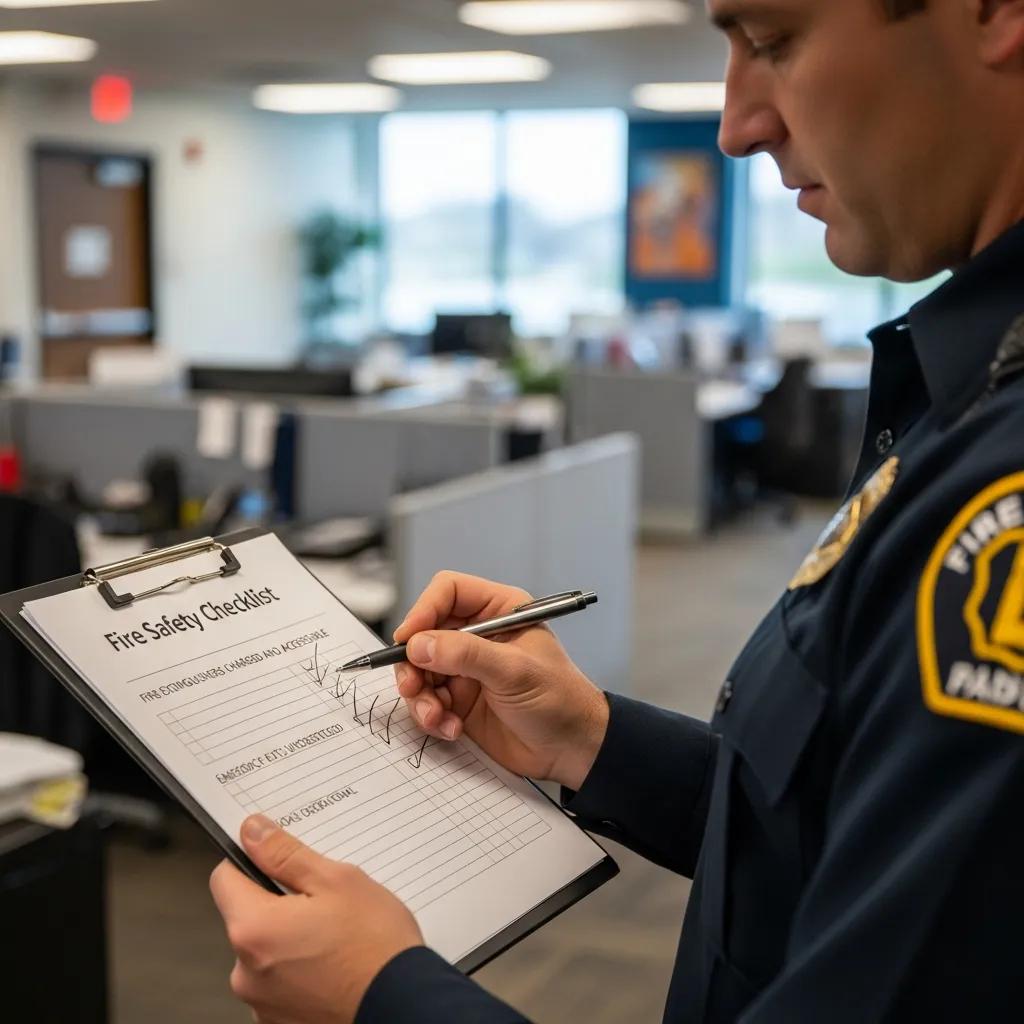
A robust inspection checklist makes sure every life-safety system is working and documented. Regular checks catch small faults before they become compliance failures or safety hazards.
Which Fire Safety Systems Are Inspected During Commercial Inspections?
Inspectors typically review fire alarm systems, sprinkler systems, emergency lighting, portable fire extinguishers and escape routes. Each system has a role in detection, notification or suppression — and if one element fails it can compromise the whole safety strategy. Routine inspections pinpoint those weak links.
New inspection tools increasingly use digital models to map and track critical systems, improving accuracy and traceability.
BIM & VR for Commercial Building Fire Safety Inspections
In this research, any information that is relevant to fire safety inspection is incorporated into the BIM model, including the fire protection system, fire alarm system, emergency exit, and fire fighting equipment. This information can be used to generate a virtual reality environment for fire safety inspection.
Taking advantage of collective intelligence and BIM-based virtual reality in fire safety inspection for commercial and public buildings, 2019
How Often Should Fire Alarm and Sprinkler Systems Be Maintained?
Regular maintenance is essential. ADCD guidance recommends testing fire alarm systems at least twice a year and servicing sprinkler systems every six months. Keeping to these intervals supports reliability and keeps documentation current for inspections.
How to Prepare for a Fire Safety Inspection in Abu Dhabi?
Good preparation reduces surprises during inspection. Assemble the right records, perform internal checks and fix obvious faults before the ADCD arrives.
What Documentation and Certificates Are Required for ADCD Compliance?
Have these documents available: current fire safety certificates, maintenance logs, test reports for alarms and sprinklers, and any compliance paperwork for installed systems. Clear, dated records show you’ve taken the necessary steps to meet regulatory requirements.
What Are Common Fire Safety Violations to Avoid During Inspections?
Common issues include blocked or poorly marked emergency exits, non-working alarms, expired or missing certificates, and incorrect placement or missing fire extinguishers. Run regular self-audits so you can correct these problems before an official inspection.
Why Is Annual Fire Safety Maintenance Essential for Commercial Buildings?
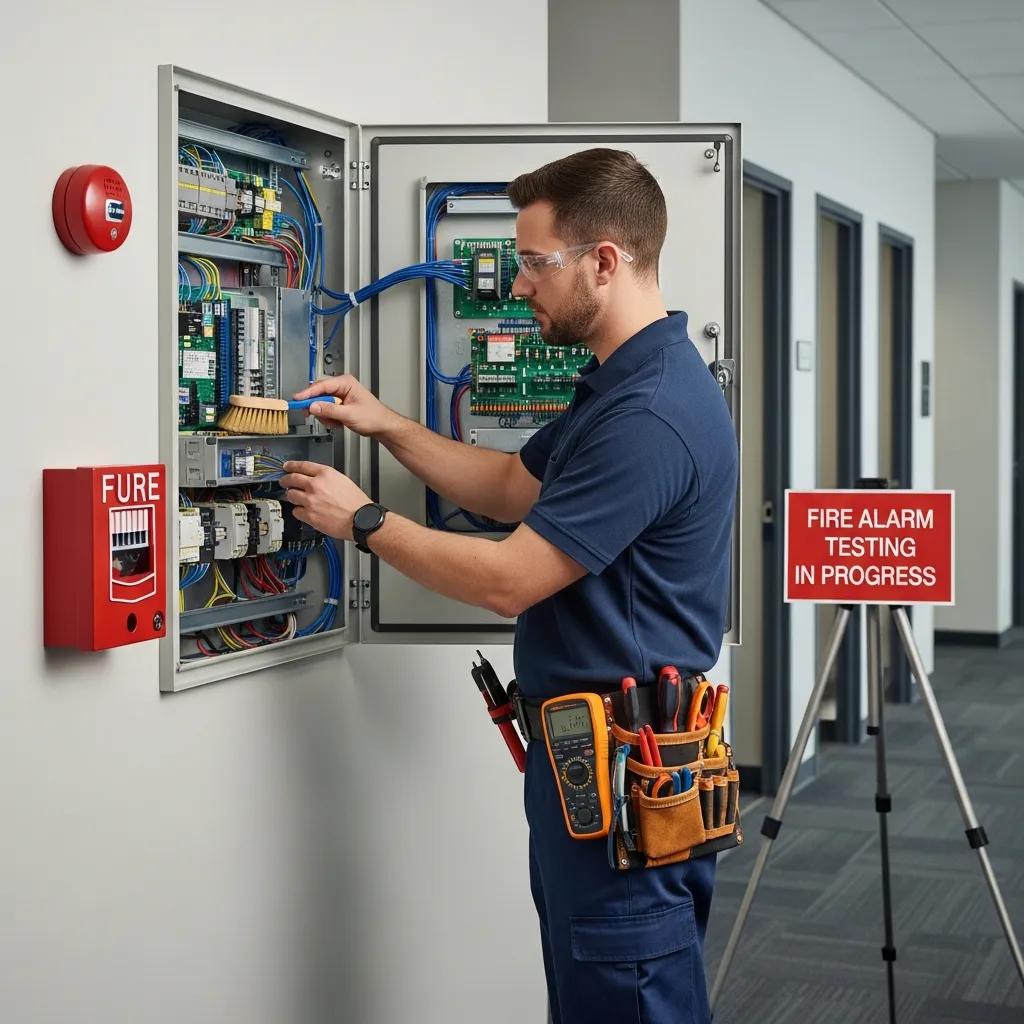
Annual maintenance keeps systems reliable and ensures your building meets the UAE Fire and Life Safety Code. Regular servicing finds wear and faults early, so systems will perform when they’re needed most.
How Does Annual Maintenance Ensure Compliance with UAE Fire and Life Safety Code?
Scheduled maintenance documents that systems are tested and repaired to the standards in the UAE Fire and Life Safety Code of Practice. This proactive approach reduces non-compliance risk and improves system performance in an emergency.
What Are the Benefits of Partnering with Certified Fire Safety Providers Like Amples?
Working with certified providers such as Amples Fire & Safety LLC gives you technical expertise, compliant maintenance routines and help with fitness certificates and contractual requirements. That removes administrative burden and helps keep your property inspection-ready.
What Are the Fire Alarm System Maintenance Standards for Commercial Properties?
Fire alarms are the building’s first warning system — maintaining them to recognised standards is non-negotiable for occupant safety.
What Are NFPA 72 Requirements for Fire Alarm System Testing and Inspection?
NFPA 72 specifies regular testing, verification of signal operation, and complete records of all tests and remedial work. Following these requirements helps validate that alarm systems will function reliably during an incident.
How Often Should Batteries and Detectors Be Replaced in Fire Alarm Systems?
Batteries should be replaced at least once a year. Smoke detectors should be tested monthly and replaced every ten years. These intervals preserve detector sensitivity and system readiness.
How to Obtain and Renew the Annual Fire Safety Certificate in Abu Dhabi?
Securing and renewing your annual fire safety (fitness) certificate proves compliance and keeps your business legally able to operate.
What Is the Process for Securing an ADCD Fitness Certificate?
To obtain an ADCD fitness certificate, submit the required documents — maintenance records and proof of compliance — then schedule the ADCD inspection. If the inspection confirms compliance, the ADCD will issue the certificate.
How Can Businesses Ensure Timely Renewal of Fire Safety Certificates?
Keep a renewal calendar, set reminders for inspections and ensure all maintenance and test reports are up to date. Proactive scheduling prevents lapses and keeps your documentation ready for audit.
| Fire Safety System | Inspection Frequency | Maintenance Requirements |
|---|---|---|
| Fire Alarm System | Twice Annually | Test functionality, replace batteries |
| Fire Sprinkler System | Semi-Annually | Inspect for blockages, test pressure |
| Emergency Lighting | Annually | Test operation, replace bulbs as needed |
Businesses in Abu Dhabi should make fire safety inspections and maintenance an operational priority. With the right processes and partners in place, you can meet ADCD requirements and provide a safer environment for employees and customers.
Frequently Asked Questions
What should businesses do if they fail a fire safety inspection?
If you fail an inspection, act quickly. Review the inspection report to identify the violations, create a corrective action plan, and complete repairs or replacements as required — for example, restoring alarms, clearing exits or updating equipment. Once corrections are made, request a re-inspection to confirm compliance with Abu Dhabi Civil Defence requirements.
Are there specific training requirements for employees regarding fire safety?
Yes. Employers must provide fire safety training covering evacuation procedures, use of fire extinguishers, and how to respond during a fire. Regular drills and documented training sessions demonstrate preparedness and support compliance during inspections.
How can technology improve fire safety inspections?
Technology like BIM, VR and inspection management software improves visibility of life-safety systems, helps identify issues faster and simplifies record-keeping. These tools enable more accurate inspections, better planning and easier tracking of maintenance schedules.
What role do fire safety audits play in compliance?
Fire safety audits are a proactive way to ensure ongoing compliance. Audits review systems, procedures and documentation to find gaps before official inspections. Regular audits reduce risk, drive continuous improvement and build a stronger safety culture.
What are the consequences of not having a fire safety certificate?
Operating without a valid fire safety certificate can lead to significant fines, legal action and potential closure of business operations. Beyond penalties, it places staff and customers at greater risk. Maintain your certificate to protect people and your business.
How can businesses stay updated on changes to fire safety regulations?
Stay informed by checking the Abu Dhabi Civil Defence website, subscribing to industry newsletters, and attending local seminars or workshops. Working with certified fire safety providers also ensures you receive expert guidance on regulatory updates and best practices.
Conclusion
Meeting fire safety inspection requirements is essential for any business operating in Abu Dhabi. Regular inspections, timely maintenance and clear records reduce risk, improve reliability and keep you compliant with ADCD rules. Prioritise fire safety, partner with experienced providers and stay proactive — it’s the best way to protect people and your business. Explore our resources to get started.