
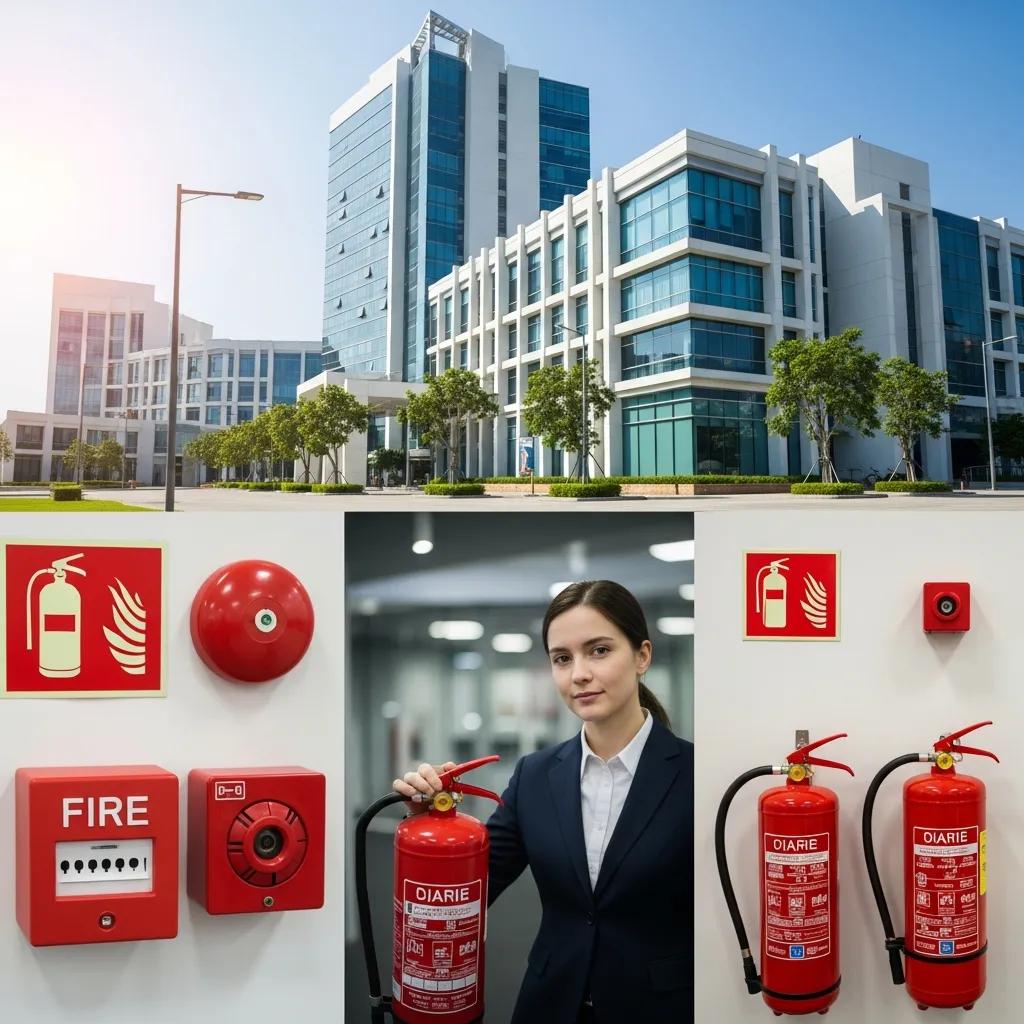
Fire Code Inspections vs Regular Maintenance: Understanding Key Differences for Effective Fire Safety Compliance
Fire safety sits at the core of responsible building management — it protects people, property and business continuity. Knowing how fire code inspections differ from routine maintenance helps you stay compliant, avoid penalties, and keep systems ready when they matter most. This guide explains each process, their regulatory role, how often they occur, and why combining them delivers the best protection. We also cover Abu Dhabi Civil Defence’s role, the risks of neglect, and how integrated services can simplify compliance for your organization.
What Are Fire Code Inspections and Their Regulatory Importance?
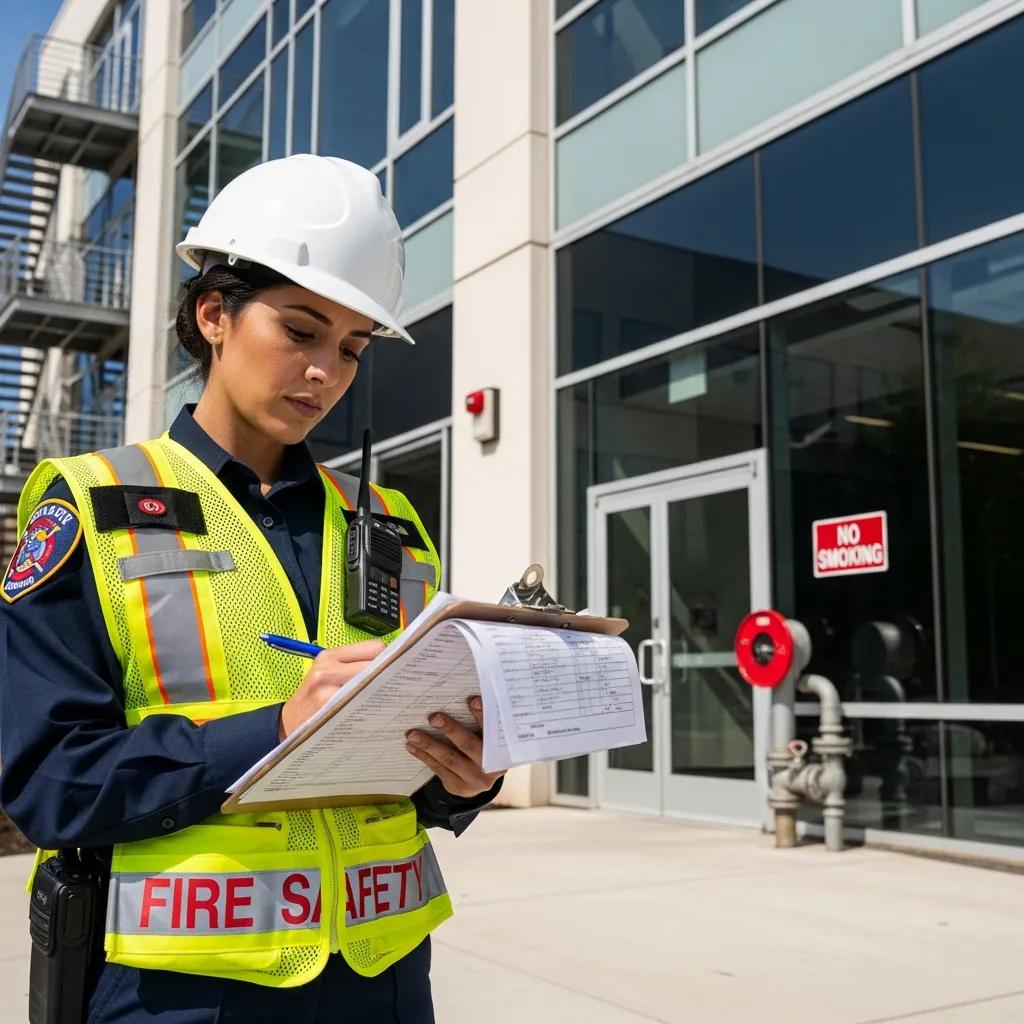
Fire code inspections are formal checks designed to confirm a building meets applicable fire safety regulations. Inspectors look for hazards, verify that systems meet the code, and confirm that required documentation is in place. Authorities such as the Abu Dhabi Civil Defence mandate these inspections to protect the public and reduce fire risk. Beyond safety, passing inspections protects you from legal penalties and insurance complications.
Who Conducts Fire Code Inspections and How Often Are They Required?
Inspections are usually carried out by certified fire inspectors from the relevant authority, local fire departments, or approved private firms. Frequency depends on local rules, building type and past findings — commercial sites are commonly inspected annually, while other occupancies may follow different schedules. Regular, timely inspections make it easier to spot and fix compliance gaps before they become serious.
What Outcomes and Certifications Result from Fire Code Inspections?
A completed inspection often results in a compliance certificate or clearance document showing the building meets required standards. These certificates matter for legal compliance and for insurance. If a building fails an inspection, consequences can range from remediation orders and fines to temporary closure until issues are resolved. Property owners and managers need to understand these stakes and act promptly on any findings.
What Constitutes Regular Fire System Maintenance and Its Operational Benefits?
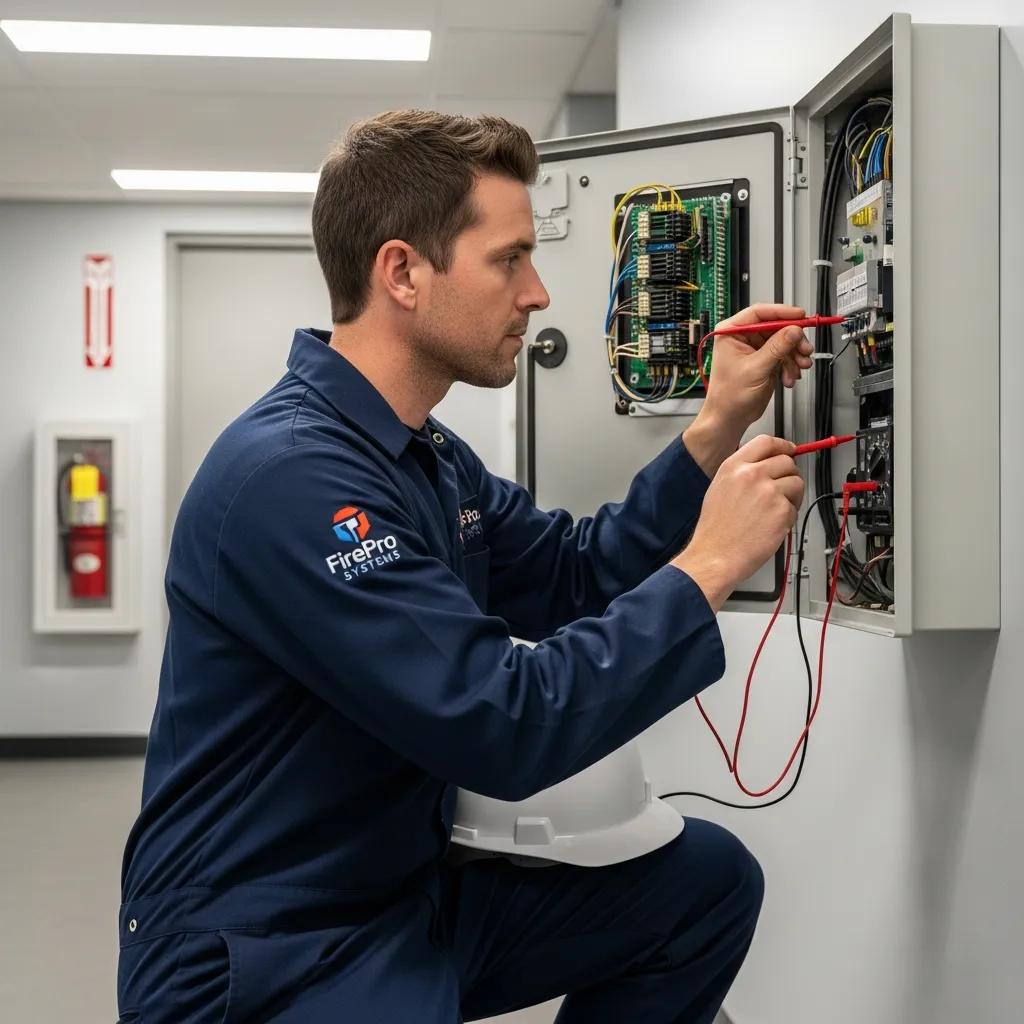
Regular maintenance covers the day‑to‑day and scheduled work that keeps fire safety equipment working reliably — think routine checks, functional tests, cleaning and minor repairs on alarms, extinguishers and sprinklers. The operational benefits are clear: fewer unexpected failures, longer equipment life, and greater confidence that systems will operate correctly in an emergency. Investing in maintenance strengthens your overall fire safety posture and reduces long‑term costs.
In short: maintenance makes sure equipment performs when it counts, minimizing potential damage and disruption.
Purpose of Fire Safety Equipment Inspection & Maintenance
The primary aim of inspecting and maintaining fire safety equipment is to keep it ready and effective during a fire, thereby limiting damage. Many current inspection and maintenance routines are performed manually, highlighting opportunities to improve efficiency and accuracy.
BIM-based augmented reality inspection and maintenance of fire safety equipment, 2020
Which Tasks Are Included in Regular Maintenance of Fire Protection Systems?
- Routine Inspections : Verify alarms, extinguishers, detectors and other devices are intact and functioning.
- Testing Procedures : Run functional tests on sprinkler systems, emergency lighting and alarm panels.
- Cleaning and Repairs : Remove obstructions, clean components and address wear or minor faults promptly.
These routine activities catch faults early, reduce the chance of failure, and keep fire safety systems ready for use.
Following recognised industry standards and local codes is essential, especially for critical systems like fire alarms.
Fire Alarm System Inspection & Maintenance Compliance
Services should follow the National Fire Protection Association (NFPA) standards and any applicable federal, state and local codes. Contractors commonly invoice monthly for recurring inspection, testing and maintenance work.
Full Inspection, Testing, Maintenance, Repair, and Installation Services of Fire Alarm Systems at Various, 2016
How Does Regular Maintenance Enhance Fire System Reliability and Longevity?
Consistent maintenance reduces unexpected breakdowns and extends equipment life by resolving minor issues before they escalate. Data and industry guidance show that properly maintained systems are more dependable and cost‑effective over time. Regular servicing also lowers the need for emergency repairs and helps maintain compliance with safety standards.
How Do Fire Code Inspections Differ from Regular Maintenance?
Inspections and maintenance serve complementary but distinct roles: inspections verify code compliance and legal readiness, while maintenance ensures day‑to‑day operational reliability. Both are necessary for a robust fire safety program.
What Are the Key Differences in Objectives, Scope, and Frequency?
| Aspect | Fire Code Inspections | Regular Maintenance |
|---|---|---|
| Objective | Confirm compliance with fire safety codes and regulations | Keep systems operational and ready for emergencies |
| نِطَاق | Broad review of safety systems, documentation and code conformance | Routine checks, testing, servicing and repairs focused on performance |
| Frequency | Often annual or as mandated by authorities | Scheduled at regular intervals — monthly, quarterly or as required |
Why Is Understanding These Differences Crucial for Commercial Fire Code Compliance?
Confusing inspections with maintenance can leave you exposed to compliance failures, liability and safety gaps. Knowing each role helps property owners plan budgets, scheduling and responsibilities so systems remain both legal and dependable.
How Does Abu Dhabi Civil Defence Influence Fire Safety Inspections and Maintenance?
The Abu Dhabi Civil Defence (ADCD) sets the regional framework for inspections, qualifications and minimum standards. Their rules aim to protect occupants and property by ensuring buildings meet consistent fire safety benchmarks.
Regulatory oversight matters — particularly in regions with documented fire incidents and ongoing efforts to strengthen prevention and response.
UAE Fire Safety Regulations & Civil Defence Framework
Fire safety regulations require buildings to meet defined standards to protect occupants and assets. The Emirate of Abu Dhabi recorded 348 fire incidents in 2022, underscoring the need for robust prevention and response frameworks that civil defence authorities continue to develop.
The fire safety framework for the buildings in the Emirate of Sharjah,
UAE, M Omar, 2025
What Are the Specific ADCD Regulations Affecting Fire Code Inspections?
ADCD rules specify inspector qualifications, inspection frequency and the technical standards that must be met. These regulations apply across building types and play a key role in keeping occupants safe and helping businesses avoid enforcement actions.
How Does Amples Fire & Safety LLC Ensure Compliance with ADCD Requirements?
At Amples Fire & Safety LLC we deliver comprehensive annual maintenance contracts (AMC) that align with ADCD expectations. Our teams follow local regulations and industry best practices so inspections and maintenance meet the standards authorities require — helping you remain compliant and operational.
What Risks Arise from Neglecting Fire Code Inspections or Regular Maintenance?
Skipping inspections or cutting maintenance corners creates real risk: safety gaps, legal exposure and higher long‑term costs. Both processes are essential to protect people and sustain operations.
What Are the Potential Safety Hazards and Financial Penalties?
Neglect increases the likelihood of fire incidents and can weaken emergency response readiness. From a regulatory perspective, non‑compliance can trigger fines, mandated remedial work or even temporary closure — all of which carry financial and reputational costs.
How Can Neglect Impact Insurance and Business Continuity?
Insurers may limit or deny claims if a property is found non‑compliant or poorly maintained. Beyond insurance, a fire event can halt operations and damage your brand — making prevention through inspection and maintenance a crucial business continuity strategy.
How Can Businesses Benefit from Integrated Fire Code Inspections and Regular Maintenance Services?
Combining inspections with routine maintenance creates a single, coherent approach to compliance and readiness. Integrated services reduce overlap, speed up remediation, and give building owners a clearer picture of risk and performance.
What Solutions Does Amples Fire & Safety LLC Offer for Comprehensive Fire Safety?
- Annual Maintenance Contracts : Scheduled inspections and recurring maintenance to keep systems compliant and reliable.
- Compliance Support : Guidance and documentation to meet ADCD and other regulatory requirements.
- Emergency Response Planning : Practical plans and training to strengthen readiness during an incident.
How Do Combined Services Support Successful Fire Safety Compliance and System Performance?
When inspections and maintenance are coordinated, issues are found and fixed faster, documentation stays current, and systems perform more consistently. Organisations that adopt this approach reduce downtime, lower risk and gain confidence that their fire protection measures will work when needed.
الأسئلة الشائعة
What are the consequences of failing a fire code inspection?
Failing an inspection can lead to fines, required corrective work or temporary closure until issues are resolved. It can also affect insurance outcomes. Addressing deficiencies quickly is essential to restore compliance and reduce further liability.
How can businesses prepare for a fire code inspection?
Start with a self‑check of your safety systems and review prior inspection reports to identify recurring issues. Train staff on evacuation and safety procedures, keep exits clear, and consider a pre‑inspection by a qualified professional to catch and fix items before the official inspection.
What role does employee training play in fire safety compliance?
Employee training is a fundamental part of compliance. Well‑trained staff recognise hazards, follow emergency procedures and can operate basic safety equipment when required. Regular drills and refreshers keep skills sharp and reinforce a culture of safety.
Are there specific fire safety regulations for different types of buildings?
Yes. Regulations vary by building type, occupancy and use. Commercial properties often have stricter requirements than residential buildings. Owners should confirm the rules that apply to their building class and plan inspections and maintenance accordingly.
What should businesses do if they discover a fire safety violation?
Act immediately: assess the violation’s severity, take corrective action (repair or replace equipment, update procedures or train staff), and document what you did. Keeping records helps demonstrate due diligence at the next inspection. When in doubt, consult a fire safety professional.
How often should fire safety equipment be tested and maintained?
Routine visual checks for items like extinguishers and alarms are typically monthly, while more thorough testing (sprinklers, emergency lighting, full alarm system tests) is usually annual. Follow local regulations and NFPA guidance, and adjust frequencies based on occupancy and risk profile.
خاتمة
Knowing how inspections and maintenance work together gives you the clarity to protect people, property and operations. By combining both — and working with experienced providers — you reduce risk, avoid penalties and keep systems ready when they matter most. Take the next step toward reliable, compliant fire safety with our tailored services.