

How to Ensure Fire System Compliance at Work — Commercial Fire Safety and Maintenance in Abu Dhabi
Keeping your workplace fire systems compliant protects people, property and your business continuity. This guide lays out the regulations, maintenance routines and risk-assessment steps commercial facilities in Abu Dhabi need. You’ll find how to secure ADCD approvals, maintain systems correctly, run effective risk assessments and understand the penalties for falling short. Use these practical steps to reduce risk and stay on the right side of the law.
Which fire safety rules apply to businesses in Abu Dhabi?
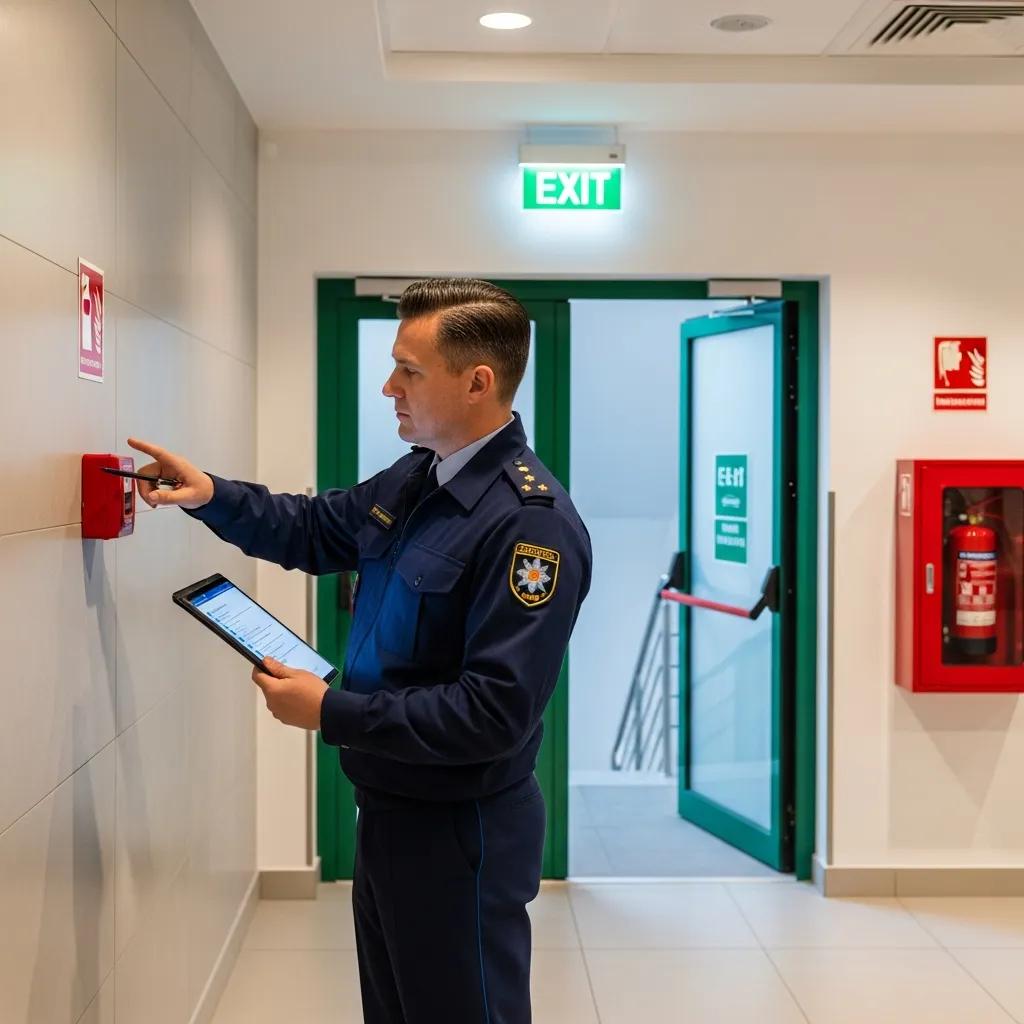
Abu Dhabi’s fire safety framework exists to reduce the risk of fire and protect lives and assets. The UAE Fire and Life Safety Code of Practice sets the technical and procedural requirements for commercial buildings. Meeting these standards is both a legal obligation and a core part of running a safe facility.
What the UAE Fire and Life Safety Code expects from workplaces
The Code lays out several non-negotiable requirements for commercial premises, including:
- Installation of Fire Alarms: Every commercial property must have a functioning fire alarm system that meets specified performance and installation standards.
- Emergency Exits: Buildings must provide clearly signed, accessible and unobstructed emergency exits for safe evacuation.
- Firefighting Equipment: Adequate extinguishers, hoses and related equipment must be installed and maintained on a regular schedule.
These measures ensure businesses are better prepared to detect and respond to fire, reducing harm to people and assets.
How Abu Dhabi Civil Defence enforces fire safety compliance
The Abu Dhabi Civil Defence (ADCD) enforces fire safety through inspections and regulatory checks. Common enforcement actions include:
- تردد التفتيش: ADCD conducts periodic inspections — typically annual, or more often where needed — to verify compliance with the Code.
- Common Violations: Typical issues spotted include blocked or insufficient exits, faulty alarm systems and lapses in equipment maintenance.
- عواقب عدم الامتثال: Violations can lead to fines, temporary closures or legal action until required corrections are made.
Knowing how ADCD enforces the rules helps businesses prioritise corrective action and avoid costly interruptions.
How to obtain and keep Abu Dhabi Civil Defence approvals for fire systems
Securing and maintaining ADCD approvals involves a clear set of steps and accurate documentation. Staying organised makes the process smoother and keeps systems compliant year-round.
Step-by-step: Getting an ADCD Fire Safety Certificate
The approval process generally follows these stages:
- Initial Application: Submit the required application with building drawings and technical specifications for the fire systems.
- Review Process: ADCD reviews the submission against the UAE Fire and Life Safety Code and may request clarifications or revisions.
- Final Approval Steps: Once the review is successful and any corrections are made, ADCD issues the Fire Safety Certificate, authorising lawful operation.
Following these steps ensures fire systems meet the required standards before the facility opens or continues operation.
Documentation needed for ADCD annual maintenance contract approval
To obtain ADCD approval for an annual maintenance contract, prepare the following documents:
- سجلات الصيانة: Historical logs showing previous inspections, tests and corrective work on fire systems.
- Compliance Certificates: Certificates that confirm equipment meets regulatory and manufacturer standards.
- Service Agreements: Signed contracts with certified service providers responsible for ongoing maintenance.
Complete and accurate documentation demonstrates compliance and speeds up approval.
What maintenance practices are essential for fire system compliance?
Consistent maintenance keeps systems reliable and helps you pass inspections. Adopt clear inspection schedules, use certified technicians and keep thorough records.
How often should fire alarm systems be inspected and tested?
Fire alarm systems should be checked regularly to ensure they’ll work when needed. Best practices include:
- Monthly Testing: Run basic monthly tests to confirm alarms and detection circuits are operational.
- Annual Inspections: Arrange a full, certified inspection once a year to assess condition and compliance.
- التوثيق: Keep detailed logs of every test and inspection for audit and compliance purposes.
Routine checks identify faults early and reduce the risk of system failure during an emergency.
Maintenance requirements for firefighting equipment and sprinkler systems
Firefighting and suppression systems need targeted care to stay effective:
- Routine Checks: Carry out regular visual and functional checks on extinguishers, hoses and sprinkler components.
- Professional Servicing: Use certified technicians for periodic servicing and any repairs to preserve compliance.
- Record Keeping: Maintain accurate service records so you can demonstrate compliance during inspections.
Proper upkeep ensures firefighting systems perform reliably in an incident.
How to carry out workplace fire risk assessments and prepare evacuation plans
Risk assessments and well-rehearsed evacuation plans are the foundation of workplace fire safety. They clarify hazards, controls and how people should respond in an emergency.
Steps for a comprehensive fire risk assessment
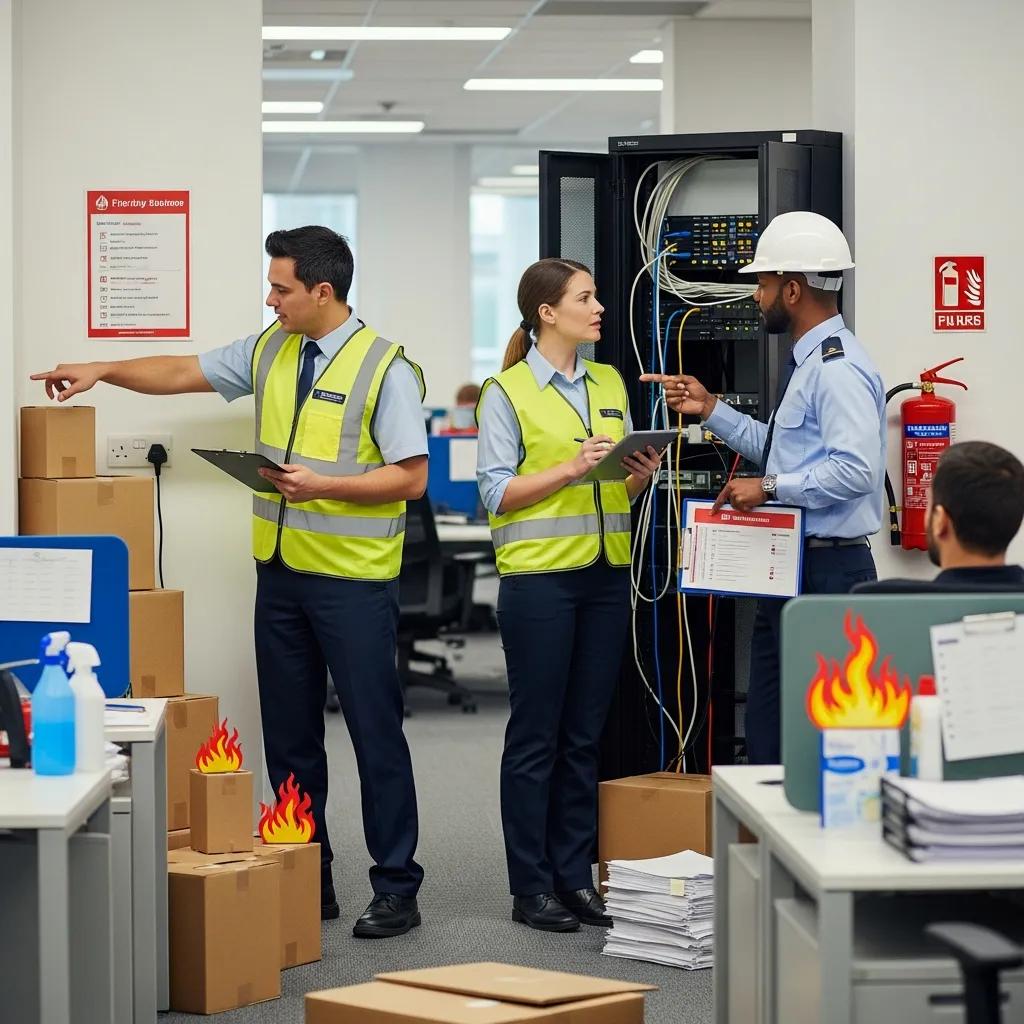
A thorough fire risk assessment typically follows these steps:
- Identifying Hazards: Survey the workplace for ignition sources, flammable materials and electrical risks.
- Evaluating Risks: Assess how likely each hazard is to cause harm and estimate potential impact on people and property.
- Implementing Control Measures: Introduce measures to reduce risk — for example improved detection, housekeeping controls and staff training.
This structured approach helps you address risks proactively and strengthen workplace safety.
How to develop effective emergency evacuation procedures for staff
Good evacuation procedures are clear, practised and assigned:
- Clear Communication: Make sure every employee knows escape routes, assembly points and how alarms sound.
- Regular Drills: Run realistic drills to test procedures and iron out any weaknesses.
- Designated Roles: Assign trained staff to specific responsibilities — marshals, first-aiders and equipment shutdown roles — to keep evacuations orderly.
Well-drilled teams reduce confusion and improve safety during an actual emergency.
What are the penalties and risks of not following fire safety regulations?
Non-compliance exposes businesses to legal, financial and safety consequences. Understanding these risks helps you prioritise corrective action.
What fines and operational consequences can businesses face?
Penalties for failing to meet fire safety requirements can be significant:
- Fines: Penalties can range from AED 5,000 to AED 50,000 depending on the breach and its seriousness.
- Operational Shutdowns: Authorities may close the premises temporarily until defects are fixed.
- Legal Action: Persistent non-compliance can lead to lawsuits or criminal proceedings in severe cases.
These outcomes underscore the importance of maintaining up-to-date fire safety systems and records.
How non-compliance affects workplace safety and business continuity
Failing to comply increases exposure to harm and disrupts operations:
- Increased Risk of Fire Incidents: Poor maintenance and controls raise the likelihood of fires starting and spreading.
- Impact on Employee Safety: Injuries or worse can occur, damaging morale and trust.
- Potential for Business Shutdowns: Regulatory action can interrupt operations and cause financial loss.
Prioritising compliance protects people, reputation and the bottom line.
How Amples Fire & Safety LLC can support your fire system compliance needs
Amples provides practical, local support to help businesses meet ADCD standards and keep systems reliable. We combine regulatory know-how with proactive maintenance plans so you can focus on running your business.
What sets Amples apart for annual fire system maintenance?
Our value comes from experience and responsiveness:
- 24/7 Service Availability: We offer round‑the‑clock support to respond quickly to urgent safety issues.
- Expertise in ADCD Compliance: Our team understands ADCD requirements and prepares systems and documentation to meet them.
- Cost-Effective Solutions: We deliver competitive pricing for our annual maintenance contracts, helping organisations control costs while staying compliant.
These strengths make Amples a practical partner for maintaining safe, compliant premises.
How Amples supports ADCD approvals and ongoing compliance
We guide clients through approvals and keep systems inspection-ready:
- Guidance Through the Approval Process: We help you prepare submissions and respond to ADCD queries to speed approvals.
- Documentation Support: Our team ensures maintenance logs, certificates and service agreements are complete and organised.
- Ongoing Compliance Checks: Regular compliance audits and preventive maintenance keep systems up to standard throughout the year.
Partnering with Amples simplifies compliance so you can operate with confidence.
الأسئلة الشائعة
What should businesses do if they fail a fire safety inspection?
If you fail an inspection, act quickly. Review the inspection report to identify each violation, then create a corrective action plan — this may include repairs, equipment upgrades, extra staff training or improved procedures. Complete the corrective work, update your records and request a re-inspection from the Abu Dhabi Civil Defence to confirm compliance and avoid further penalties.
How can employees be trained on fire safety procedures?
Effective employee training combines instruction with practice. Run regular sessions that cover prevention, evacuation routes and safe use of firefighting equipment. Use hands-on drills and simulations to improve retention, and provide simple reference materials like manuals and signage. Schedule refresher courses so everyone stays confident and prepared.
What role do fire safety audits play in compliance?
Fire safety audits are a proactive tool to find gaps before regulators do. Audits examine systems, records and procedures to identify weaknesses or non-compliance. By correcting issues early, audits reduce risk, help you meet current regulations and lower liability in the event of an incident.
What are the common misconceptions about fire safety compliance?
Common myths include thinking compliance is a one-time task or that installing equipment is enough. In reality, compliance is ongoing: systems need maintenance, records must be kept and staff must be trained. Another misconception is that only management is responsible — everyone has a role in keeping the workplace safe.
How can technology improve fire safety compliance?
Technology can make compliance easier and more reliable. Automated alarm and monitoring systems provide real‑time alerts, while digital tools streamline record-keeping for inspections and maintenance. Training apps and e-learning help scale staff education. Used correctly, technology reduces manual effort and improves response times.
What should be included in a fire safety policy for businesses?
A solid fire safety policy should define roles and responsibilities, outline prevention measures, describe evacuation procedures and detail the use of firefighting equipment. It should also specify training frequency, drill schedules and inspection/maintenance routines. Clear documentation and assigned ownership make the policy actionable and auditable.
خاتمة
Fire system compliance is essential to protect people, property and business continuity. Following the UAE Fire and Life Safety Code, keeping accurate records and working with experienced partners like Amples Fire & Safety LLC reduces risk and simplifies inspections. If you’re ready to strengthen your fire safety programme, explore our services and let us help you stay compliant and prepared.