

How to Run Effective Fire Safety Inspections in Abu Dhabi and Stay ADCD-Compliant
Reliable fire safety inspections are the backbone of legal compliance and occupant protection in Abu Dhabi. This practical guide breaks down what ADCD inspectors look for, how often each system should be tested, and what records you need to satisfy an audit. You’ll get per‑system inspection steps, an ADCD‑focused checklist, and clear guidance on how Annual Maintenance Contracts (AMCs) help maintain continuous compliance and speed up fitness‑certificate approval. We also map mandatory systems, outline likely enforcement outcomes for non‑compliance, and set out documentation best practices to simplify ADCD reviews. For property managers who want a local partner, Amples Fire & Safety LLC provides annual maintenance, ADCD support, 24/7 response and immediate rectification when defects occur. The sections below cover regulations, inspection cadences, per‑system checks, pre‑inspection preparation, AMC benefits, and how a qualified provider can help you secure and keep Civil Defence fitness certificates.
What Are the Key Fire Safety Regulations and ADCD Requirements in Abu Dhabi?
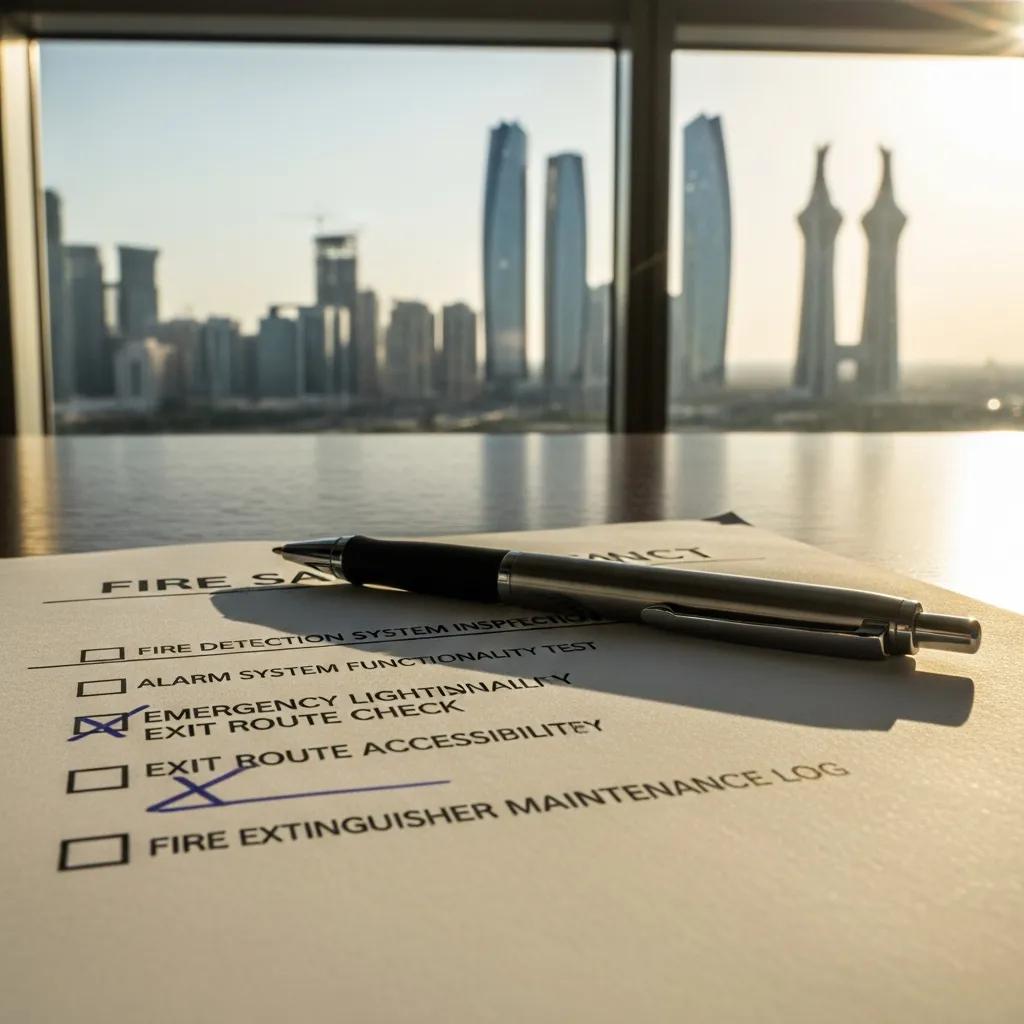
Fire safety in Abu Dhabi follows the UAE Fire and Life Safety Code issued by UAE Civil Defence and is enforced locally by Abu Dhabi Civil Defence (ADCD). Together they require buildings to provide reliable detection, suppression, safe egress and complete documentation to protect life and property. Commercial properties must keep fire alarm systems, firefighting equipment, emergency lighting and passive protection in working order and retain accurate maintenance records to prove compliance. ADCD inspections concentrate on system performance, maintenance history and valid certification; failing to meet these standards can lead to notices, re‑inspections or fines. Knowing these expectations helps facilities teams prioritise checks and prepare ITM (inspection, testing and maintenance) records before an audit. Below are the common mandatory items ADCD reviewers typically expect to see.
- Fire detection and alarm systems must be fully functional, zone‑mapped and supported by recent recorded functional tests.
- Fire suppression and firefighting systems (sprinklers, pumps, extinguishers) must meet design performance with pressure/flow test records available.
- Emergency lighting and exit signage must operate on battery backup and have documented test dates.
- Passive fire protection (fire doors, dampers, compartmentation) must be intact and recorded in maintenance logs.
- Current maintenance records, ITM reports and previous inspection certificates should be accessible for review.
What Does the UAE Fire and Life Safety Code Require of Businesses?
The UAE Fire and Life Safety Code sets a national standard: buildings must implement detection, suppression and egress measures and keep records proving systems are tested and maintained. It requires properly designed and maintained fire alarm systems, automatic suppression where applicable, and intact passive protection to ensure early detection and safe evacuation. Facilities must carry out routine functional tests, calibrations and maintenance according to the code and accepted technical standards, documenting dates, technician details and corrective actions. ADCD auditors rely on these records to verify ongoing care and system effectiveness, so aligning inspection cycles with code requirements keeps checks focused on what inspectors will review.
The UAE Fire and Life Safety Code, together with local ADCD enforcement, is the foundation of fire safety compliance—prioritise comprehensive system checks and meticulous record keeping.
Measuring Fire Safety Management System Effectiveness in Multistory Buildings
Fire safety for multistory buildings is a global concern. This paper describes a fire safety audit designed for a public multistory building that inspects all components of the fire safety system against relevant NFPA standards and the UAE Fire and Life Safety Code. The audit identifies safety gaps and recommends corrective actions to strengthen the building’s fire safety management system, reducing risk to occupants and property.
MEASURING EFFECTIVENESS OF SAFETY MANAGEMENT SYSTEM OF MULTISTORY BUILDING: FIRE SAFETY AUDIT., K Ali, 2023
How Does Abu Dhabi Civil Defence Enforce Fire Safety Inspections?
ADCD enforces fire safety through scheduled and surprise inspections, pre‑occupancy approvals and audit visits that check both system function and documentation. Inspectors review ITM records, perform functional tests on alarms and suppression systems, and inspect passive protection; unresolved defects may trigger notices, fines, temporary closures or deadlines for corrective action. ADCD prefers clear, traceable maintenance histories and evidence of timely repairs—facilities with organised records and prompt rectification usually face fewer re‑inspections and obtain fitness certificates more smoothly.
How Often Should Businesses Conduct Fire Safety Inspections in Abu Dhabi?
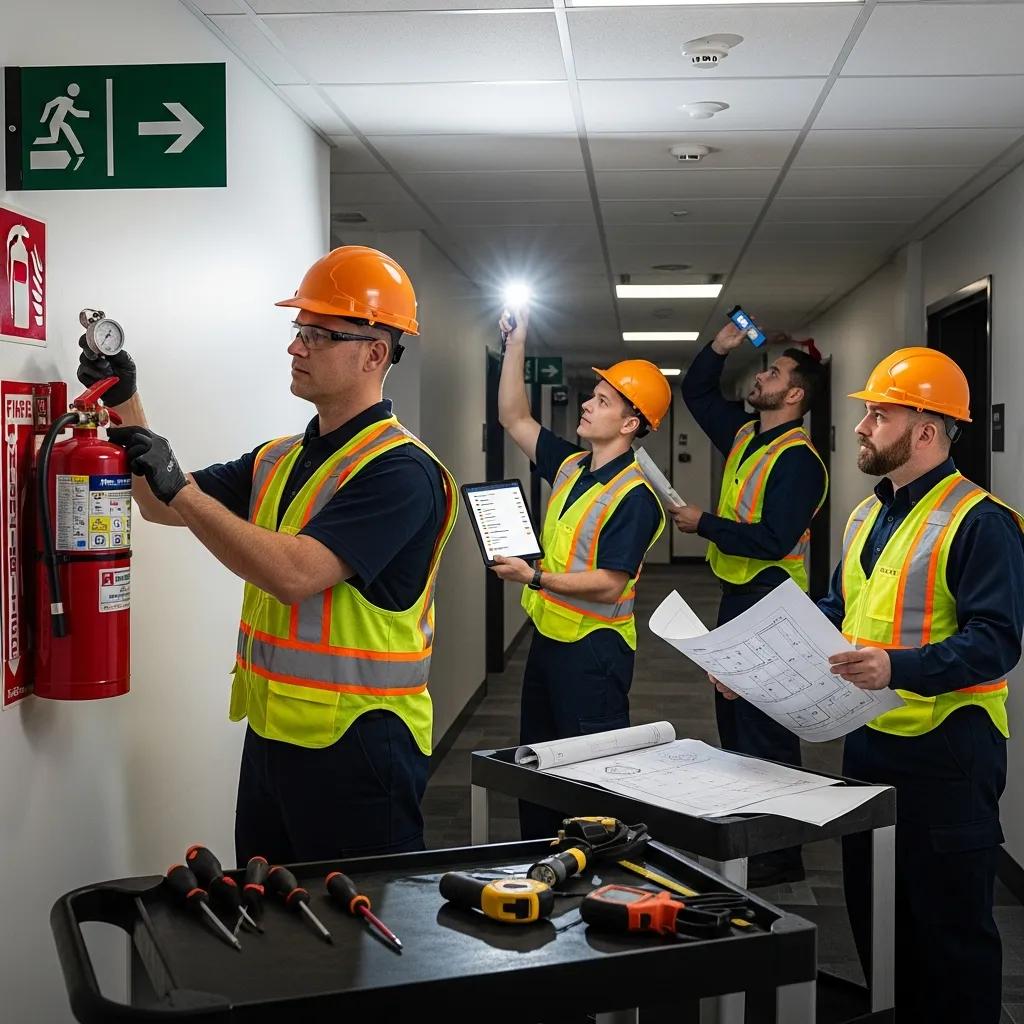
Adopt a layered inspection schedule: daily or weekly visual checks, monthly or quarterly functional tests, and a comprehensive annual inspection aligned with ADCD expectations. Daily checks catch obvious issues early; periodic tests (battery checks, pump run tests, extinguisher inspections) verify readiness; annual inspections should include full functional tests, detector sensitivity checks, flow/pressure verification and a complete ITM report suitable for ADCD review. A clear frequency schedule helps facilities managers plan resources and shows ADCD a proactive compliance approach.
Introductory table: recommended inspection intervals and ADCD notes
| نظام | Recommended Frequency | ADCD Note/Requirement |
|---|---|---|
| Fire alarm system (control panel, detectors, zones) | Monthly visual checks; annual full functional test | ADCD expects documented functional tests and accurate zone mapping |
| Sprinkler systems & fire pumps | Weekly visual checks; quarterly pump runs; annual flow/pressure test | Pump performance records and valve checks are required |
| طفايات الحريق | Monthly visual checks; annual service/pressure test | Extinguisher certificates and tagging are preferred |
| Emergency lighting | Monthly functional checks; annual battery duration test | Battery runtime tests and clear signage should be recorded |
| Passive fire protection (doors, dampers) | Quarterly inspections; annual integrity test | Evidence of seals, closers and damper operation will be requested |
What Are the Mandatory Fire Safety Systems to Inspect Annually?
ADCD expects a full annual inspection of core life‑safety and suppression systems: fire alarm systems, sprinkler and hydrant networks, fire pumps, portable extinguishers, emergency lighting and passive protection elements. Annual checks go beyond visuals to include detector sensitivity testing, complete alarm simulations, pump flow and pressure verification and extinguisher hydrostatic or pressure tests where applicable. Annual reports should list the exact tests performed, results, any defects, and corrective actions with dates and technician names to create an auditable trail. Treat the annual inspection as a consolidated verification event so your documentation matches what ADCD prioritises.
What Are the Penalties for Missing or Failing Inspections?
Not performing required inspections or failing to fix identified defects can trigger ADCD enforcement: notices, fines or temporary closure, with penalties rising for severe non‑compliance. Beyond fines, businesses face operational disruption, delayed fitness certificates and greater scrutiny on future inspections; insurers may also treat lapses as increased risk. Prompt corrective work, documented repair evidence, and an established maintenance programme reduce exposure and help resolve issues faster with ADCD. Knowing the enforcement risks underscores the value of regular ITM and clear records.
What Is Included in a Comprehensive Fire Safety Inspection Service in Abu Dhabi?
A comprehensive inspection service covers active systems, passive protection and documentation, and delivers a consolidated inspection report, a defects log and a recommended rectification plan tailored to ADCD expectations. Inspections combine visual checks, functional testing, performance verification and records review; deliverables typically include a prioritized defects list, estimated rectification timelines and ITM documentation formatted for ADCD audits. Scope usually includes fire alarms, firefighting equipment, sprinkler systems, emergency lighting and passive protection, with optional follow‑up rectification and assistance with certification.
Below is a comparison table that matches each major system to typical inspection types and sample checks to expect during a professional inspection engagement.
| نظام | Inspection Type | Typical Checks |
|---|---|---|
| نظام إنذار الحريق | Visual, functional, sensitivity | Control panel status, detector sensitivity, zone annunciation, battery tests |
| Sprinkler & Pumps | Visual, flow/pressure, valve operation | Pipe leaks, sprinkler head damage, pump run test, valve positions |
| Portable Extinguishers | Visual, pressure, service | Cylinder pressure, hose/nozzle condition, tagging and expiry |
| الإضاءة الطارئة | Functional, battery duration | Lamp operation, battery runtime, exit signage clarity |
| Passive Protection | Visual, mechanical operation | Fire door seals, closers, fire damper movement, compartmentation integrity |
How Are Fire Alarm and Firefighting Equipment Inspected and Maintained?
Inspections combine electrical and mechanical tests to confirm detector sensitivity, alarm annunciation and suppression readiness. Technicians perform controlled detector tests, simulate alarm conditions, review control‑panel logs, and record battery and power supply performance. For firefighting systems, pump flow and pressure tests verify hydraulic performance while sprinkler heads and valves are checked for obstruction or corrosion; portable extinguishers receive pressure checks, seal inspections and servicing as needed. Record every activity with date, technician, device serial numbers and corrective actions to build an auditable ITM history. Linked records and test evidence streamline ADCD reviews and reduce repeat findings.
What Role Do Emergency Lighting and Passive Fire Protection Systems Play?
Emergency lighting and passive fire protection are critical to safe evacuation: they ensure visibility and preserve compartmentation. ADCD commonly scrutinises these systems because failures directly increase evacuation risk. Emergency lighting tests verify lamp operation, battery backup and runtime under load so exit routes remain lit for the required period. Passive protection checks confirm fire door seals, closers, dampers and wall penetrations are intact. Deficiencies often trigger immediate corrective requests because they materially affect occupant safety. Keeping clear records of tests and repairs demonstrates your commitment to resilient egress paths and supports fitness‑certificate assessments.
How Can Businesses Prepare for an ADCD Fire Safety Inspection?
Start by organising ITM records, running pre‑inspection functional tests and assigning a staff point person to accompany the inspector. A short pre‑inspection checklist reduces surprises: confirm recent functional tests, ensure maintenance logs are complete, run alarm and emergency‑lighting tests, and inspect passive protection. Make certificates and the evacuation plan easy to find; designate someone to answer technical questions and to guide the inspector. The table below lists key documents inspectors commonly request and offers practical tips for presenting them.
| غرض | Documentation Required | Example / Tip |
|---|---|---|
| ITM Records | Recent test dates, technician name, results | Keep entries dated, signed and include serial numbers |
| Previous Inspection Reports | ADCD or third‑party reports | Highlight closed defects and rectification dates |
| Equipment Certificates | Extinguisher/service, pump certificates | Store scanned copies with originals accessible |
| Installation Drawings | As‑built fire system layouts | Mark zones and device locations for quick reference |
| AMC Agreement | Maintenance scope and response SLA | Provide proof of 24/7 response capability if available |
What Is the Fire Safety Inspection Checklist for Commercial Buildings?
A practical pre‑inspection checklist covers operational tests, document review and site housekeeping so systems perform and records are accessible to ADCD auditors. Key items include confirming alarm panel normal/trouble indicators, ensuring sprinkler valves are open and tagged, testing emergency lighting battery runtime, checking extinguisher service tags and pressures, and verifying all fire doors close and latch correctly. Prepare a printed or digital folder with ITM logs, previous inspection reports and equipment certificates to shorten the inspection and demonstrate organised maintenance. Doing this before ADCD arrives typically reduces defects and supports a positive outcome.
How to Document and Report Inspection and Maintenance Activities?
Reports should be clear, consistent and evidence‑based, with fields for system, device, test type, result, technician, date and corrective actions, plus photos or scanned certificates where relevant. Digital reporting tools speed audits by timestamping tests and centralising records, though well‑kept paper logs remain acceptable if signed and organised. Retain records per ADCD expectations and manage versions so auditors can follow a defect from identification to closure. Structured documentation not only eases compliance but also helps spot recurring faults and prioritise preventive maintenance.
How Do Annual Maintenance Contracts Support Effective Fire Safety Compliance in Abu Dhabi?
Annual Maintenance Contracts (AMCs) package inspection schedules, record keeping and prompt corrective action—key elements for continuous ADCD compliance and smoother fitness‑certificate renewals. A good AMC consolidates routine checks, periodic tests and the annual inspection into a single programme, delivering continuity of service, consistent reporting and predictable maintenance costs. When evaluating AMCs, look for ADCD experience, 24/7 emergency response, qualified in‑house technicians and reporting formats that match ADCD expectations.
Common benefits of AMCs for compliance and operations:
- Scheduled Maintenance Continuity: AMCs ensure routine and periodic tests happen on time to avoid inspection lapses.
- Documentation Consistency: Centralised reporting creates an auditable trail aligned with ADCD requirements.
- Priority Response: Contract terms often deliver faster on‑site response to defects, reducing downtime and enforcement exposure.
- Cost Predictability: AMCs bundle maintenance tasks so you can budget maintenance and cut emergency repair premiums.
What Are the Advantages of ADCD‑Experienced Fire Safety Providers?
Providers experienced with ADCD procedures reduce friction at inspection time because they know expected documentation formats, common inspector priorities and rectification timelines. ADCD‑savvy teams prepare ITM reports in the formats auditors expect, close defects with clear evidence and help prioritise actions that most influence fitness‑certificate outcomes. That experience generally means fewer re‑inspections and faster administrative approvals, saving time and effort for building managers.
How Does 24/7 Response and Immediate Rectification Improve Safety?
Rapid on‑site response and immediate rectification shorten the time a building remains non‑compliant or exposed, lowering the risk of fines, closures and increased insurance exposure. Quick fixes also provide ADCD with demonstrable evidence that issues are addressed promptly, which inspectors view positively. Operationally, fast response minimises downtime, preserves tenant confidence and restores critical systems without prolonged vulnerability. Documented rapid response and corrective action strengthen your compliance record and smooth future inspections.
Why Choose Amples Fire & Safety LLC for Fire Safety Inspections and Maintenance in Abu Dhabi?
Amples Fire & Safety LLC delivers annual maintenance and inspection services across Abu Dhabi, Al Ain and the Western Region, covering fire alarms, firefighting equipment, sprinkler systems and emergency lighting, with AMCs designed for ADCD expectations. We offer 24/7 response and immediate rectification to limit non‑compliance exposure, an experienced in‑house team that handles multiple brands to reduce coordination delays, cost‑effective pricing to make preventive maintenance sustainable, and practical assistance with ADCD approvals and Civil Defence fitness certificates. These capabilities help facilities managers keep continuous compliance, simplify inspections and cut the administrative load of ADCD audits.
The following list summarises how Amples’ capabilities support inspection readiness:
- 24/7 Response and Immediate Rectification: Minimises the time systems remain impaired and provides evidence of prompt corrective action.
- Experienced In‑House Technicians: Speeds troubleshooting across multiple brands and avoids subcontractor delays.
- Cost‑Effective Pricing: Helps organisations sustain preventive maintenance within budget.
- مساعدة في الحصول على الموافقات من ADCD: Practical support during the fitness‑certificate process to align documentation and rectifications with ADCD expectations.
How Does Amples Ensure ADCD Compliance and Certification?
Amples combines thorough inspections with standardised reporting and prompt rectification that align with ADCD documentation expectations. Our workflow inspects systems, compiles ITM reports with test details and results, addresses defects with immediate on‑site repairs where possible, and assists with Civil Defence fitness‑certificate submissions. By focusing on evidence‑based reporting, timely corrective action and familiarity with ADCD procedures, we help reduce re‑inspection cycles and speed up certificate issuance. Facilities using these coordinated steps present a clear, proactive compliance trail during ADCD audits.
What Makes Amples’ Fire Safety Services Cost‑Effective and Reliable?
Amples’ in‑house technical capability and a service model built on rapid response and consistent reporting drive reliability and value. An experienced in‑house team reduces scheduling complexity and coordination overhead that can extend repair timelines; 24/7 response shortens the duration of non‑compliant conditions and lowers the risk of fines or closures. Predictable AMCs combined with ADCD assistance create operational efficiencies that keep costs manageable without compromising inspection quality or documentation standards. Facilities managers gain reduced downtime, consolidated reporting and a clearer path to maintaining Civil Defence fitness certificates.
Final call to action
For a consultation, inspection plan or quote to organise annual maintenance and ADCD‑focused inspection readiness, contact Amples Fire & Safety LLC. We’ll show how a structured AMC, 24/7 response and ADCD support reduce compliance risk and simplify fitness‑certificate processes.
الأسئلة الشائعة
What should businesses do if they fail a fire safety inspection?
If you fail an inspection, act quickly: review the ADCD notice, prioritise corrective actions, document every repair and schedule a follow‑up inspection as soon as fixes are complete. Keep clear communication with ADCD to confirm next steps. Implementing a robust maintenance programme and keeping organised ITM records will help prevent repeat failures and show a commitment to safety.
How can technology assist in fire safety inspections?
Technology speeds inspections and improves record accuracy. Mobile reporting apps let inspectors log findings, attach photos and issue reports on site; automated reminders keep maintenance on schedule; and IoT monitoring can flag system abnormalities before they escalate. Using digital tools centralises evidence for ADCD and helps you maintain timely compliance.
What training is required for fire safety inspectors in Abu Dhabi?
Inspectors need specialised training on the UAE Fire and Life Safety Code and ADCD procedures, including fire prevention, emergency response and the operation of fire safety systems. Practical skills in inspection techniques, documentation best practices and current technologies are essential. Ongoing professional development keeps inspectors up to date with code changes and industry advances.
What role do fire safety drills play in compliance?
Fire drills are a core compliance activity: they familiarise occupants with evacuation routes, test alarm and emergency lighting performance, and reveal weaknesses in your evacuation plan. Documenting drills demonstrates preparedness to ADCD and builds a culture of safety among staff and tenants.
How can businesses ensure their fire safety systems are up to date?
Maintain a proactive inspection and maintenance schedule with regular testing, servicing and record keeping. Keep detailed logs of all maintenance and repairs, monitor regulatory updates and adopt technologies that enhance system performance. Working with a qualified fire safety provider ensures systems are serviced to current requirements.
What are the common misconceptions about fire safety inspections?
One myth is that inspections are a mere formality—when in fact they require solid preparation and up‑to‑date records. Another is that passing a single inspection guarantees ongoing safety; continuous maintenance is essential. Also, fire safety isn’t just for large organisations—every building must meet safety standards to protect occupants and property.
خاتمة
Effective fire safety inspections are essential for ADCD compliance and for protecting people and assets. Understand the key requirements, keep thorough documentation and treat annual inspections as verification events. Partnering with an experienced provider like Amples Fire & Safety LLC can simplify compliance, speed approvals and reduce operational risk. Contact us to discuss how our AMCs, 24/7 response and ADCD support help you stay inspection‑ready year‑round.