
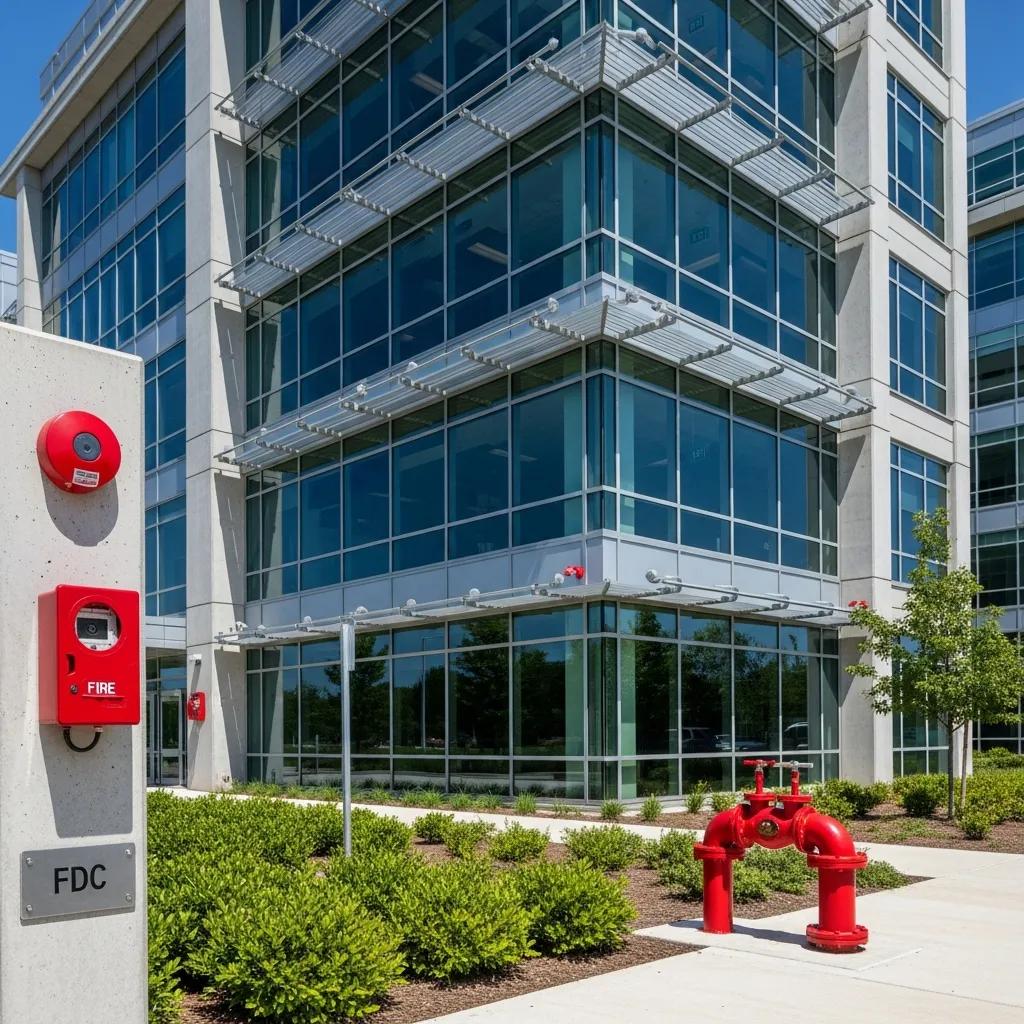
Why Regular Fire System Testing Matters — Safety and Compliance for UAE Commercial Buildings
Regular fire system testing is one of the simplest ways to keep people and property safe — especially in UAE commercial buildings. This guide explains why testing matters, what systems it covers (fire alarms, sprinklers, emergency lighting and pumps), and how routine maintenance protects assets while keeping you compliant with local rules. We walk through the testing essentials for Abu Dhabi and Al Ain and outline the practical benefits of working with a professional provider like Amples Fire & Safety LLC .
Why is fire system testing essential for commercial buildings in the UAE?
Testing fire systems isn’t just a box to tick — it’s a legal and life-safety requirement. Regular inspections and tests confirm systems work when they’re needed and help prevent avoidable incidents. Non-compliance can lead to heavy fines, legal exposure, and, critically, increased risk to occupants and property. Routine testing keeps your systems reliable, your people protected, and your business operating within code.
Evidence shows that NFPA-aligned inspection, testing and maintenance measurably improves building safety and operational resilience.
NFPA Fire System Compliance: Safety & Resilience in Commercial Buildings
This systematic review examines how NFPA-compliant fire protection systems improve infrastructure resilience across multiple building types in the United States. From hospitals and industrial sites to transit hubs, data from 115 included studies link code-conforming design and disciplined inspection, testing, and maintenance with better life-safety and continuity outcomes — including greater containment to the room or area of origin, fewer injuries and direct losses, fewer nuisance alarms, and reduced downtime.
A SYSTEMATIC REVIEW ON THE IMPACT OF NFPA-COMPLIANT FIRE PROTECTION SYSTEMS ON US INFRASTRUCTURE RESILIENCE, MM Mia, 2025
How does regular fire system testing protect lives and property?
When systems are tested on schedule, faults are found and fixed before they cause harm. Buildings with well-maintained fire protection report fewer incidents; some studies indicate effective alarm systems can cut fatalities by up to 50%. Inspections and timely maintenance spot hazards early, keep detection and suppression working, reduce damage, and often lower insurance and recovery costs.
What are the regulatory requirements for fire system testing in Abu Dhabi and Al Ain?
In Abu Dhabi and Al Ain, the Abu Dhabi Civil Defence (ADCD) sets clear obligations for inspecting and maintaining fire safety systems — including alarms, sprinklers, pumps and emergency lighting. Requirements specify inspection intervals and certification steps; failure to comply can result in fines or operational restrictions. Building owners and facility managers must understand and follow these schedules to remain compliant and safe.
What are the key components and benefits of fire alarm system testing?
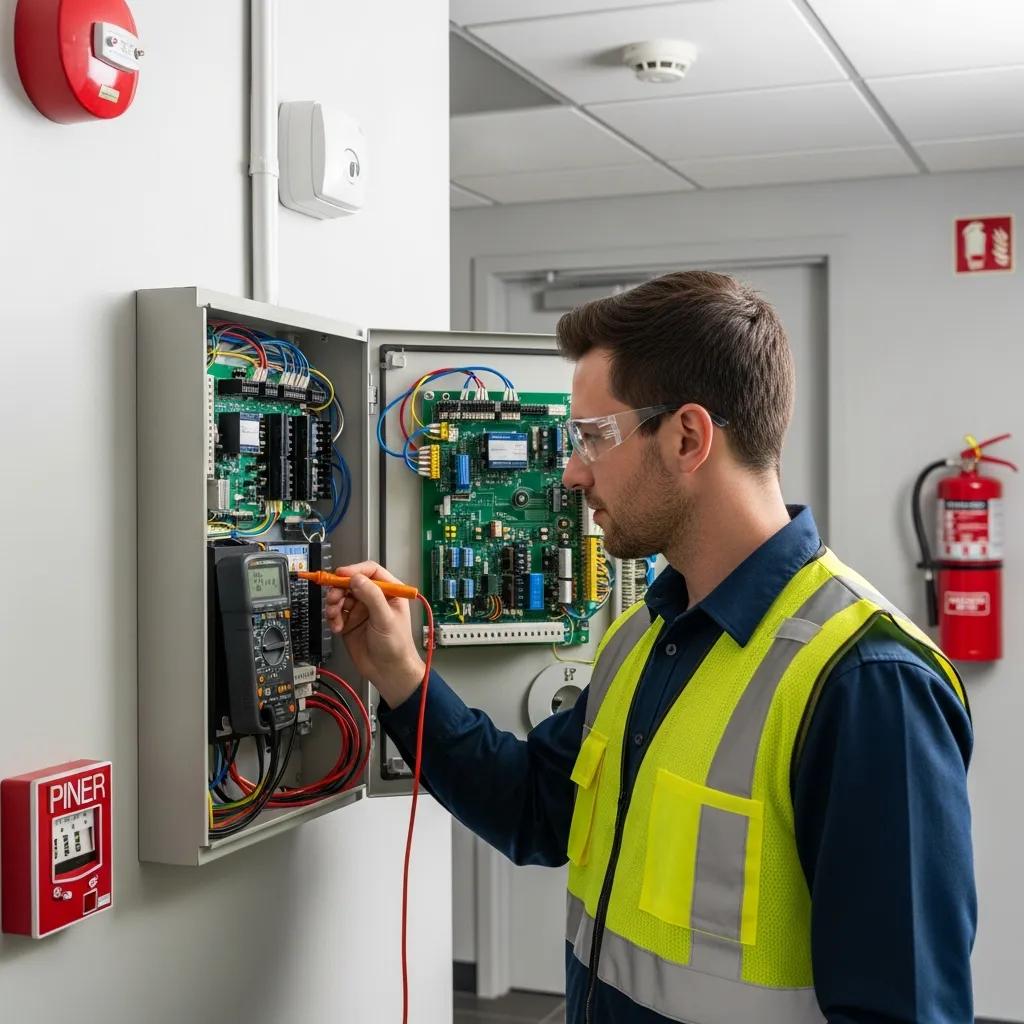
Fire alarms provide the earliest warning in an emergency. Regular testing confirms detectors, control panels and notification devices will perform when needed. Beyond meeting regulations, testing delivers reliable early detection, faster occupant response and reduced property loss.
Which fire alarm components are tested during maintenance?
- Smoke detectors : Checked for obstructions, sensitivity and correct operation.
- Control panels : Verified to register and communicate alarms and system faults.
- Notification devices : Alarms, strobes and speakers tested for audibility and visibility.
Consistent testing of these parts keeps your alarm system dependable and compliant.
How does fire alarm testing ensure early detection and NFPA 72 compliance?
NFPA 72 defines performance and testing practices for fire alarm systems. Regular testing uncovers deficiencies and confirms the system meets performance criteria for early detection. That proactive maintenance reduces liability for owners and improves occupant safety by ensuring timely alerts.
How does fire sprinkler system inspection enhance safety and reduce damage?
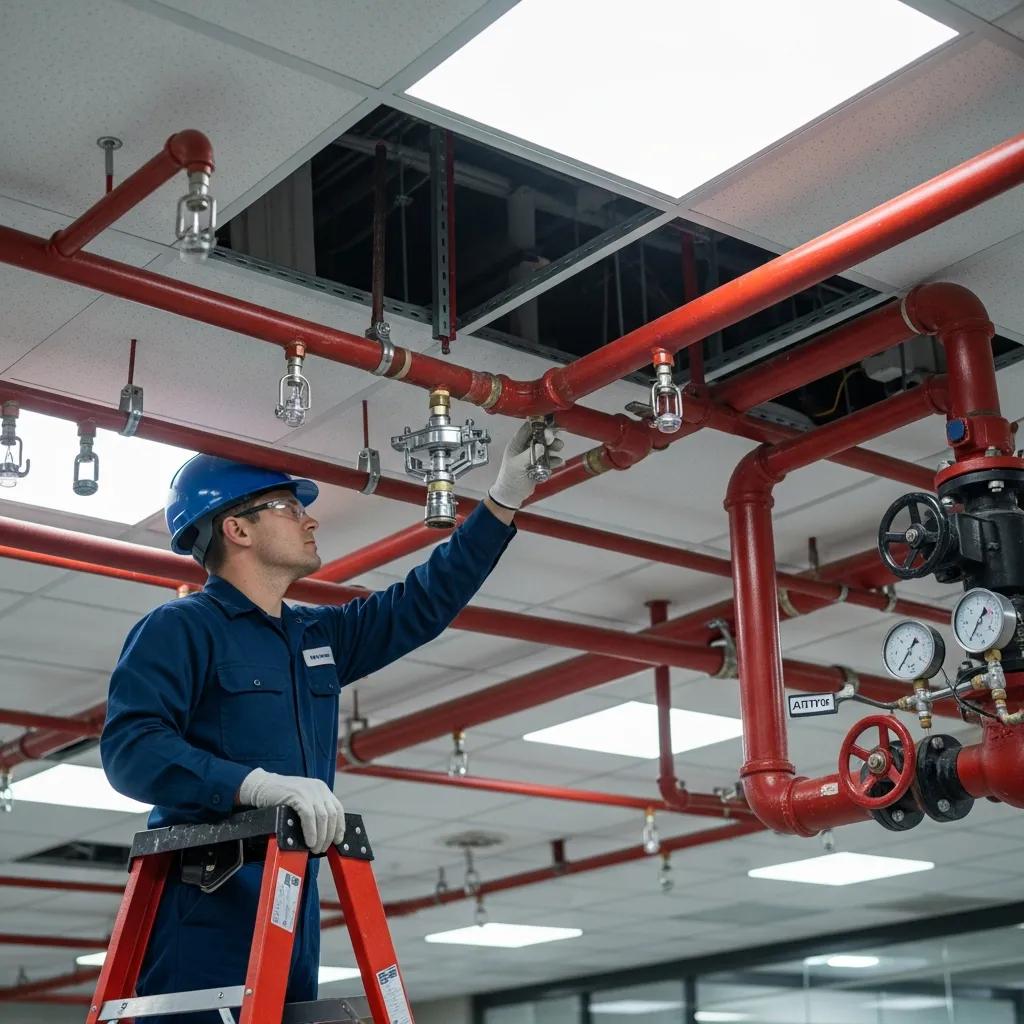
Sprinkler systems are a core defense against spreading fire. Regular inspections identify wear, blockages or leaks so systems can control or extinguish fires reliably. Addressing issues early reduces the scope of damage and keeps occupants safer.
What are the NFPA 25 standards for fire sprinkler testing and maintenance?
NFPA 25 provides practical guidance on inspecting, testing and maintaining water-based fire protection systems. It sets inspection frequencies and specifies tests required to maintain system reliability. Following NFPA 25 supports local compliance and helps spot corrosion, leaks and obstructions before they compromise performance.
What common issues are identified during sprinkler inspections?
- Corrosion : Pipe and fitting deterioration that can impair performance.
- Obstructions : Items blocking sprinkler heads that prevent proper water distribution.
- Leaking valves : Leaks that reduce pressure and system effectiveness.
Prompt repair of these problems preserves system integrity and occupant safety.
What are the emergency lighting testing requirements in Abu Dhabi?
Emergency lighting is critical for safe evacuation. Abu Dhabi regulations require periodic testing to ensure lights and backup batteries operate when mains power is lost.
How often should emergency lighting systems be tested?
- Monthly tests : Short checks to confirm lamps and circuits operate.
- Annual tests : Extended tests (typically 90 minutes) to verify battery capacity and endurance.
Regular testing reveals failures early so exit routes remain illuminated during emergencies.
Why is emergency lighting critical for safe evacuation?
Clear, reliable lighting on escape routes reduces confusion and evacuation time — especially in smoke or power-loss conditions. Poor emergency lighting increases the chance of injury; consistent testing and maintenance keep escape paths visible and safe.
How is fire pump testing conducted to ensure optimal performance?
Fire pumps supply the pressure required by sprinkler and standpipe systems. Regular tests confirm pumps will start, build pressure and deliver required flow during an incident.
What are the weekly, monthly, and annual fire pump testing procedures?
- Weekly checks : Visual inspection for leaks and confirmation the pump starts as expected.
- Monthly flow tests : Measured output checks to ensure pressure and flow meet specifications.
- Annual performance tests : Full evaluations to confirm overall functionality and NFPA 25 compliance.
These scheduled checks keep pumps ready to perform when needed.
How does compliance with NFPA 25 standards affect fire pump reliability?
Following NFPA 25 ensures testing and maintenance routines that preserve pump readiness. Regular compliance checks surface issues early so pumps will deliver required pressure and flow during emergencies.
Additional studies highlight the importance of regular pump testing to meet NFPA requirements and maintain operational readiness.
Automated Fire Pump Testing for NFPA Compliance
National codes — including NFPA standards — require periodic testing of fire pumps because pumps are idle until needed and their performance can decline. NFPA 20 and NFPA 25 outline testing intervals and procedures to keep pumps in working condition. Automated testing solutions help maintain consistent performance and ensure pumps meet required standards.
Automated System for Fire Pump Performance Testing, 2018
What are the benefits of professional fire system maintenance with Amples Fire & Safety LLC?
Partnering with a professional maintenance provider like Amples Fire & Safety LLC delivers consistent testing, timely repairs and clear documentation — all of which boost safety and demonstrate regulatory compliance. Our service model reduces risk, simplifies certification and frees you to focus on running your facility.
How does 24/7 response and immediate rectification enhance fire safety?
Amples provides round‑the‑clock response so faults are addressed promptly, not left to escalate. Rapid troubleshooting and immediate rectification shorten system downtime and reduce the window of vulnerability, keeping occupants and assets protected.
How does Amples ensure ADCD compliance and certification for clients?
We help clients meet ADCD requirements through scheduled inspections, documented testing and support through the certification process. Our team follows local regulations and recognised standards so your systems pass inspection and remain certified.
| Fire Safety System | Key Components | Testing Frequency |
|---|---|---|
| نظام إنذار الحريق | Smoke Detectors, Control Panels, Notification Devices | Monthly and Annually |
| نظام الرشاشات لمكافحة الحرائق | Pipes, Sprinkler Heads, Valves | Quarterly and Annually |
| الإضاءة الطارئة | Light Fixtures, Batteries, Control Systems | Monthly and Annually |
| Fire Pump | Pump, Valves, Pressure Gauges | Weekly, Monthly, and Annually |
Testing and maintenance are the practical steps that protect people, limit damage and keep your building compliant. With professional support from Amples Fire & Safety LLC, you get reliable systems, documented proof of service, and the confidence that your fire protection will work when it matters most.
الأسئلة الشائعة
What is the role of fire system testing in risk management for businesses?
Fire system testing identifies faults before they become incidents. Regular testing ensures alarms, sprinklers and pumps function correctly, lowering the chance of fire‑related injury and property loss. For businesses, this reduces operational risk, protects assets and supports continuity planning.
How can businesses ensure their fire safety systems are up to date with the latest regulations?
Stay informed on local requirements from the Abu Dhabi Civil Defence and follow recognised standards like NFPA where applicable. Regularly consult with certified fire safety professionals — schedule inspections, keep maintenance logs and update components that no longer meet current codes.
What are the consequences of neglecting fire system testing?
Skipping scheduled testing increases the chance of system failure during an emergency, which can lead to injuries, greater property damage and legal or financial penalties. Neglect can also raise insurance costs or jeopardise coverage. Routine testing is the simplest way to avoid those outcomes.
How does fire system testing impact insurance premiums for businesses?
Insurers often reward proactive risk management. Businesses that maintain regular testing and clear maintenance records typically present a lower risk profile, which can result in more favourable premiums and smoother claims handling after an incident.
What should businesses look for when choosing a fire safety service provider?
Choose a provider with local experience, proper certifications and a track record of ADCD compliance support. Look for comprehensive services (inspection, testing, maintenance and certification), transparent reporting and reliable emergency response.
How can technology improve fire system testing and maintenance?
Technology — from automated testing to remote monitoring and maintenance management software — speeds fault detection, centralises records and helps ensure tests occur on schedule. Data analytics can reveal trends and allow proactive repairs before failures occur.
خاتمة
Consistent fire system testing is a straightforward, high‑impact way to protect lives, limit damage and meet regulatory obligations. Understanding testing requirements and partnering with experienced professionals like Amples Fire & Safety LLC makes compliance easier and your building safer. Explore our maintenance services to keep your systems ready when it counts.