
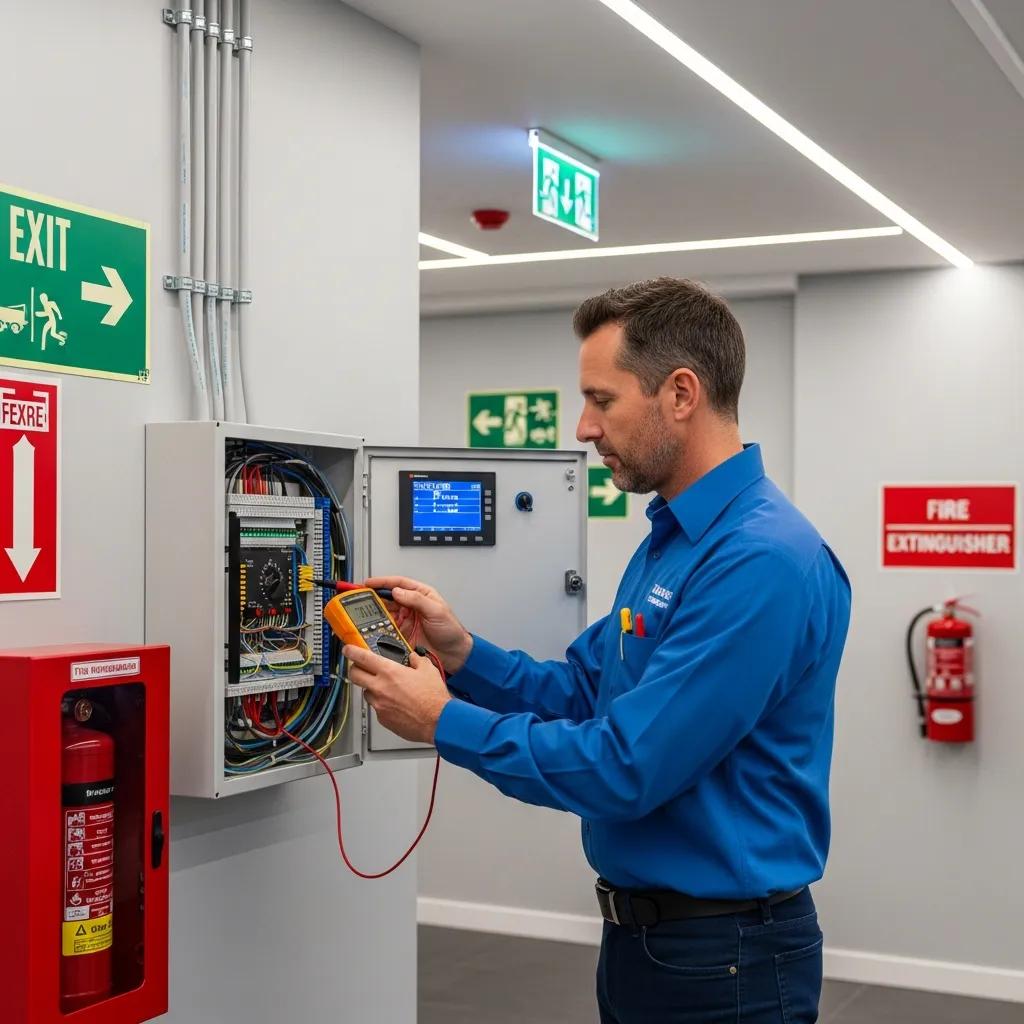
Fire System Testing: Why You Can’t Skip It for Fire System Maintenance in Abu Dhabi
Regular fire system testing is one of the simplest — and most critical — steps you can take to keep people and property safe. When systems are tested on a set schedule, alarms, sprinklers and suppression units work when they’re needed and your building stays aligned with local rules. In Abu Dhabi, where Abu Dhabi Civil Defence (ADCD) standards are strictly applied, business owners and facilities managers must understand what testing involves and why it matters. This article explains the systems that need attention, how an annual maintenance contract helps you stay compliant and reliable, common testing challenges, and practical steps to prepare for inspections.
Why Is Regular Fire System Testing Crucial for Businesses in Abu Dhabi?
Testing fire systems on a regular basis keeps occupants safe and reduces the risk of property loss. It means running methodical checks to confirm each component functions and meets ADCD requirements. Put simply: tested systems save lives and help you avoid avoidable costs and penalties.
How Does Fire System Testing Protect Lives and Property?
Regular testing verifies that alarms, sprinklers and suppression equipment will respond correctly in an emergency. It uncovers weak points before they become failures — faulty detectors, worn components or wiring issues — so you can fix them early. Research and field reports consistently show that buildings with active testing programs have fewer injuries and smaller losses after a fire. Timely fixes, such as replacing a malfunctioning detector, have prevented larger incidents in real-world cases.
What Are the Financial Benefits of Fire System Testing?
Testing isn’t just about safety — it’s an investment. Staying compliant with ADCD rules helps avoid fines and shutdowns. Insurers also view well-maintained systems as lower risk, which can reduce premiums or improve terms. In short, a proactive testing program protects people and helps protect your bottom line.
What Fire Safety Systems Require Testing Under Abu Dhabi Civil Defence Regulations?
Which Components Are Tested in Commercial Fire Alarm Systems?
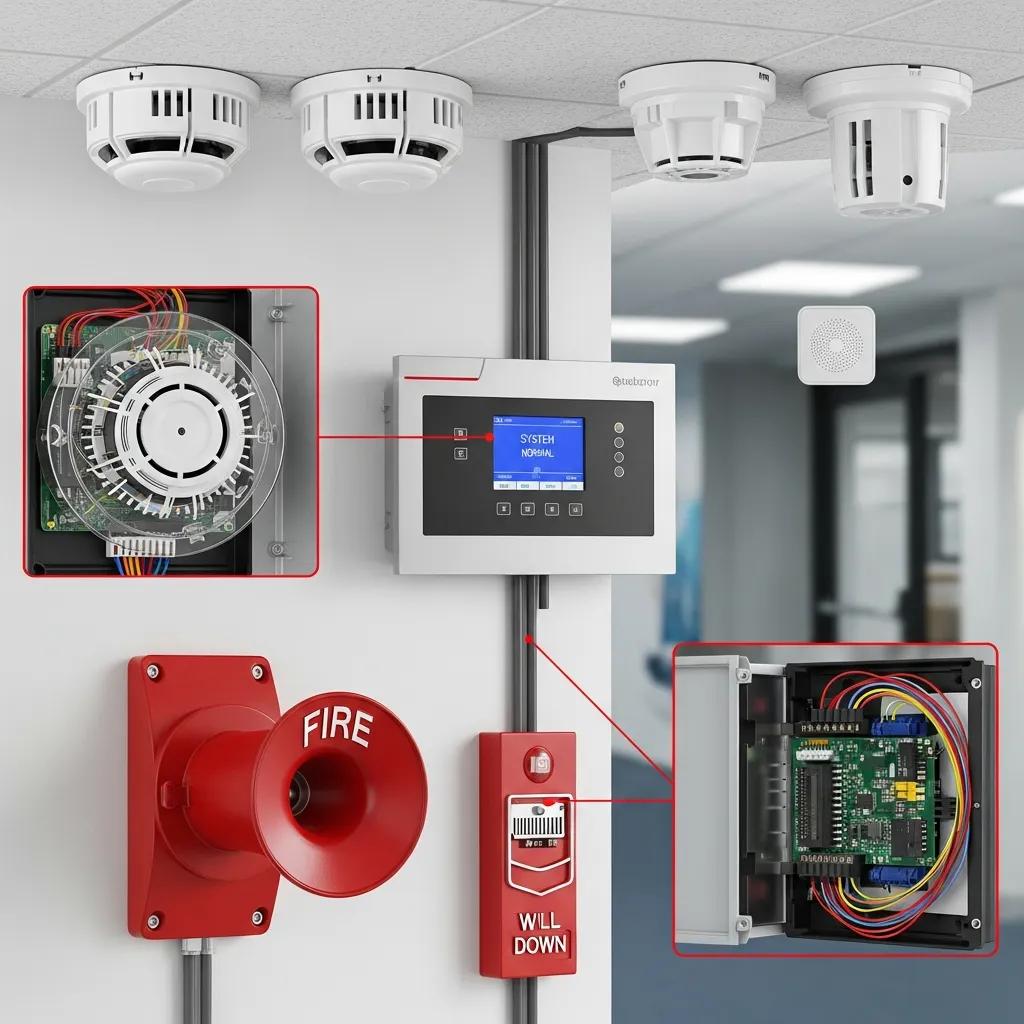
Commercial alarm systems include multiple parts that must be checked on schedule. Key items include:
- Smoke Detectors: Verified to react to smoke and alert the system as intended.
- Control Panels: Inspected to confirm the central unit is fault-free and correctly configured.
- Notification Devices: Sirens, bells and strobes tested to ensure clear warning signals reach occupants.
Consistent testing of these components ensures timely alerts and coordinated system responses during an incident.
How Are Fire Sprinkler and Suppression Systems Inspected and Maintained?
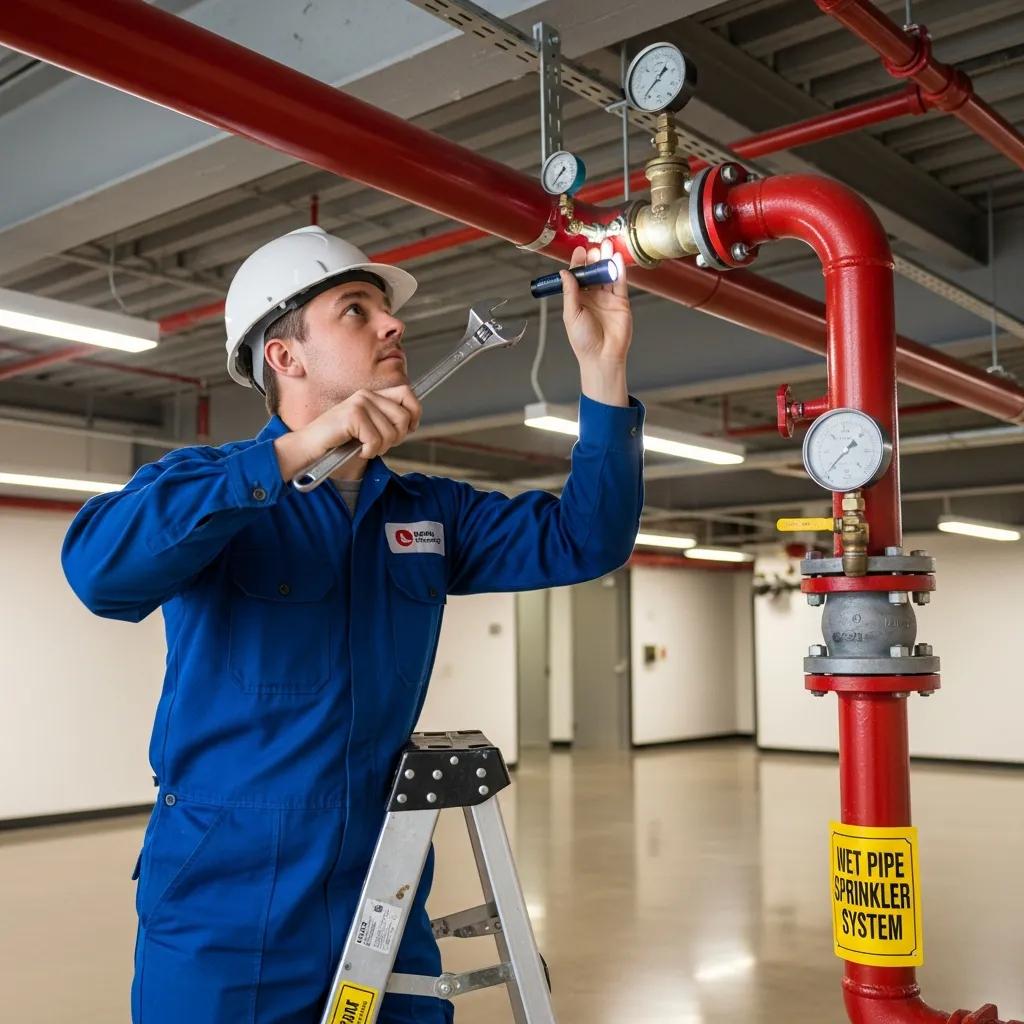
Sprinkler and suppression systems stop fires from spreading and limit damage — but only if they’re maintained. Typical inspection and upkeep include:
- Visual Inspections: Look for obstructions, corrosion or damaged sprinkler heads and piping.
- Flow Tests: Verify water pressure and flow rates are sufficient to operate the system.
- System Maintenance: Service pumps, valves and control hardware so they operate correctly when called upon.
Using a clear checklist for each system helps teams stay compliant and ensures the equipment will perform under stress.
How Does an Annual Fire Safety Contract Ensure Compliance and System Reliability?
An annual fire safety contract gives you a structured program of inspections, tests and maintenance so your systems remain reliable and ADCD-compliant. It moves fire safety from an ad-hoc task to a managed, auditable process.
What Services Are Included in a Comprehensive Fire System Maintenance Contract?
A full maintenance contract typically covers:
- Regular Inspections: Planned checks of all installed fire safety equipment to confirm operational status.
- Testing Services: Routine testing of alarms, detectors, sprinklers and suppression systems per schedule.
- Emergency Repairs: Fast response to faults, minimizing downtime and exposure to risk.
These services keep your systems ready to protect people and property at all times.
Why Choose an ADCD-Approved Contractor Like Amples Fire & Safety LLC?
Working with an ADCD-approved contractor ensures the team understands local regulations, documentation standards and inspection expectations. Approved providers bring tested procedures and certified technicians — which reduces the chance of non-compliance and gives you practical peace of mind.
What Are the Common Challenges and Solutions in Fire System Testing in Abu Dhabi?
Fire system testing presents predictable challenges. Identifying those early and applying proven fixes makes compliance manageable and keeps systems reliable.
How Does Immediate Fault Rectification Improve Fire Safety?
Finding a fault is only half the job — fixing it quickly is what lowers risk. Delays can leave buildings exposed. A proactive maintenance plan with prioritized repairs ensures faults are addressed promptly. Case examples show organizations that respond fast have fewer incidents and better inspection outcomes.
What Role Does Technology Play in Modern Fire System Testing?
Technology speeds up fault detection and simplifies record-keeping. Remote monitoring gives real-time insight into system health, while automated testing tools ensure consistent coverage without missed checks. Digital logs and maintenance platforms also make inspections and audits straightforward.
How Can Business Owners and Building Managers Prepare for Abu Dhabi Civil Defence Fire Safety Inspections?
Preparation reduces stress and improves inspection results. Taking a few proactive steps keeps you inspection-ready and reduces the chance of corrective actions.
What Are the Key ADCD Compliance Requirements for Fire Systems?
- Regular Testing: Systems must be tested at specified intervals to confirm function.
- Documentation: Maintain clear records of inspections, tests and repairs.
- Staff Training: Ensure employees know fire procedures and basic system operation.
Meeting these basics sets the foundation for a successful inspection.
How to Obtain and Maintain Fire Safety Fitness Certificates?
Securing and keeping a fire safety fitness certificate follows a clear process:
- Initial Assessment: Conduct a full review of your fire safety systems and site risks.
- Compliance Checks: Make sure systems meet ADCD standards and resolve any gaps.
- Application Submission: Send the required documents and test reports to ADCD for certification.
Regular reviews and timely maintenance keep certificates valid and reduce surprises at renewal time.
Frequently Asked Questions
What Should Businesses Do If They Fail a Fire Safety Inspection?
If you fail an inspection, act quickly. Fix the issues identified, document the repairs and request a re-inspection once corrections are complete. Keep clear records of all work carried out — that paper trail helps during follow-ups and future audits.
How Can Businesses Ensure Their Fire Safety Systems Are Up to Date?
Set a regular maintenance program that includes scheduled inspections and testing. Stay informed about ADCD updates and new technologies, and work with a qualified contractor who can recommend necessary upgrades. Regular staff training also helps keep on-site practices current.
What Are the Most Common Fire Safety Violations in Abu Dhabi?
Typical violations include missed or irregular testing, incomplete maintenance records, insufficient staff training, blocked fire exits and poorly maintained extinguishers. Addressing these routine items prevents most inspection failures.
How Can Technology Improve Fire System Testing Efficiency?
Digital systems and remote monitoring speed fault detection and simplify reporting. Automated test procedures reduce human error, and maintenance software centralizes logs and certificates — making compliance easier to manage.
What Should Be Included in Fire Safety Training for Employees?
Training should cover how fire systems work, evacuation procedures, basic extinguisher use and how to report faults. Regular drills reinforce learning and ensure staff respond correctly in an emergency.
How Can Businesses Choose the Right Fire Safety Contractor?
Look for ADCD approval, proven experience and positive references. Ask about the contractor’s inspection process, response times for repairs and how they document work. A reliable contractor offers comprehensive services — inspections, testing and emergency repairs — and clear records for audits.
How Often Should Fire Systems Be Tested and Maintained?
At minimum, test and maintain systems annually; higher-risk sites usually need more frequent checks. Follow ADCD schedules and your contractor’s recommendations to keep systems fully operational.
What Are the Penalties for Non-Compliance with Fire Safety Regulations?
Non-compliance can lead to fines, legal action, higher insurance costs and damage to your reputation. Regular testing and proper maintenance are the best ways to avoid these consequences.
Conclusion
Consistent fire system testing protects people, assets and your business’s bottom line. By keeping systems maintained and working with an ADCD-approved contractor, you reduce risk and ensure compliance. Take action now: schedule regular maintenance and keep your fire safety program inspection-ready.