
When to Inspect Your Fire Systems — A clear, practical guide to inspection frequency and compliance for commercial properties
Regular inspections keep people safe and keep your property compliant. This guide breaks down how often different fire systems should be checked — from alarms and sprinklers to extinguishers and emergency lighting. Follow these schedules to reduce risk, meet regulatory requirements, and avoid costly penalties. We cover recommended routines, the relevant NFPA standards, Abu Dhabi Civil Defence rules, and why consistent inspections matter.
Recommended inspection frequencies for commercial fire systems
Setting a clear inspection cadence is the simplest way to protect your premises and stay compliant. Each system has its own recommended rhythm based on industry standards and local regulations. Below is a quick reference for the most common commercial systems and their typical inspection schedules.
| Fire System Type | Recommended Inspection Frequency | Compliance Authority |
|---|---|---|
| Fire Alarm Systems | Weekly visual checks; full inspection and testing annually | Abu Dhabi Civil Defence |
| Fire Sprinkler Systems | Quarterly inspections; annual system testing | NFPA 25 |
| Fire Extinguishers | Monthly visual checks; annual maintenance by a certified technician | NFPA 10 |
Fire alarm inspection frequency in Abu Dhabi
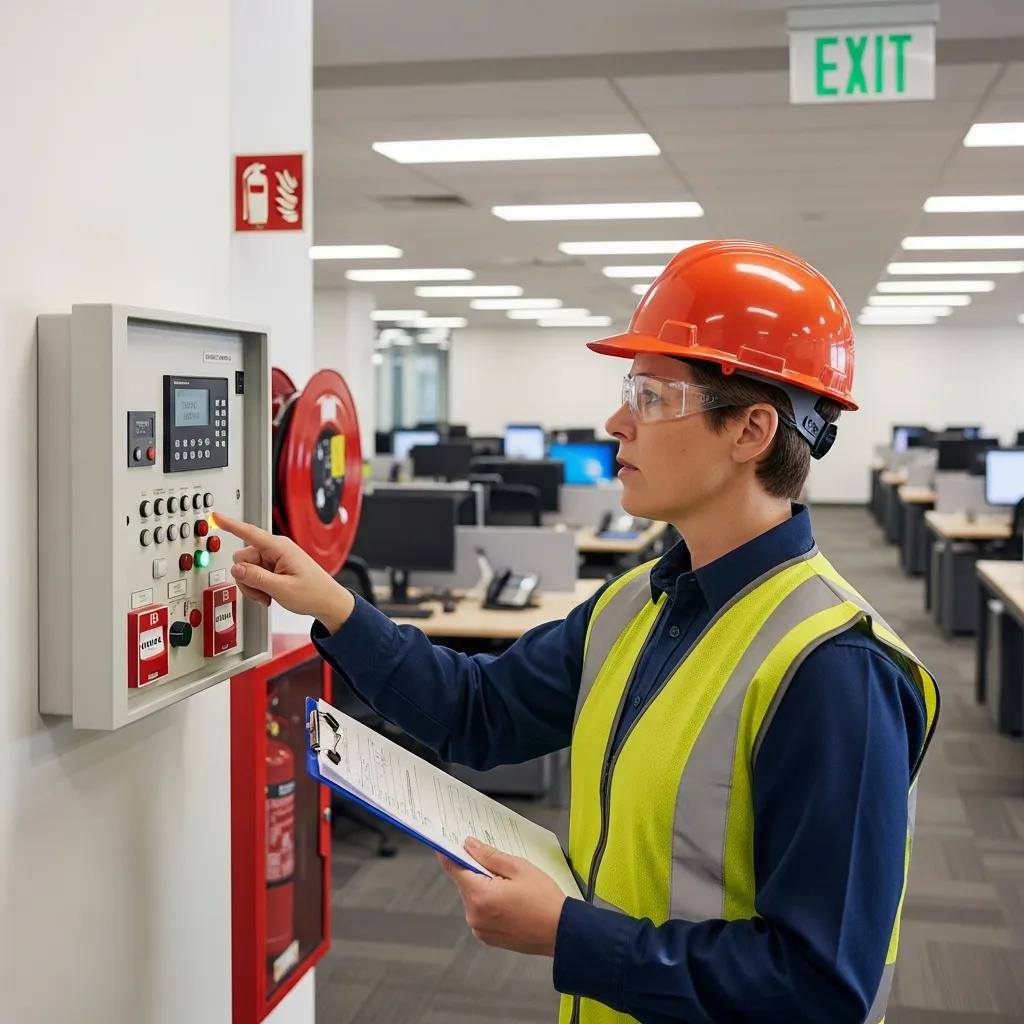
In Abu Dhabi, fire alarm systems should receive weekly visual inspections to confirm indicators and components are working. In addition, a comprehensive inspection and test should be completed once a year to validate whole-system performance. These checks are best performed by certified technicians who can document compliance and spot issues before they escalate.
Fire sprinkler maintenance schedule under UAE guidance
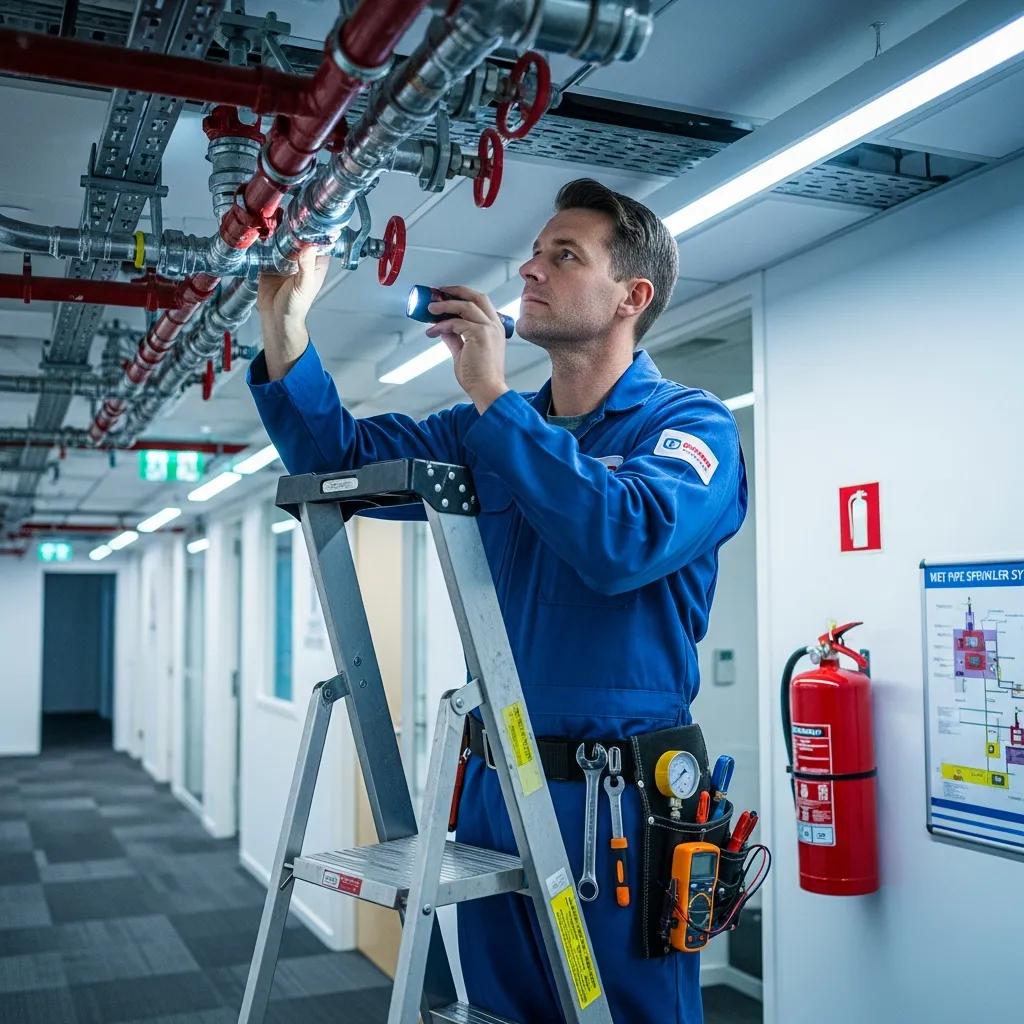
UAE guidance recommends quarterly inspections of sprinkler systems to look for damage, blockages, and proper valve positions. A full system test should be carried out annually to confirm readiness. Regular upkeep helps prevent failures when they matter most and avoids enforcement action for non-compliance.
NFPA requirements for inspecting different fire safety equipment
The National Fire Protection Association (NFPA) defines inspection, testing, and maintenance standards for fire safety equipment. Knowing which NFPA standard applies to each system is essential for meeting best practices and regulatory expectations in commercial buildings.
NFPA 72: how often to inspect fire alarm systems
NFPA 72 specifies at least an annual inspection for fire alarm systems, with weekly visual checks recommended to catch obvious faults quickly. Inspections should verify detectors, notification devices, and control components are functioning so the system will respond reliably in an emergency.
A common challenge is ensuring scheduled inspections truly reflect a system’s operational risk — not just a checklist item.
Fire alarm system maintenance and regulatory considerations
Regulatory maintenance and testing often rely on periodic inspections, which can miss deeper issues and may not always show a system’s true condition or risk profile.
Designing sprinkler systems for maintainability: best practices for designing an automatic sprinkler system that can be easily inspected, tested, and maintained, 2017
NFPA 25: guidance for sprinkler inspection and testing
NFPA 25 sets the standard for inspecting and testing sprinkler systems. It calls for regular visual and operational checks — commonly quarterly — and annual tests to confirm the system will operate as designed. Following NFPA 25 is central to preserving sprinkler reliability.
NFPA 25 remains the authoritative reference for maintaining sprinkler system integrity and performance.
NFPA 25: sprinkler inspection frequency and quality
NFPA 25 is the accepted standard for inspecting, testing, and maintaining sprinkler systems; it defines both how often and how thoroughly those activities should be done.
Designing sprinkler systems for maintainability: best practices for designing an automatic sprinkler system that can be easily inspected, tested, and maintained, 2017
How Abu Dhabi Civil Defence manages fire safety inspections and compliance
Abu Dhabi Civil Defence (ADCD) enforces fire safety regulations and issues fitness certificates that demonstrate a building meets local standards. Their rules are focused on public safety and require documented evidence of regular inspections and maintenance.
ADCD fire safety inspection requirements
ADCD expects all fire safety systems — alarms, sprinklers, extinguishers and related equipment — to be inspected on the schedules set out in local guidance. Accurate records must be kept and made available for review to prove compliance.
Obtaining and keeping ADCD fitness certificates for fire systems
To secure and retain ADCD fitness certificates, ensure your fire systems are inspected and maintained on the prescribed schedule and that inspection records are complete and up to date. Missing documentation or skipped checks can lead to fines or withdrawal of certification.
Inspection guidance for extinguishers and emergency lighting
Portable extinguishers and emergency lighting are lifesaving components of any fire safety plan. Regular checks keep them ready when occupants need them most.
How often to inspect and test fire extinguishers
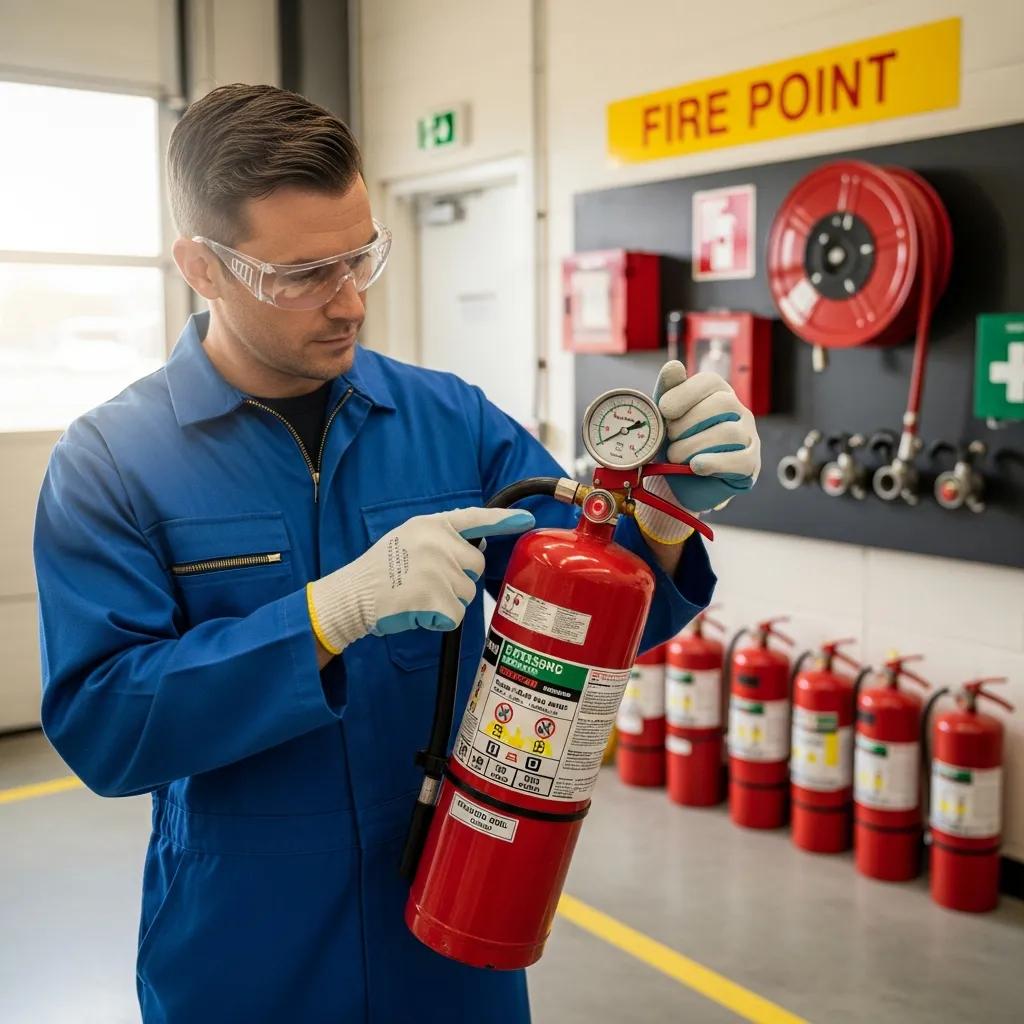
Visually inspect extinguishers monthly to confirm they’re accessible, charged, and undamaged. In addition, schedule an annual maintenance service with a certified technician to verify internal condition and compliance with regulatory requirements.
Beyond monthly checks, formal conformity assessments by authorized bodies ensure extinguishers meet technical regulations and performance standards.
Fire extinguisher regulations and conformity assessment
Requirements for portable and mobile extinguishers include periodic conformity assessment by authorized bodies in addition to routine maintenance specified in technical regulations.
Fire extinguisher conformity assessment–a case study, A Mićović, 2021
Testing schedule for emergency lighting and exit signs
Test emergency lighting and exit signage monthly to verify operation and conduct a more thorough annual test to confirm battery backup and full-system function. Reliable emergency lighting helps occupants evacuate safely during power loss.
Why regular fire system inspection matters for safety and compliance
Routine inspections catch small problems before they become failures. That reduces risk to people and property, keeps you on the right side of regulators, and helps avoid penalties or insurance issues.
How routine maintenance reduces failures and risk
Proactive maintenance finds wear, damage, and incorrect settings early — when repairs are simpler and less costly. This keeps systems ready to operate under stress and lowers the chance of service interruptions when it counts.
Benefits of professional inspections by certified experts
Certified inspectors bring technical knowledge and regulatory familiarity. Their reports give you clear next steps, credible documentation for authorities and insurers, and confidence that your fire protection measures are dependable.
How Amples Fire & Safety LLC supports your inspection and maintenance needs
Amples Fire & Safety LLC delivers end-to-end annual maintenance services for fire and safety systems across Abu Dhabi and Al Ain. Our Fire & Safety System Annual Maintenance (Firefighting AMC) covers alarms, firefighting equipment and related systems to help you meet Abu Dhabi Civil Defence (ADCD) requirements.
Advantages of choosing Amples for annual maintenance
Choosing Amples gives you certified technicians, proven compliance workflows, and clear record keeping. We focus on reliability and regulatory readiness so you can concentrate on running your business.
How to schedule a certified inspection with Amples Fire & Safety LLC
Booking an inspection is simple: contact Amples to arrange a certified visit that documents system condition and compliance. Timely inspections keep your site safe and protect you from avoidable penalties.
Frequently asked questions
What happens if a business fails to comply with inspection regulations?
Non-compliance can lead to fines, legal liability, higher insurance costs, and even closure orders. After a fire, insurers may deny claims if inspection records are missing. Maintaining a documented inspection program reduces these risks.
How can businesses stay compliant with fire safety rules?
Maintain a calendar of inspections based on local rules, keep complete records, and work with certified professionals for testing and repairs. Regular staff training and staying current with regulatory updates also help maintain compliance.
What should an inspection report include?
A proper report lists the systems inspected, inspection date, the inspector’s name and qualifications, component conditions, any defects found, recommended corrective actions, and a statement of regulatory compliance where applicable.
Do fire system inspectors need specific qualifications?
Yes. Inspectors typically hold certifications aligned with NFPA standards and local regulatory qualifications. They should have hands-on training with alarms, sprinklers, extinguishers and ongoing professional development to stay current.
How can technology improve fire system inspections?
Inspection software and mobile apps streamline scheduling, recordkeeping and reporting. IoT sensors and remote monitoring can flag problems in real time, helping you address faults before they become emergencies.
What role do fire drills play in compliance?
Fire drills validate evacuation plans and staff readiness. Regulators often require periodic drills, and regular practice highlights gaps in procedures, signage, or equipment that need attention.
Conclusion
Regular, documented inspections are the backbone of effective fire safety. By following recommended inspection frequencies and engaging qualified professionals, you protect people, reduce liability, and stay compliant. Book a certified inspection with Amples Fire & Safety LLC to secure your site and maintain regulatory readiness.