
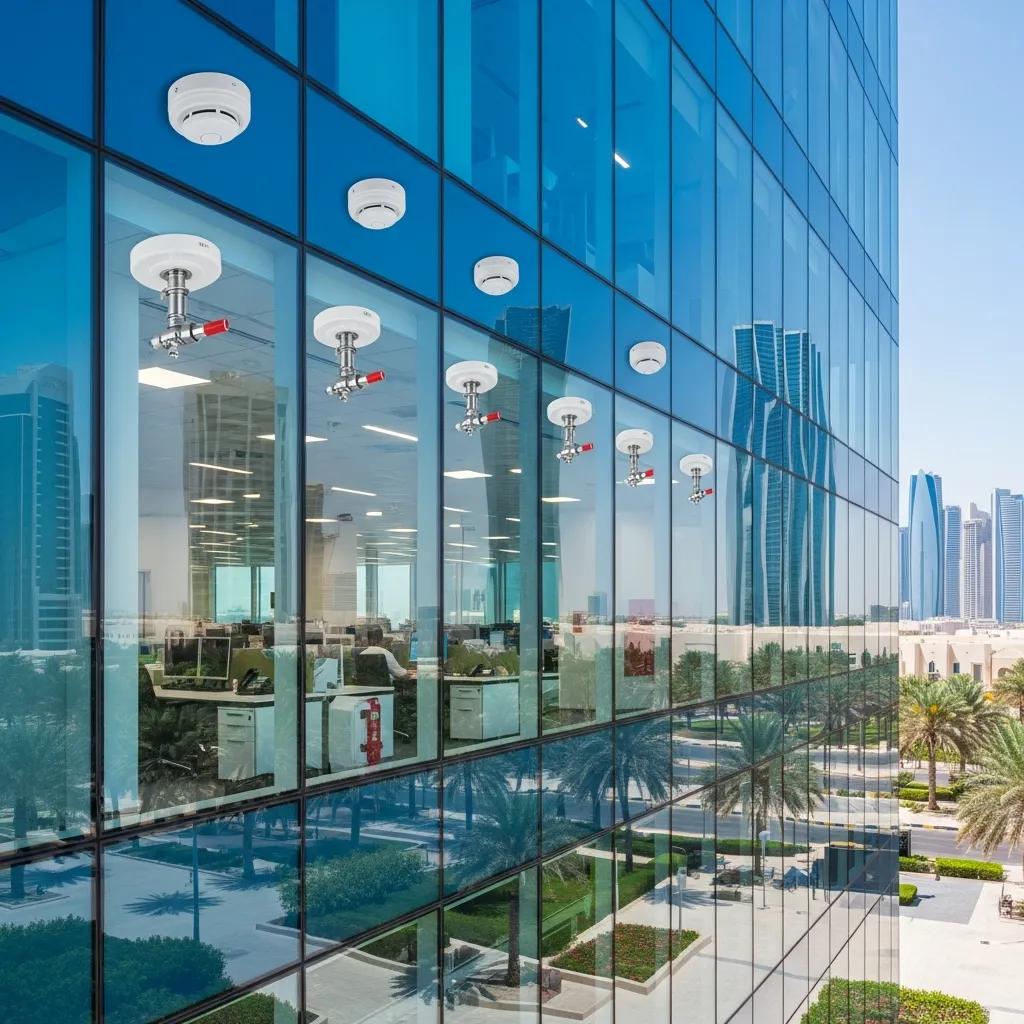
Fire System Testing vs. Regular Inspections — Which Protects Your Abu Dhabi Business?
Fire safety isn’t optional — it’s a daily operational responsibility for businesses in Abu Dhabi. This guide explains the difference between fire system testing and routine inspections, why both matter, and how each supports compliance and on-site safety. Testing checks that systems actually work in an emergency; inspections check that components are in the right condition and documented correctly. Overlooking either can create safety gaps and regulatory exposure. Below we cover what inspections include, what testing looks like, the ADCD and NFPA expectations, and how partnering with Amples Fire & Safety LLC through an annual maintenance contract cansimplify compliance and reduce risk.
What Is a Fire System Inspection — and Why It Matters
A fire system inspection is a scheduled, visual and procedural review of your fire-protection equipment to confirm it meets local rules and is fit for service. Inspections catch wear, damage, blockages, and missing documentation before they become failures. Regular checks keep smoke detectors, alarms, control panels and sprinklers ready to do their job and help you stay on the right side of Abu Dhabi regulations.
Key Components of a Fire System Inspection
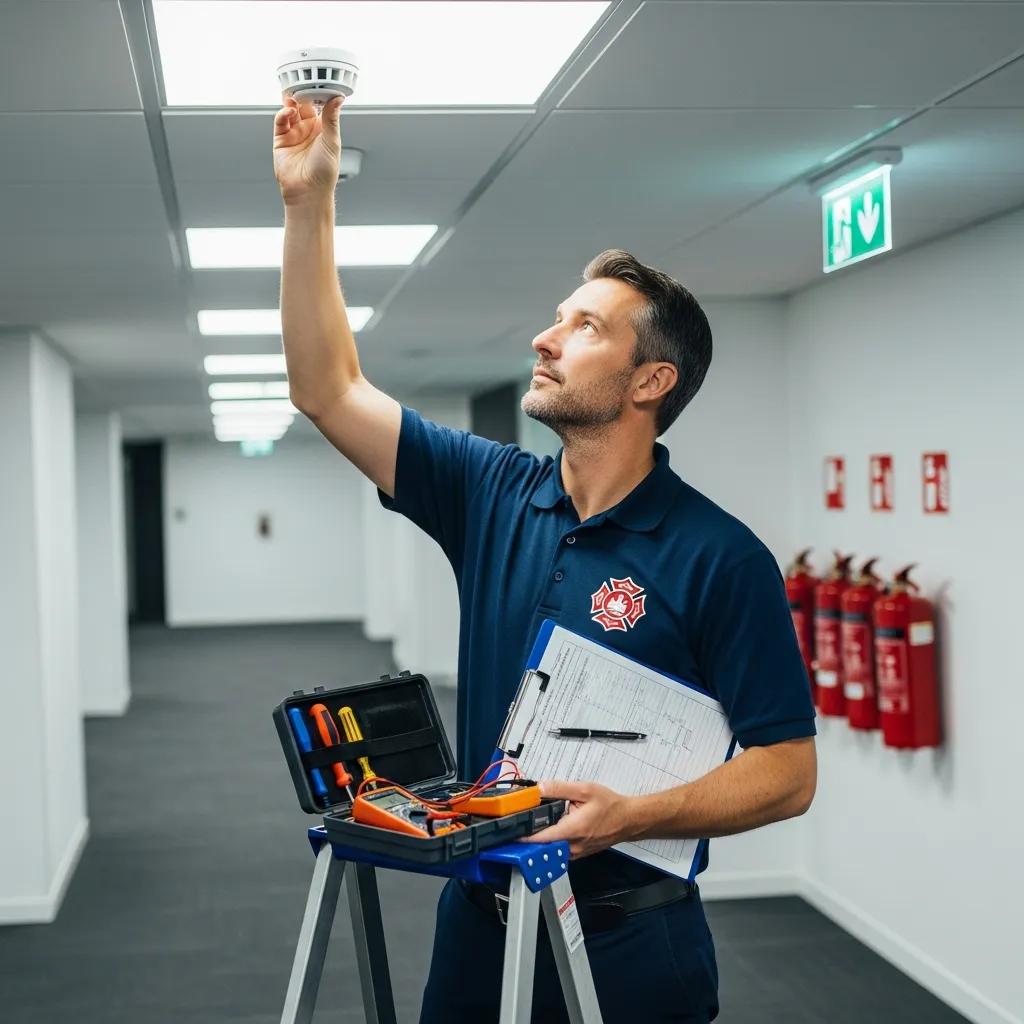
- Visual Checks : Technicians walk the site to confirm devices are intact, unobstructed and correctly sited.
- Functional Checks : Basic operational tests ensure alarms, control panels and valves respond as expected during routine checks.
- Documentation Requirements : Accurate records of inspections, faults and repairs are kept to demonstrate compliance and to guide future maintenance.
How Often Should Fire System Inspections Be Conducted in Abu Dhabi?
Abu Dhabi rules generally require yearly inspections, but many sites need more frequent checks based on risk. High-hazard locations — warehouses, manufacturing floors and similar environments — often benefit from quarterly inspections. Missing scheduled inspections raises your liability and can lead to fines or insurance complications.
What Does Fire System Testing Involve — and How Is It Different from Inspections?
Testing goes beyond looking — it simulates or verifies system performance under controlled conditions. Where inspections confirm condition and placement, testing confirms that alarms sound, sprinklers actuate, pumps run and emergency lighting operates when called upon. Regular testing proves systems will perform when it matters most.
Which Functional Tests Are Critical for Fire Safety Systems?
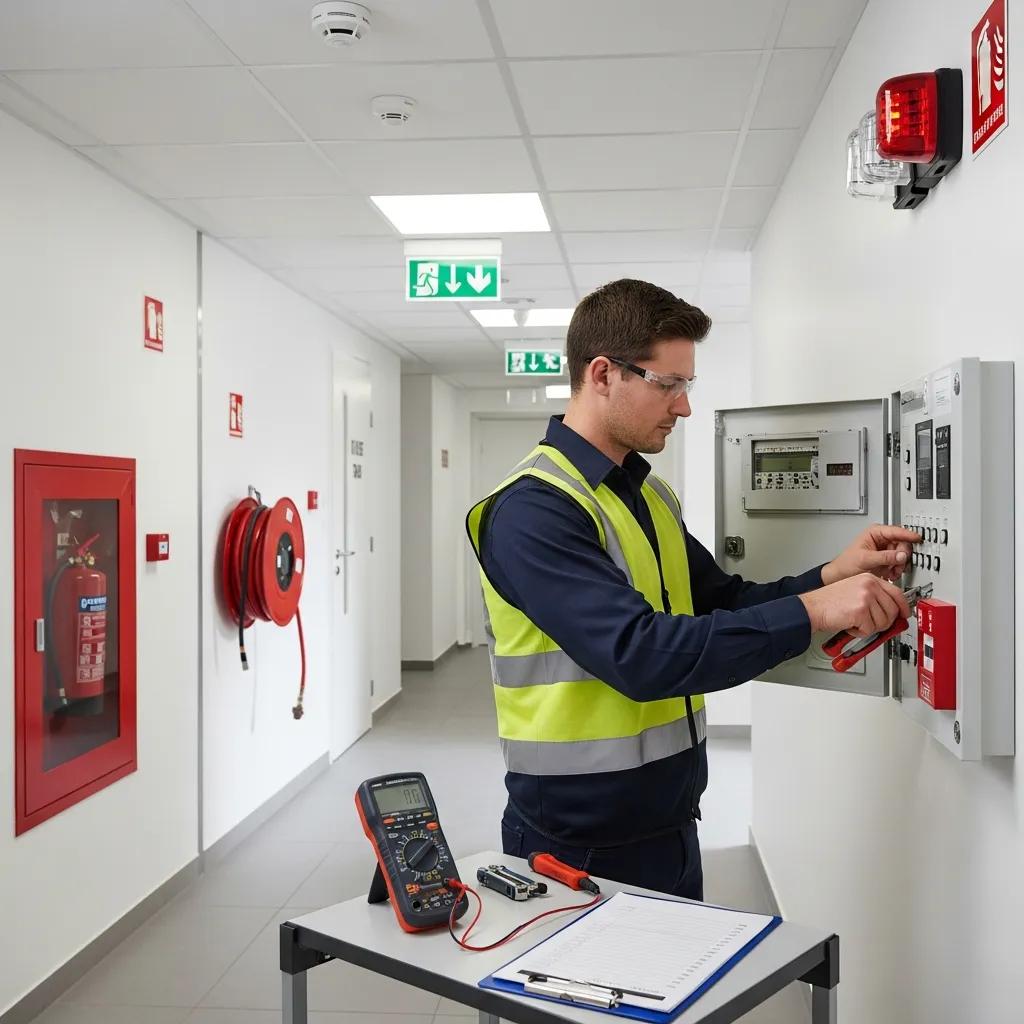
- Alarm System Tests : Confirm alarms activate, alerts reach monitoring stations, and warning tones are audible across the premises.
- Sprinkler System Tests : Verify water flow devices, valves and heads operate and deliver water where needed in a fire scenario.
- Emergency Lighting Tests : Ensure exit routes stay lit during power loss so occupants can evacuate safely.
What Are the Required Testing Frequencies According to ADCD and NFPA Standards?
ADCD and NFPA set clear schedules for testing. Many components need at least annual functional tests, while some elements (like certain alarm circuits or water-flow devices) require monthly or quarterly checks. Sprinkler systems typically have annual inspections plus routine checks on alarms and flow switches. Following these cycles keeps systems reliable and helps avoid penalties.
Independent research also shows that disciplined inspection, testing and maintenance improve life-safety outcomes and reduce downtime across infrastructure.
NFPA Compliance: Inspection, Testing, and Maintenance for Fire Safety
A systematic review found that NFPA-compliant inspection, testing and maintenance consistently led to better life-safety and resilience outcomes — more containment to the origin area, fewer injuries and losses, reduced nuisance alarms and quicker recovery times.
A SYSTEMATIC REVIEW ON THE IMPACT OF NFPA-COMPLIANT FIRE PROTECTION SYSTEMS ON US INFRASTRUCTURE RESILIENCE, MM Mia, 2025
Why Both Testing and Inspections Are Essential for Real Safety
Inspections and testing are two halves of the same safety program. Inspections spot visible problems and compliance gaps; testing proves the systems actually respond when triggered. Together they reduce risk and help you demonstrate due diligence.
What Risks Arise from Neglecting Either Testing or Inspections?
- Legal Implications : Failing to meet ADCD or NFPA requirements can result in fines, enforcement action or operational restrictions.
- Safety Risks : Unchecked or untested systems may fail in an emergency, putting people and property at risk.
- Financial Consequences : Claims, higher insurance premiums and repair bills can follow from preventable failures.
How Do Testing and Inspections Work Together in Maintenance?
Inspections feed testing: they identify what needs closer verification or service. Testing validates repairs and confirms system readiness. A combined program reduces surprises, shortens downtime and strengthens compliance records.
How Abu Dhabi Civil Defence Regulations Shape Testing and Inspections
ADCD rules set the minimum expectations for inspection intervals, testing frequencies and record-keeping. These regulations are the baseline for safe operations and influence how facilities plan maintenance and training.
What Are the Specific ADCD Compliance Requirements for Fire Safety Systems?
- Regular Inspections : Annual inspections are typically required; higher-risk sites may need more frequent checks.
- Documentation : Maintain clear records of inspections, tests, faults and corrective actions to demonstrate compliance.
- Training : Staff must know basic fire-safety procedures and how to operate or report on fire systems.
How Does the Hassantuk System Facilitate Fire Safety Monitoring and Reporting?
Hassantuk centralises fire-safety data and gives real-time visibility into system health. It flags faults, aggregates reports and helps you submit the evidence ADCD expects — making compliance and response faster and more reliable.
Benefits of an Annual Maintenance Contract with Amples Fire & Safety LLC
An annual maintenance contract (AMC) with Amples ensures scheduled inspections and tests are completed by certified technicians — reducing your compliance burden and giving you confidence that systems will work when needed.
How Does an AMC Ensure Compliance and System Reliability?
- Regular Maintenance Schedules : Planned visits keep systems inspected and tested on the right cadence.
- Documentation and Reporting : We provide clear logs and reports you can use for ADCD submissions or audits.
- Expertise of Service Providers : Our technicians are trained to local standards and familiar with practical site needs.
What Services Are Included in Amples’ Comprehensive AMC Packages?
- Routine Inspections : Regular on-site checks to identify issues early and maintain compliance.
- Functional Testing : Full-system tests to confirm alarms, sprinklers, pumps and emergency lighting operate correctly.
- Emergency Response Planning : Support building tailored response plans and training to keep staff ready.
Frequently Asked Questions
What are the consequences of failing to conduct regular fire system inspections?
Skipping inspections can lead to regulatory fines, higher liability and systems that won’t perform in an emergency. It also increases the chance of insurance disputes and reputational harm if an incident occurs.
How can businesses ensure they are compliant with Abu Dhabi fire safety regulations?
Set a documented inspection and testing schedule that follows ADCD guidance, keep detailed records, train staff on basic fire procedures, and work with accredited service providers who understand local requirements.
What role does employee training play in fire safety compliance?
Trained employees spot hazards early, use safety equipment correctly and execute evacuation plans calmly. Regular training reinforces compliance and reduces response times during incidents.
How does the Hassantuk system improve fire safety management?
Hassantuk provides live monitoring, fault alerts and consolidated reporting so you can act quickly and show regulators the evidence they require. It streamlines oversight across multiple sites.
What should businesses look for when choosing a fire safety service provider?
Choose a provider with local experience, ADCD-recognised credentials, clear reporting practices and a full-service offering that includes inspections, testing and emergency planning. References and documented case work are valuable indicators.
Are there specific fire safety regulations unique to Abu Dhabi that businesses should be aware of?
Yes. The Abu Dhabi Civil Defence sets requirements for inspection frequency, testing regimes and record-keeping. Staying up to date with ADCD guidance and implementing the required processes is essential for compliance.
Conclusion
Understanding the difference between testing and inspections — and committing to both — is the best way to protect people, assets and your licence to operate in Abu Dhabi. A structured maintenance program or an AMC with a trusted partner like Amples Fire & Safety LLC makes compliance manageable and reduces operational risk. Reach out to learn how our maintenance packages can keep your systems ready and your business protected.