
Understanding Fire System Inspection Costs in Abu Dhabi: What Business Owners Need to Know
Fire system inspections are vital for confirming that a building’s fire safety systems are fully operational and meet all regulatory standards. This directly impacts safety, ensures compliance, and maintains business continuity for commercial properties across Abu Dhabi. This guide breaks down what a fire system inspection entails, why the Abu Dhabi Civil Defence (ADCD) mandates regular checks, and how these requirements tie into trade license renewals and insurance eligibility. Business owners will gain insight into the primary cost factors—building type, system complexity, inspection frequency, and ADCD approvals—and receive practical, Abu Dhabi-specific advice for budgeting and procurement. We’ll outline typical cost ranges for common services, compare conventional and addressable systems, and walk you through the ADCD fitness certificate process to help you plan timelines and administrative steps. You’ll also find actionable cost-saving strategies and a clear view of what’s included in Annual Maintenance Contracts (AMCs). Throughout this article, we’ve incorporated keywords like fire alarm maintenance cost Abu Dhabi, firefighting AMC cost Abu Dhabi, and ADCD inspection fees Abu Dhabi to help business owners quickly find the guidance they need and request precise quotes from qualified providers.
What Is a Fire System Inspection and Why Is It Mandatory in Abu Dhabi?
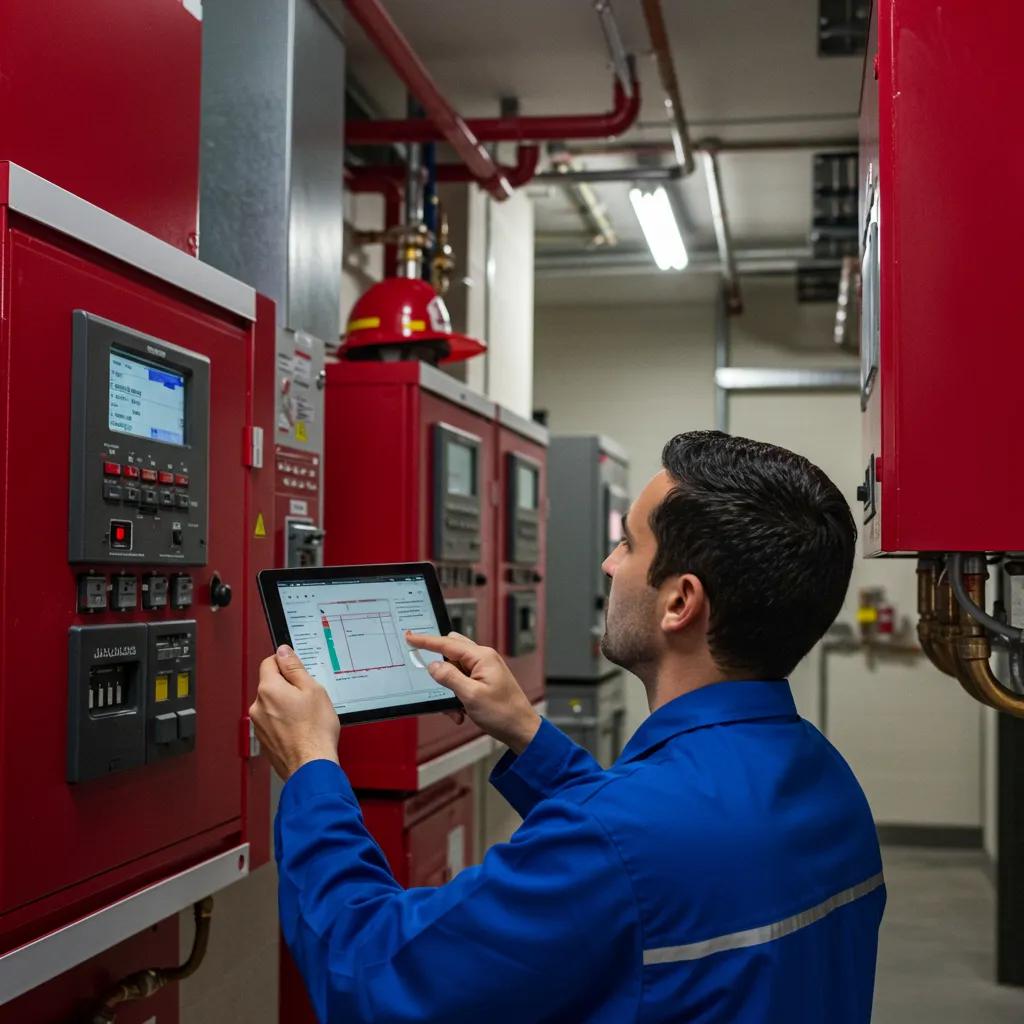
A fire system inspection is a formal assessment of a building’s fire protection equipment to verify its correct operation, minimize fire risks, and ensure adherence to regulatory standards. These inspections test critical components such as detectors, alarm panels, sprinklers, pumps, extinguishers, and emergency lighting to confirm that detection, alerting, suppression, and egress systems function as intended. The main advantage is confirmed life-safety performance and the essential documented evidence required for regulatory compliance and insurer reviews. Regular inspections significantly reduce the chance of undetected system failures that could lead to property damage, injuries, or enforcement actions by Abu Dhabi Civil Defence. Understanding the scope of an inspection helps businesses budget effectively for maintenance and avoid costly emergency repairs that can delay trade license renewals and increase liability.
What Components Are Included in a Fire System Inspection?
A comprehensive inspection covers fire alarm systems, smoke and heat detectors, control panels, alarm sounders, sprinkler heads and risers, fire pumps, hydrants, portable extinguishers, suppression systems, and emergency lighting. Inspectors conduct functional tests, visual examinations, battery and backup power checks, sprinkler flow tests, fire pump operational runs, pressure and gauge verifications, and valve position confirmations. Common issues that lead to failures include degraded batteries, obstructed sprinkler heads, malfunctioning detectors, corroded hydrant components, and control panel error logs requiring immediate attention. Thorough documentation of all checks and a clear remediation plan are essential for ADCD audits and insurer inquiries.
How Does Abu Dhabi Civil Defence Regulate Fire System Inspections?
Abu Dhabi Civil Defence (ADCD) establishes the definitive standards, inspection schedules, and documentation requirements that buildings must meet to secure fitness certificates and maintain approved civil defence contracts. ADCD’s inspections focus on functional performance, the use of correct equipment types, system zoning, maintenance records, and any necessary monitoring or reporting integrations. Key compliance points typically include valid AMC documentation, recent test reports, evidence of completed remedial works, and the current system monitoring status. Partnering with service providers who are well-versed in ADCD checkpoints simplifies the inspection process, minimizes the risk of re-inspections, and helps businesses maintain continuous operational compliance.
Why Is Fire System Inspection Essential for Trade License Renewal?
Fire system inspections and the availability of valid maintenance records are frequently prerequisites for obtaining or renewing trade licenses. This is because licensing authorities rely on ADCD fitness certificates as definitive proof of a safe business premises. A failed inspection or missing documentation can lead to significant delays in renewal, trigger mandatory remediation orders, and result in extended operational downtime. Maintaining up-to-date AMC records, promptly addressing any required remedial works, and demonstrating consistent compliance significantly reduces administrative hurdles during renewal periods. Proactive collaboration between building management and qualified maintenance providers ensures inspection readiness and uninterrupted licensing processes.
What Are the Key Factors Influencing Fire System Inspection Costs in Abu Dhabi?

The pricing for inspections and Annual Maintenance Contracts (AMCs) is determined by a combination of building characteristics, system complexity, the scope of services provided, inspection frequency, and associated regulatory administrative costs. Each of these elements influences the required labor hours, the need for specialized skills, the likelihood of spare parts replacement, and the time dedicated to ADCD-related coordination. Understanding these influencing factors empowers business owners to compare quotes accurately and prioritize interventions that offer the greatest value in terms of safety and compliance. The following structured overview illustrates how typical factors impact costs, aiding in budgeting and procurement decisions.
| نوع المبنى | Typical Cost Factors | Relative Impact |
|---|---|---|
| Small office or retail | Device count, single-floor access, basic alarm system | واسطة |
| Medium commercial (multi-floor) | Number of zones, stairwell coverage, emergency lighting | عالي |
| Warehouse or large logistics | Extensive detector/sprinkler density, fire pump capacity | Very high |
This table highlights that larger and higher-risk building types generally involve more extensive inspection efforts and higher AMC pricing due to increased device counts and specialized testing requirements. Conducting a site survey is crucial for obtaining accurate estimates tailored to these specific variables.
How Does Building Size and Type Affect Inspection Pricing?
The size and occupancy of a building directly influence the number of devices that require testing and the amount of time technicians must dedicate to inspection, reporting, and any necessary remedial work. A small office with a single alarm panel might only require a few technician hours per visit, whereas a multi-storey commercial building necessitates checks of stairwells, zones, and compartments, extending the inspection duration. Buildings with high occupancy or those used for high-hazard activities (such as kitchens, workshops, or storage of flammable materials) demand more detailed testing and specialized expertise. As building size and complexity increase, so do the manpower requirements, logistical challenges for access, and the probability of parts replacement, all of which contribute to higher costs.
What Impact Does Fire Safety System Complexity Have on Costs?
The complexity of a fire safety system—including factors like conventional versus addressable fire alarm systems, integrated suppression systems, and linkages with building management systems—increases diagnostic time, requires specialized tools, and necessitates a higher level of technician expertise. Addressable systems offer precise fault location but demand more extensive programming checks and panel diagnostics, which prolong test procedures. Integrated suppression systems and monitoring connections (such as central station reporting) also introduce additional verification points and considerations for spare parts. These technical intricacies typically result in higher labor rates and longer service windows, which are reflected in AMC pricing.
How Does the Scope of Annual Maintenance Contracts Influence Pricing?
The scope of an Annual Maintenance Contract (AMC) can range from basic inspection-only services to comprehensive packages that include parts, labor, scheduled preventive maintenance, emergency response, and all necessary documentation for ADCD. Basic inspection packages offer lower upfront costs but leave clients potentially exposed to separate charges for parts and emergency call-outs. Comprehensive AMCs bundle routine testing, minor repairs, and 24/7 emergency response into a single annual fee, providing predictable budgeting and faster remediation. Including spare parts and immediate rectification services increases the contract cost but significantly reduces the risk of inspection failures and unplanned operational downtime.
How Does Inspection Frequency Affect Overall Costs?
The frequency of inspections—whether quarterly, bi-annually, or annually—directly impacts the total annual expenditure and the effectiveness of preventive maintenance. More frequent inspections increase direct service costs but typically reduce the likelihood of major system failures and emergency repairs, leading to long-term savings. The ADCD may mandate specific periodic checks for certain systems, and higher-risk sites often benefit from more frequent visits to ensure they remain inspection-ready. Balancing the inspection cadence with the site’s risk profile and budget objectives optimizes both safety outcomes and the total cost of ownership.
What Are the Additional Costs for ADCD Approvals and Certifications?
Costs associated with ADCD approvals include statutory fees for applications and processing, potential re-inspection charges, and the administrative time required to prepare documentation and coordinate inspections. These regulatory expenses are separate from the service fees charged by AMCs and should be budgeted independently. Service providers often manage the submission coordination and remedial works, which can reduce the internal administrative burden but may incur additional service charges. Businesses should consult ADCD directly for the most current statutory rates while planning for provider coordination and any necessary investments in remedial work.
| Entity | Service Type | Price Range (AED) | Typical Frequency |
|---|---|---|---|
| Fire alarm systems | Alarm testing & reporting | Varies widely (site survey required) | Quarterly to annually |
| أنظمة الرش | Visual + flow/valve checks | Varies widely (site survey required) | Annual / post-work |
| Fire pumps | Performance run, pressure checks | Varies widely (site survey required) | Annual / after major works |
This quick-reference table emphasizes that precise pricing necessitates a site survey, as the actual costs depend heavily on device counts, system type, and site accessibility. Requesting tailored quotes is the most effective way to obtain accurate budget figures.
What Are the Typical Fire System Inspection Cost Ranges in Abu Dhabi?
Estimating cost ranges in Abu Dhabi involves integrating local market trends with site-specific details such as device counts and system technology. Conservative benchmarking helps owners establish realistic budgets before commissioning a formal site survey. Common service categories include fire alarm AMCs, firefighting equipment AMCs, sprinkler system testing, and fire pump testing, each with distinct labor and parts considerations. When evaluating bids, it is crucial to verify the scope of services, response Service Level Agreements (SLAs), and the ADCD documentation deliverables to ensure a fair comparison.
- Key cost categories and the factors influencing their price ranges.
- Fire alarm maintenance cost Abu Dhabi: Primarily influenced by the type of panel, the total number of devices, and the frequency of monitoring checks.
- Firefighting AMC cost Abu Dhabi: Determined by the inventory of extinguishers, hydrants, and the complexity of the pump systems.
- Sprinkler and pump testing cost Abu Dhabi: Affected by hydraulic calculations, pump capacity, and accessibility for testing.
These categories illustrate how different systems present varying inspection demands; obtaining an accurate, binding quotation can only be achieved through a site survey.
What Is the Average Cost of Fire Alarm Maintenance in Abu Dhabi?
Average fire alarm maintenance costs fluctuate based on the number of devices, the sophistication of the control panel, and the required inspection frequency. Smaller systems with a limited number of detectors and a single conventional panel will typically fall at the lower end of local pricing structures, whereas large addressable systems with numerous zones and remote monitoring capabilities will be at the higher end. Factors such as building accessibility, the history of false alarms, and the quality of existing documentation also impact the final price. Business owners should request customized quotes following a site survey to account for these variables and prevent underbudgeting.
How Much Does Firefighting Equipment AMC Cost for Commercial Properties?
Firefighting equipment AMCs encompass the maintenance of extinguishers, hydrant systems, hose reels, and suppression equipment, with costs scaling according to the size of the inventory and the types of equipment present. Routine tasks include pressure checks, refills, valve inspections, and minor repairs; however, suppression systems and extensive hydrant networks require specialized testing that increases the overall cost. The quantity of extinguishers and the presence of gas or foam suppression systems typically shift an AMC from basic maintenance to specialist service categories. Accurate pricing is contingent upon a confirmed inventory and an agreed-upon inspection cadence.
How Do Property Size and System Type Affect Price Variations?
Property size and system topology significantly influence technician hours, the number of devices to be tested, and the frequency of necessary remedial works, all of which contribute to price variations. A small retail outlet typically requires fewer devices and simpler access compared to a multi-level commercial complex or a warehouse with high racking and extensive sprinkler coverage. Addressable systems and integrated suppression systems increase diagnostic time and the demand for spare parts, leading to higher pricing. Site surveys and detailed device inventories are essential for translating these structural variables into precise cost figures.
What Are the Cost Differences Between Conventional and Addressable Fire Alarm Systems?
Conventional fire alarm systems divide buildings into zones, requiring broader manual searches to pinpoint faults, which can sometimes expedite certain diagnostic tasks but lacks precision. Addressable systems, conversely, provide device-level reporting and enable quicker fault isolation. However, their diagnostics, programming checks, and component-level servicing demand more specialized technician time. Spare parts for addressable systems, such as specific module boards or detectors, can also be more expensive. For complex buildings, the additional cost associated with servicing addressable systems is often justified by faster troubleshooting and reduced operational downtime.
| نظام | Inspection Tasks | Benefit/Outcome |
|---|---|---|
| Fire alarm testing | Panel checks, detector tests, battery verification | Verified detection and alerting functionality |
| Fire pump maintenance | Run tests, pressure checks, gauging | Reliable suppression water supply under demand |
| Extinguisher servicing | Pressure testing, recharge, tagging | Immediate readiness for first-response extinguishing |
This table clearly demonstrates how each service contributes to tangible compliance or safety outcomes, assisting decision-makers in prioritizing their investments.
What Services Are Included in Amples Fire & Safety LLC’s Annual Maintenance Contracts?
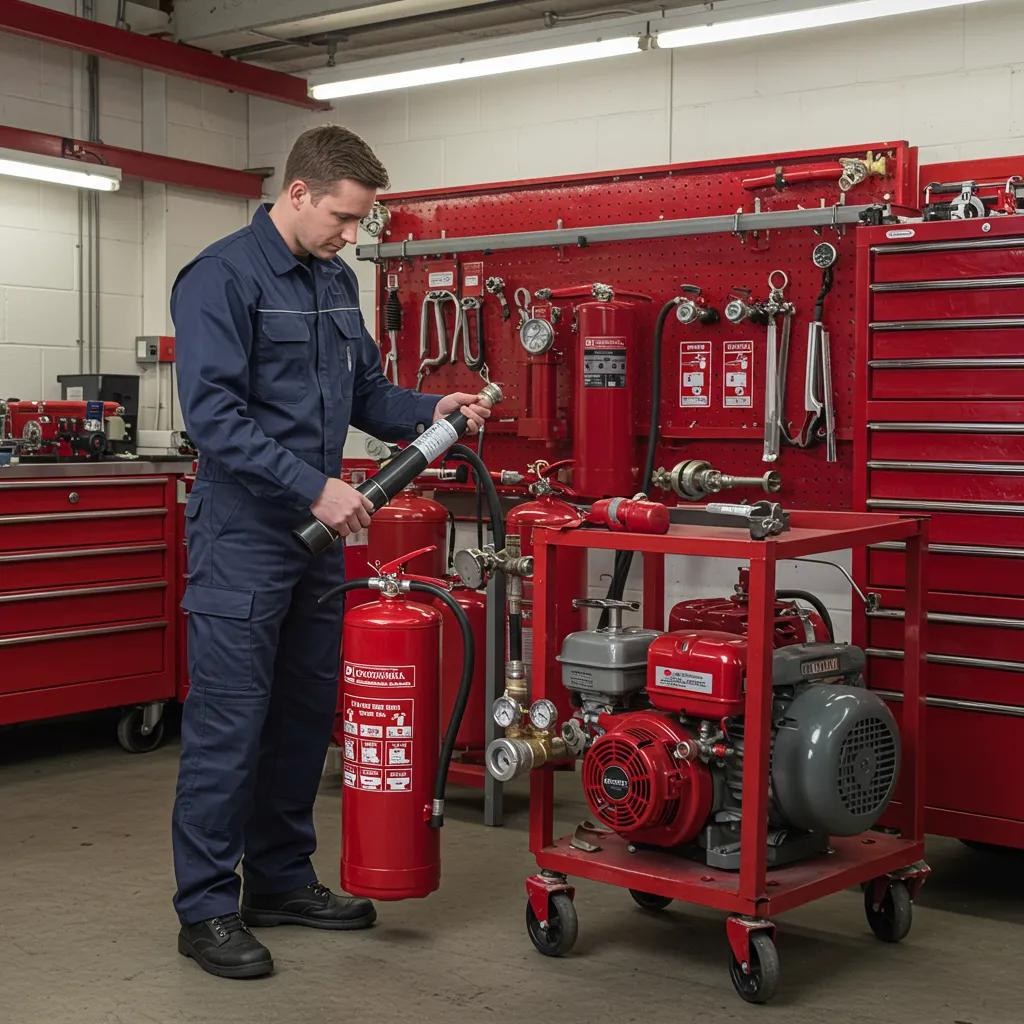
Amples Fire & Safety LLC offers Annual Maintenance Contracts, branded as Fire & Safety System Annual Maintenance – (Firefighting AMC), meticulously designed to ensure the optimal functioning of fire alarms, firefighting equipment, and general fire safety systems for commercial properties. Our contracts focus on providing robust compliance support for Abu Dhabi Civil Defence fitness certificates and approved civil defence contracts, complemented by rapid remediation services. Amples prioritizes 24/7 Response On Site and Immediate Rectification, leveraging extensive Brand Experience and Technical Capability, offering Cost-Effective Prices, and ensuring ADCD Compliance and Certification assistance to minimize inspection delays. The table below provides a summary of typical service inclusions, tasks, and the expected benefits for our clients.
| Service | Included Tasks | Benefit/Outcome |
|---|---|---|
| Fire alarm maintenance | Functional tests, panel diagnostics, battery checks, reporting | Maintains detection readiness and ADCD documentation |
| Firefighting equipment | Hydrant checks, extinguisher servicing, hose reel inspection | Ensures suppression equipment availability and safety |
| Emergency response & ADCD support | 24/7 on-site response, remedial works, certification assistance | Minimizes downtime and supports fitness certificate issuance |
Which Fire Alarm System Testing and Maintenance Services Are Provided?
Amples’ alarm testing services encompass comprehensive control panel inspections, functional tests for detectors and sounders, battery and standby power checks, zoning verification, and the formal reporting of all findings. Routine test intervals are clearly stipulated in AMC agreements, and reports are meticulously prepared for client records and ADCD review. Defect rectification follows documented workflows, with priority given to issues that could potentially lead to inspection failures. Our in-house technicians are equipped to manage compatibility across various brands and model types, reducing subcontracting delays and ensuring consistent diagnostic coverage.
What Firefighting Equipment Maintenance Is Covered?
Firefighting equipment maintenance under our AMC includes thorough checks of hydrants and valves, performance testing of fire pumps, inspections of hose reels, and the inspection, pressure testing, and refilling of portable extinguishers where necessary. Scheduled preventive maintenance significantly reduces the risk of in-service failures and ensures that service records align with ADCD auditing expectations. For suppression systems, specialized checks and expert recommendations for remediation are provided as part of the contract scope. Linking these tasks directly to ADCD compliance helps minimize re-inspection cycles and supports the timely issuance of fitness certificates.
How Does 24/7 Response and Immediate Rectification Benefit Clients?
Our round-the-clock response capability drastically minimizes the time between fault detection and its remediation, thereby reducing the likelihood of inspection failures and operational interruptions. Immediate rectification lowers the probability of issues escalating to emergency repairs, which typically incur higher costs and delay ADCD approvals. Prompt intervention by our in-house team also safeguards business continuity by swiftly restoring critical safety functions. For clients facing imminent inspections, this Service Level Agreement (SLA) can be the decisive factor between passing and requiring repeat inspections.
How Does Amples Ensure ADCD Compliance and Certification Support?
Amples actively assists clients by meticulously preparing inspection-ready documentation, coordinating inspection schedules, performing necessary remedial works prior to ADCD visits, and providing post-inspection follow-up to address any outstanding action items. This comprehensive support significantly reduces the administrative burden on facility teams and helps streamline the process of obtaining a fitness certificate. Our extensive experience with ADCD processes is designed to minimize re-inspections and expedite certification outcomes. Clients benefit from a single, reliable point of contact for all technical remediation and regulatory coordination needs.
How Does the Abu Dhabi Civil Defence Approval Process Affect Inspection Costs?
The ADCD approval process introduces administrative steps and potential remediation requirements that directly influence the total cost of achieving compliance. These include preparing documentation, scheduling inspections, implementing any necessary remedial works, and paying applicable statutory fees. Each stage can incur time-related costs and potential re-inspection fees if initial checks do not meet standards. Businesses should integrate regulatory timelines into their project plans to avoid last-minute rush charges and ensure adequate budgets are allocated for remedial work. The step-by-step outline below provides a practical overview of the process and highlights where costs typically arise.
- Preparation: Gathering all necessary documents and conducting pre-inspection checks to identify potential defects.
- Inspection: The official ADCD site visit and testing; minor rectifications may be required on the spot.
- Remediation: Implementing corrective actions to meet compliance standards.
- Certification: A follow-up inspection and issuance of the fitness certificate upon successful compliance.
What Are the Steps to Obtain an ADCD Fitness Certificate?
Obtaining an ADCD fitness certificate generally follows a sequential process: prepare all required documentation and service records, schedule and host the ADCD inspection, complete any remedial works identified during the inspection, and arrange for a re-inspection until the certificate is successfully issued. The timelines involved can vary significantly depending on the severity of identified defects and the complexity of the remediation required. Professional service providers who manage documentation and remediation coordination can often shorten the overall timeline by proactively addressing common failure points. Planning for potential remediation windows helps mitigate the risk of delayed certifications.
What Fees Are Associated with ADCD Fire Safety Certifications?
ADCD levies statutory fees for application processing, inspection attendance, and the issuance of certifications, in addition to potential charges for re-inspections. These regulator fees are distinct from the charges levied by service providers for testing, remedial works, or AMC services. Businesses must budget for both the official ADCD fees and the provider costs associated with preparing for and responding to inspections. Consulting ADCD’s official fee schedule is essential for accurate financial planning when compiling a compliance budget.
What Penalties Can Businesses Face for Non-Compliance?
Non-compliance with fire safety regulations can result in significant penalties, including fines, suspension of business operations, or mandatory remedial works ordered by ADCD. Beyond direct enforcement actions, insurance validity and underwriting terms may be adversely affected if required maintenance and certifications are not up-to-date. Operational disruption, reputational damage, and increased legal exposure are additional risks associated with failing to meet ADCD requirements. Prompt corrective action and consistent AMC coverage are crucial for mitigating these risks by ensuring systems remain inspection-ready.
How Does the Hassantuk System Installation Impact Fire Safety Costs?
The installation and ongoing operation of Hassantuk-style monitoring and reporting systems, which integrate with ADCD or central monitoring services, can introduce additional costs for installation and recurring monitoring fees. However, these systems provide continuous oversight and automated reporting capabilities. While they increase upfront expenses, they can reduce the need for manual inspection loads and offer real-time alerts that help prevent minor faults from escalating. Monitoring services also contribute to faster incident response times and improved documentation for ADCD audits. Evaluating the cost of monitoring against the benefits of enhanced compliance and reduced emergency repairs is key to determining the overall cost-effectiveness of installation.
What Are the Benefits of Investing in Fire System Inspections and Maintenance in Abu Dhabi?
Regular inspections and maintenance are fundamental to minimizing the likelihood of system failures, supporting ADCD certification, and preserving business continuity through predictable uptime and reduced exposure to costly emergency repairs. Investing in AMCs and proactive maintenance ultimately saves money by preventing major equipment failures and avoiding penalties or forced business closures. Furthermore, compliant systems enhance a business’s insurance standing and simplify trade license renewals. The following sections delve deeper into the advantages of preventive maintenance, insurance implications, and the factors that make cost-effective providers an attractive choice for business owners.
How Does Regular Maintenance Prevent Costly Repairs and Penalties?
Regular maintenance allows for the early identification of wear and tear, degraded batteries, corroded valves, and performance drift before these issues escalate into major failures requiring expensive replacements or emergency services. Early detection significantly reduces unplanned downtime and the probability of failing ADCD inspections, which can trigger mandatory remediation orders. Preventive maintenance transforms unpredictable emergency expenditures into scheduled, budgeted activities, thereby improving financial planning. Over time, a lower frequency of emergency repairs typically offsets the higher costs associated with routine inspections.
How Does Compliance Enhance Business Safety and Insurance Eligibility?
Well-maintained and regularly inspected fire safety systems provide documented evidence that streamlines insurance renewals and reduces underwriting complexities. Insurers generally favor properties with documented AMCs and recent inspection records, as these demonstrate a lower operational risk profile. Certified compliance can positively influence premium negotiations and the claims handling process in the event of an incident. Presenting ADCD fitness certificates and AMC records during renewal periods simplifies insurer evaluations and minimizes administrative inquiries.
What Makes Amples Fire & Safety LLC a Cost-Effective Choice?
Amples positions its Fire & Safety System Annual Maintenance – (Firefighting AMC) offering around key value propositions: 24/7 Response On Site and Immediate Rectification, extensive Brand Experience and Technical Capability, Cost-Effective Prices, and dedicated ADCD Compliance and Certification assistance. These unique selling propositions are designed to reduce the risk of inspection failures, shorten remediation timelines, and provide predictable service levels. By bundling preventive maintenance, documentation support, and emergency response into a single contract, Amples helps businesses trade variable emergency spending for a predictable annual cost and faster ADCD certification outcomes.
الأسئلة الشائعة
What are the consequences of failing a fire system inspection in Abu Dhabi?
Failing a fire system inspection can lead to significant consequences, including penalties from the Abu Dhabi Civil Defence (ADCD), operational downtime, and potential suspension of business activities. Non-compliance may also affect insurance coverage, as insurers often require proof of regular inspections and maintenance. Additionally, businesses may face increased liability risks if a fire incident occurs due to unaddressed safety issues. To avoid these repercussions, it is crucial to maintain up-to-date inspections and address any identified deficiencies promptly.
How can businesses prepare for a fire system inspection?
Preparation for a fire system inspection involves several key steps. First, ensure that all fire safety equipment is accessible and operational. Review maintenance records and ensure that all required documentation is up to date. Conduct a pre-inspection check to identify and rectify any visible issues, such as faulty alarms or extinguishers. Additionally, coordinate with your service provider to schedule the inspection at a convenient time and ensure that they are aware of any specific concerns or areas that need attention. This proactive approach can help facilitate a smoother inspection process.
What should businesses do if they receive a failed inspection report?
If a business receives a failed inspection report, it is essential to act quickly. First, review the report to understand the specific deficiencies noted by the inspector. Next, engage a qualified service provider to address the identified issues and implement necessary repairs or upgrades. After remediation, schedule a follow-up inspection with ADCD to obtain a fitness certificate. It is also advisable to document all corrective actions taken, as this can be useful for future inspections and compliance verification.
Are there any financial incentives for maintaining fire safety systems?
Yes, maintaining fire safety systems can lead to financial incentives for businesses. Regular inspections and maintenance can reduce insurance premiums, as insurers often offer lower rates for properties with documented compliance and proactive safety measures. Additionally, businesses may avoid costly emergency repairs and penalties associated with non-compliance, leading to long-term savings. Some local governments or organizations may also provide grants or subsidies for businesses that invest in fire safety improvements, further enhancing the financial benefits of maintaining these systems.
What role do service providers play in ensuring compliance with ADCD regulations?
Service providers play a critical role in ensuring compliance with Abu Dhabi Civil Defence (ADCD) regulations. They are responsible for conducting regular inspections, performing necessary maintenance, and providing documentation required for compliance. Experienced providers understand ADCD standards and can guide businesses through the inspection process, helping to identify potential issues before they become significant problems. Additionally, they assist in preparing the necessary paperwork for fitness certificate applications and can coordinate with ADCD to streamline the inspection and certification process.
How can businesses choose the right fire safety service provider?
Choosing the right fire safety service provider involves several considerations. Start by evaluating their experience and expertise in the industry, particularly with ADCD regulations. Check for certifications and licenses that demonstrate their qualifications. Request references or reviews from other clients to gauge their reliability and service quality. Additionally, compare service offerings, including the scope of maintenance contracts and response times for emergencies. Finally, ensure that their pricing structure aligns with your budget while providing comprehensive coverage for your fire safety needs.
What Is the Average Cost of Fire Alarm AMC in the UAE and Abu Dhabi?
Average costs vary significantly depending on system size, device count, and technology; small systems cost substantially less than large addressable installations. Because local market bands differ and ADCD requirements add variables, the recommended next step is a site survey to produce an accurate, binding quote. Professional site surveys capture device inventories, access constraints, and historical maintenance records that directly inform pricing. Always compare proposals by scope, response SLAs, and ADCD documentation commitments rather than price alone.
How Often Should Fire System AMC Services Be Conducted?
Typical service cadences include annual full-system inspections, with quarterly or bi-annual checks for alarms and critical-systems monitoring depending on ADCD expectations and site risk profile. High-risk or high-occupancy sites benefit from more frequent checks to ensure continuous readiness. Align inspection frequency with ADCD guidance, insurer recommendations, and the building’s operational risk to balance cost and protection. Adjust frequency after initial surveys and the first year of service based on fault rates and operational experience.
What Services Are Typically Included in Fire AMC Contracts?
Common AMC inclusions are functional testing of alarms and detectors, fire pump performance runs, hydrant and hose checks, extinguisher servicing, battery checks, scheduled preventive maintenance, emergency call-out response, and formal reporting for regulatory use. Exclusions often include major component replacements, system upgrades, or third-party monitoring subscription fees unless explicitly bundled. Clarify inclusions and exclusions in contract terms to avoid unexpected invoices during remedial works.
هل شهادة إدارة الأصول مطلوبة لتجديد رخصة التجارة في أبوظبي؟
AMC coverage and up-to-date inspection records are often necessary to support ADCD fitness certificates used in trade license renewal processes. While requirements may vary by license type and building use, having a current AMC and documented maintenance history simplifies the certification steps. Confirm specific licensing document requirements with ADCD, and consider professional assistance to ensure all necessary maintenance records and certificates are prepared ahead of renewal.
How Can Businesses Reduce Fire System Inspection Costs Without Compromising Safety?
- Bundle services under a comprehensive AMC to lower per-visit unit costs and achieve predictable budgeting.
- Schedule preventive maintenance to avoid emergency repairs and higher call-out fees.
- Train on-site staff to perform basic visual checks and timely reporting that reduces repeat visits.
- Consolidate vendors to reduce coordination overhead and negotiation complexity.
- Plan inspections around ADCD timelines to avoid rush remedial charges and re-inspection fees.
This article has covered definitions, regulatory context, cost drivers, typical cost categories, ADCD process impacts, and the specific services offered by Amples Fire & Safety LLC’s Fire & Safety System Annual Maintenance – (Firefighting AMC) to help business owners in Abu Dhabi plan accurate budgets and secure timely certifications.
خاتمة
Investing in regular fire system inspections and maintenance is crucial for ensuring compliance with Abu Dhabi Civil Defence regulations and safeguarding your business’s operational continuity. By understanding the key cost drivers and benefits outlined in this guide, business owners can make informed decisions that enhance safety and reduce long-term expenses. Proactive maintenance not only prevents costly repairs but also streamlines trade license renewals and insurance processes. For tailored quotes and expert assistance, consider reaching out to qualified service providers today.