
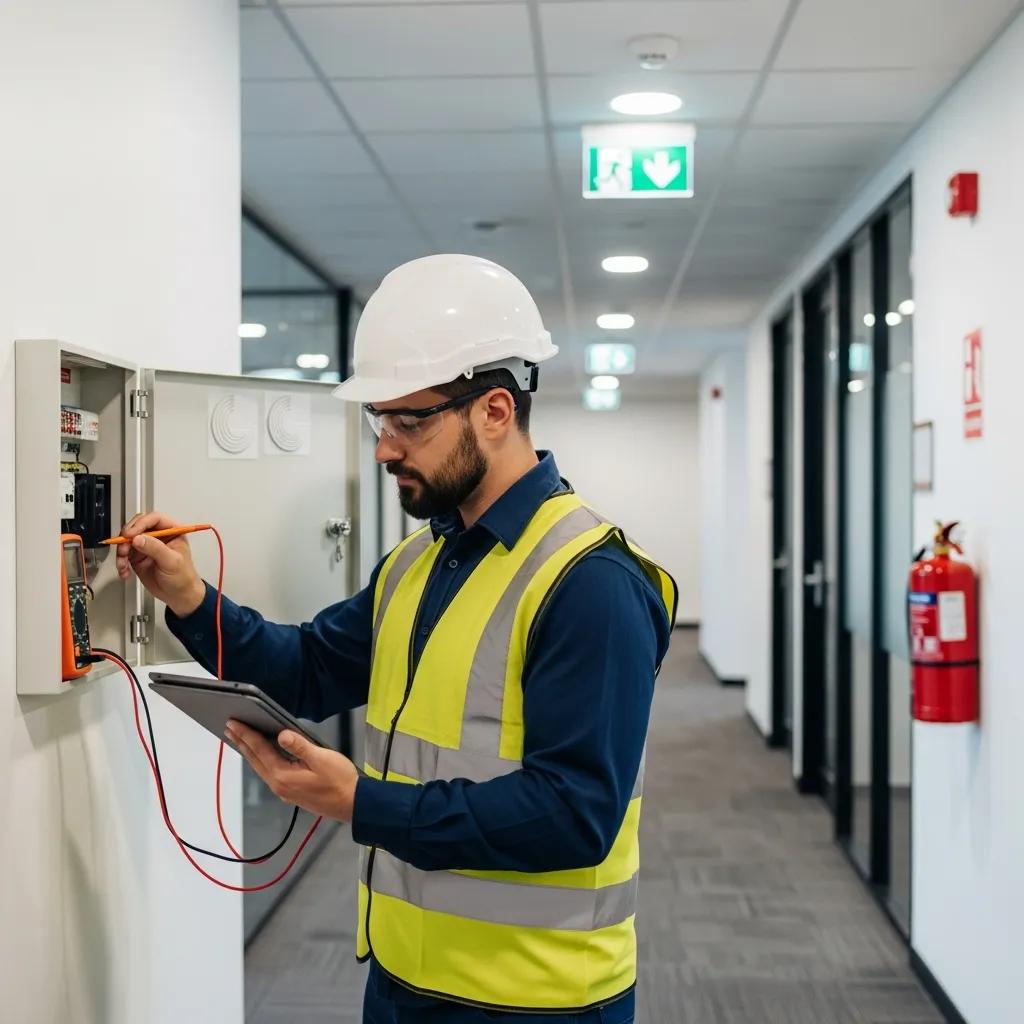
Are There Hidden Costs in Fire System Inspections? A Clear, Client-Focused Breakdown of Fire System Inspection Pricing
“Hidden” costs are the charges that don’t show up in a headline quote — call-out fees, spare parts, ADCD paperwork and administration, or after-hours surcharges that push the final invoice higher than expected. This guide explains the common sources of those costs, why they commonly appear in Abu Dhabi’s market, and how property owners can insist on transparent pricing. You’ll get the main cost drivers, a system-by-system breakdown, the contract clauses to watch, and the quantifiable risks of skipping inspections under Abu Dhabi Civil Defence (ADCD) rules. We also map practical steps to secure itemised quotes and outline how trends such as digital inspections and bundled AMCs are reshaping costs in 2025. Keywords like fire safety inspection cost transparency, fire system inspection cost Abu Dhabi, and annual maintenance contract fire safety Abu Dhabi are woven through to help you compare local providers and avoid surprises.
What Factors Influence Fire System Inspection Costs in Abu Dhabi?
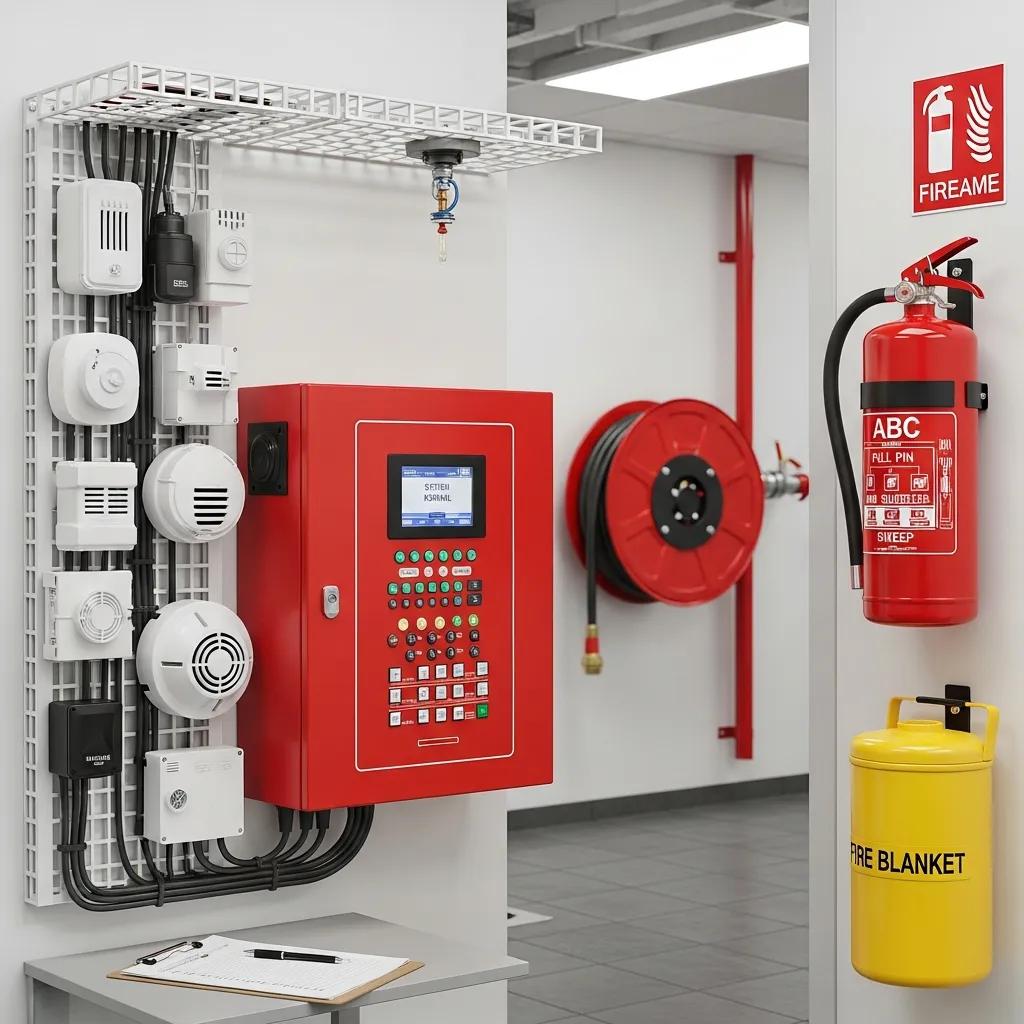
Inspection and maintenance prices come from a mix of technical scope, regulatory requirements and site-specific challenges. In Abu Dhabi, ADCD inspections, fitness certificate processes and mandatory tests add administrative time and sometimes extra onsite work, which raises costs. Accessibility, device counts and system complexity — from a few standalone alarms to fully integrated detection, suppression and pump systems — change required labour hours and specialist skills, so pricing moves predictably with scale and complexity. Knowing these drivers helps owners budget and compare itemised quotes instead of accepting flat fees that can hide extras. Below we break those drivers into a concise list and provide a transparent cost table with representative AED ranges for common inspection tasks.
Primary cost drivers for Abu Dhabi inspections include:
- Building size and floors: Larger footprints and multiple levels increase inspection time and manpower needs.
- System complexity: Integrated panels, networked detectors and suppression systems need specialist testing.
- Device count: Each detector, sprinkler head and extinguisher adds per‑device time and reporting work.
- Accessibility and permits: Hard-to-reach devices or required ADCD permits add labour and administration.
- Scope of services: A basic inspection differs from a full AMC that includes testing, calibration and pump runs.
These factors compound: a large, complex building usually requires more time and higher-skilled technicians, which pushes quotes into higher tiers.
Breaking down the costs — a transparent view: the table below offers a quick comparison of typical inspection services and representative AED ranges so you can set expectations and request itemised quotes.
| Service | Typical Scope | Representative AED Range |
|---|---|---|
| Fire alarm inspection | Small system (up to 50 devices): visual check, panel tests, detector inspections | 800 – 2,500 |
| Sprinkler system inspection | Head checks, valve operation, leak inspection; medium systems | 1,500 – 4,500 |
| Fire extinguisher maintenance | Visual check, pressure test, tagging per unit | 25 – 100 per unit |
| Emergency lighting testing | Function test, battery check, circuit verification | 500 – 1,800 |
| Fire pump testing | Flow/run tests, pressure checks, performance certification | 2,000 – 6,000 |
The table shows that systems with mechanical or hydraulic parts — sprinklers and pumps — usually cost more to inspect because they need specialist tests and longer onsite time. Next, we’ll translate building size and system complexity into practical pricing scenarios.
How Do Building Size and System Complexity Affect Inspection Pricing?
Size and complexity determine technician hours, the number of site visits and the need for specialist equipment — all of which shape the final price. A small office with a simple alarm and a few detectors typically needs one technician and can be completed in a few hours. A large commercial complex with integrated alarms, smoke control and sprinklers requires multiple specialists and staged visits. As a rule of thumb: a 30‑device small office sits in the lower price band, a 200‑device retail outlet is mid‑range, and a 1,000+ device site usually needs bespoke AMC pricing and scheduled staged testing. Complex systems also raise the chance of parts replacement and calibration, which can be extra unless covered by a fixed‑fee AMC. Asking for device‑based or tiered pricing helps align cost with actual workload and reduces scope ambiguity.
Which Fire Safety Systems Impact the Overall Inspection Cost?
Different systems demand different tests: electronic fire alarms need control‑panel diagnostics and detector sweeps; sprinkler systems require hydraulic checks and valve inspections; suppression systems (for example FM‑200 or CO2) need agent verification and pressure testing. Mechanical components — pumps and hydrants — usually require lengthy performance tests and specialised equipment, making them costlier than visual checks such as extinguisher inspections. The table above gives relative ranges, but bundled AMCs can lower per‑system unit costs by consolidating technician time and travel. When comparing quotes, confirm whether pump or suppression testing is included or billed as a separate certified test to avoid surprise charges.
How Can Clients Identify and Avoid Hidden Fees in Fire Safety Inspections?
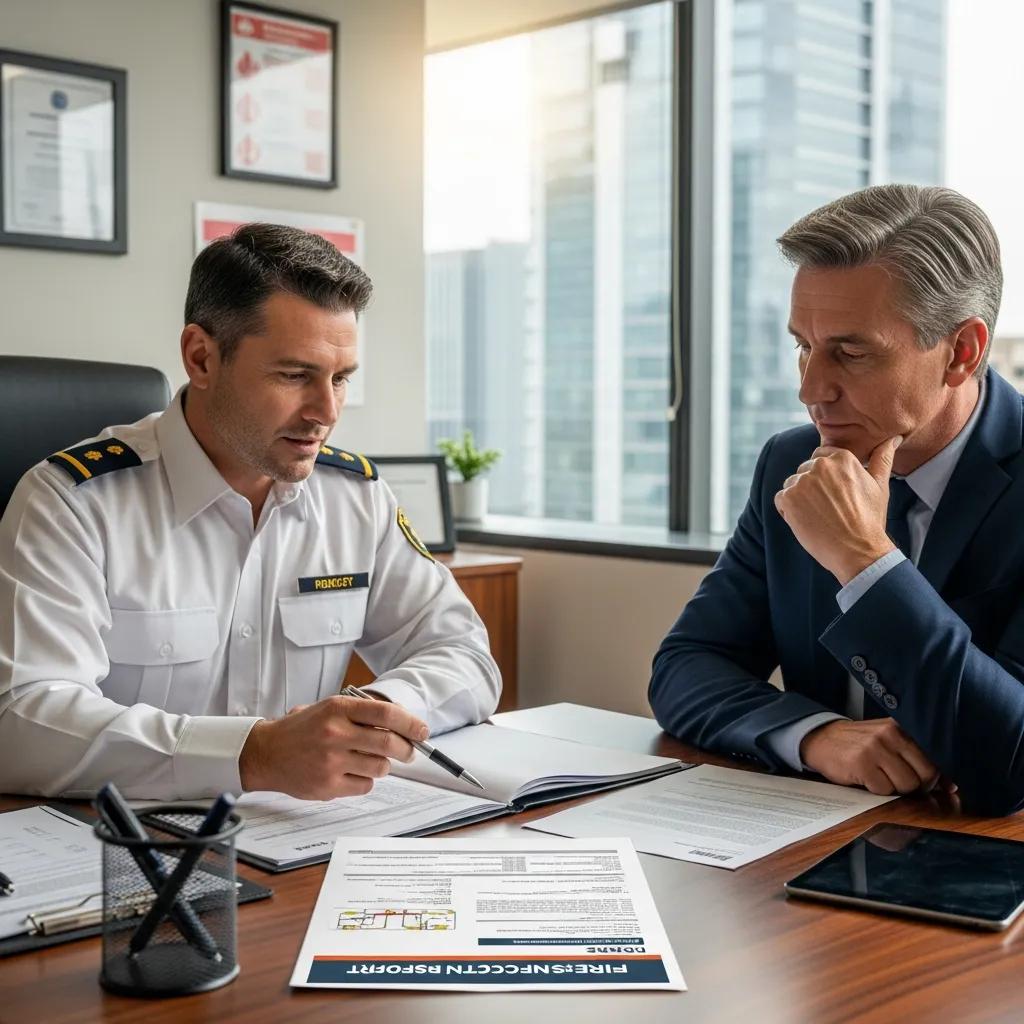
Hidden fees often appear when contract scopes are vague, when providers bill separately for parts or emergency call‑outs, or when travel and standby time are charged on top. Transparent pricing prevents surprises by using clear itemisation, a stated exclusions list and an approval workflow for out‑of‑scope work. Request quotes that break down labour, per‑device testing, travel, parts and regulatory paperwork. The checklist below highlights contract items to verify and includes negotiation tips to close ambiguous loopholes before you sign. Clear, written inclusions and approval steps reduce disputes and align expectations between owner and provider.
Key checklist to spot hidden fees:
- Inclusions and exclusions: Confirm which tests and reports are included and which are extras.
- Parts and consumables policy: Ask if common replacements (fuses, lamps, batteries) are charged separately.
- Call-out and emergency rates: Verify after‑hours or urgent rectification fees and guaranteed response times.
- Travel and standby charges: Ensure travel time or vehicle fees are either stated or included in the AMC.
- Approval workflow for extras: Require written client approval before any additional work is carried out.
Using this checklist in negotiations lets clients request an itemised fixed‑fee AMC or a clearly defined per‑item rate card to avoid surprise invoices. The next section lists common hidden charges and how they typically appear in quotes.
What Are Common Hidden Charges in Fire System Maintenance Contracts?
Hidden charges often show up as ambiguous line items or omissions in the quoted scope: emergency rectification outside scheduled visits, parts replacement billed with high markups, travel time for remote sites, and admin fees for ADCD submissions. Providers may advertise a low base inspection fee but reserve the right to bill separately for consumables or parts without price caps, creating uncertainty. A simple example: a base inspection quoted cheaply can later include “materials and parts” and an “urgent call‑out” surcharge after a weekend fault, doubling the expected cost. Asking for capped rates or pre‑approved labour/parts thresholds keeps costs predictable and reduces the chance of unilateral surprise charges.
How Does Transparent Pricing Prevent Unexpected Fire Inspection Costs?
Transparent pricing sets an explicit scope, itemised costs and a documented approval process for extras, protecting clients from unforeseen invoices. An itemised quote shows unit costs per device, per test and per hour so you can confirm services match regulatory needs. Clear providers also declare parts markups, emergency response rates and any travel surcharges up front, and provide the paperwork needed for ADCD filings. Requiring these elements in writing reduces disputes and ensures additional work only proceeds after client approval. The next section quantifies the risks of skipping inspections to show why transparent maintenance planning matters.
What Are the Real Risks and Costs of Skipping Fire System Inspections?
Skipping or delaying inspections can save money short term but often leads to larger downstream costs: regulatory fines, higher insurance premiums, major repair bills and operational downtime after incidents. The mechanism is straightforward — neglected systems degrade, unnoticed faults escalate into failures, and failures trigger enforcement action and costly emergency repairs that far exceed routine maintenance budgets. Quantifying these risks helps owners treat an AMC as risk transfer and continuity planning rather than a discretionary expense. The table below lists typical risks, their consequences and estimated financial impacts to make those trade‑offs tangible.
| Risk | Consequence | Estimated Cost/Impact |
|---|---|---|
| ADCD fines & enforcement | Monetary penalties, forced downtime, mandated remediation | AED 5,000 – 50,000+ depending on violation |
| Equipment failure escalation | Replacement of pumps, panels, suppression agents | AED 10,000 – 200,000+ for major systems |
| Operational downtime | Business interruption and lost revenue | Variable; often multiple days of income loss |
| Insurance premium increases | Higher ongoing cost or reduced coverage | Premium hikes or claim rejections possible |
The table shows that regulatory penalties and replacement costs often dwarf routine inspection fees, especially when failures spread through a system. Next, we look at ADCD enforcement mechanics and how penalties affect business continuity.
How Do Fines and Penalties from Abu Dhabi Civil Defence Impact Businesses?
Abu Dhabi Civil Defence (ADCD) enforces fire safety through inspections, fitness certificate requirements and penalties for non‑compliance, creating mandatory reporting and certification steps facilities must meet. When ADCD finds deficiencies during audits or post‑incident checks, businesses can face fines, remediation orders and temporary closure until compliance is proven — all of which disrupt operations. These enforcement actions can also complicate insurance claims if maintenance and certification records are missing, sometimes resulting in claim denials. Keeping inspections current, maintaining accurate records and holding valid fitness certificates reduces regulatory risk and supports insurance claims, helping protect business continuity.
What Are the Operational and Safety Risks of Neglecting Fire Maintenance?
Neglecting maintenance raises the chance of undetected faults — sensor drift, failing pumps or blocked sprinkler heads — which increases the likelihood of a fire incident or ineffective suppression when it matters. Operationally, failures drive emergency repairs and extended downtime, costing far more than scheduled upkeep and damaging customer trust and regulatory standing. From a safety perspective, degraded systems increase occupant risk and the owner’s liability if injury or loss occurs. Regular inspections and documented service records reduce operational and legal exposure while extending the asset’s useful life.
How Does Amples Fire & Safety LLC Ensure Transparent Pricing and Compliance?
Amples Fire & Safety LLC serves Abu Dhabi, Al Ain and the Western Region, specialising in annual maintenance for fire and safety systems — commonly offered as Firefighting AMC. We prioritise transparency with itemised AMCs, 24/7 response and on‑site immediate rectification where feasible to reduce follow‑up visits and minimise surprise costs. Our in‑house technical team works across multiple brands and supports ADCD compliance, including fitness certificate assistance and AMC approvals. The table below outlines typical AMC inclusions versus common exclusions so clients can compare packages and ask the same questions of other providers.
Intro to the AMC inclusions table: The table shows core AMC components, their frequency or scope, and whether Amples normally includes them or charges extra, helping clients understand what a transparent package should cover.
| AMC Component | Frequency/Scope | Included / Additional charge |
|---|---|---|
| Routine inspections & testing | Annual / per ADCD schedule | Included |
| Emergency 24/7 response | On-call rapid deployment | Included (subject to scope) |
| On-site immediate rectification | Minor repairs during visit | Included where feasible |
| Parts & consumables | Batteries, lamps, small parts | Typically additional charge |
| ADCD fitness certificate support | Documentation and approvals | Included as advisory support |
This table aims to avoid ambiguity — clients should confirm parts policies and any capped rates in writing. The next section explains how Amples supports ADCD compliance and the documentation you can expect.
What Is Included in Amples’ Annual Fire System Maintenance Packages?
Our AMC typically covers scheduled inspections, control‑panel diagnostics, device testing, emergency lighting checks and a documented reporting process aligned with ADCD expectations. Where possible, we carry out immediate on‑site rectification of minor faults during the visit to reduce separate call‑outs and cumulative costs. Routine consumables and major parts replacements are usually excluded and billed separately, but we communicate clearly and seek written approval before proceeding with additional work. In short: the baseline AMC covers scheduled tests and reporting, while larger items are quoted with pre‑approval workflows to avoid surprises.
How Does Amples Support Clients in Meeting ADCD Compliance Requirements?
We prepare inspection reports formatted for ADCD submissions and advise on the documentation needed for fitness certificates and AMC approvals. Our technical team identifies likely deficiencies before an ADCD audit and can prioritise rectifications to meet compliance deadlines, reducing the risk of penalties. We also keep auditable records of test results and remediation actions to support insurance and regulatory reviews. This compliance support is part of our value proposition: practical, documented assistance that lowers regulatory risk and clarifies the scope of required maintenance.
How Can Clients Get a Clear and Detailed Fire System Inspection Quote?
A transparent, accurate quote starts with the right building and system information and an insistence on itemised pricing that separates labour, per‑device costs, parts, travel and admin fees. A good quote lists unit prices, visit frequency, ADCD reporting duties and the approval process for extras so you can compare bids on the same basis instead of headline prices alone. The checklist below lists the client details that speed quoting and reduce follow‑up charges, followed by a short outline of what a high‑quality quote includes and how Amples provides a no‑obligation estimate.
Essential client inputs for accurate estimates:
- Floor plans and gross area: Shows size and access complexity.
- System inventory: Device counts for detectors, alarms, sprinklers, pumps and extinguishers.
- System drawings and previous reports: Reveal past issues and testing history.
- Access constraints and working hours: Define logistics and potential overtime costs.
- ADCD fitness certificate status: Indicates regulatory starting point and prior deficiencies.
Providing these details upfront usually reduces the need for extra site visits and lowers the chance of hidden charges. The next section explains Amples’ quote process and what to expect from a transparent, no‑obligation estimate.
What Information Is Needed to Receive an Accurate Cost Estimate?
An accurate estimate needs floor plans, a detailed device inventory, recent maintenance records and clear information about site access and working windows. These inputs let providers calculate labour and time precisely. Device counts allow per‑device pricing or tiered packages, while past reports highlight likely rectifications that may be quoted separately. Stating ADCD status and whether fitness certificates are current clarifies whether immediate remediation might be required. Giving this information helps prospective providers prepare itemised quotes and reduces surprises when technicians arrive.
How Does Amples Provide Transparent, No-Obligation Quotes?
We offer a no‑obligation quote process that uses your documentation plus an on‑site assessment if needed, and returns an itemised estimate listing inspections, tests, emergency response terms and parts policies. Quotes state visit frequency and show which tasks sit inside the AMC versus those billed separately, and they spell out the approval process for extras — removing ambiguity and aligning expectations. We also highlight ADCD compliance activities in the quote so you see the regulatory work included and any fees for mandated certification. You receive a written, itemised proposal to review before committing.
What Are the Latest Trends and Cost Insights for Fire System Maintenance in 2025?
In 2025, digital inspection workflows, data‑driven maintenance scheduling and bundled service packages are shifting the cost equation by reducing repeat visits and catching faults before they escalate. Mobile reporting and cloud records cut admin time and speed ADCD submissions, while predictive maintenance reduces reactive repair costs by addressing wear early. Bundled AMCs that combine inspections, parts provisioning and emergency response continue to deliver economies of scale compared with ad‑hoc contractors, lowering per‑test costs and improving response times. The sections below explain how digitalisation delivers savings and why bundled services improve cost efficiency.
Key trends affecting 2025 maintenance costs include:
- Digital inspections: Faster reporting and fewer repeat visits reduce labour costs.
- Predictive maintenance: Data‑driven scheduling prevents escalation and cuts replacement rates.
- Bundled AMCs: Consolidated services reduce unit costs and improve response times.
These trends move spending from reactive fixes toward ongoing asset protection, improving long‑term cost predictability and safety outcomes.
How Are Digital Inspection Processes Reducing Fire System Maintenance Costs?
Digital tools replace paper with mobile checklists, photos and cloud storage, reducing admin time and speeding ADCD reporting and fitness certificate preparation. Traceable records shorten compliance cycles and lower follow‑up visits because technicians can diagnose issues faster using historical data. Digital logs also enable predictive maintenance by flagging components that show repeated marginal performance so you can replace them before failure. The cumulative effect is fewer emergency call‑outs, reduced labour hours and more consistent compliance documentation to support insurance and regulatory reviews.
What Are the Benefits of Bundled Fire Protection Services for Cost Efficiency?
Bundled services that combine scheduled inspections, maintenance and emergency response create economies of scale: a single provider consolidates travel, reduces handoffs and streamlines reporting, which lowers unit costs versus hiring multiple contractors. Bundling improves continuity because the same technical team knows your system history and can resolve issues faster during emergencies. When bundled AMCs include ADCD support and documented reporting, clients also gain regulatory assurance without separate admin contracts. For many facilities, bundled agreements deliver predictable annual budgeting and a lower total cost of ownership for fire protection assets.
الأسئلة الشائعة
1. What should I look for in a fire system inspection contract?
Look for a clear list of inclusions and exclusions. Make sure routine inspections and emergency responses are defined, and check how parts replacements, travel fees and after‑hours work are handled. Insist on a written approval process for any extra work so you don’t receive unexpected charges.
2. How often should fire system inspections be conducted?
Inspection frequency depends on ADCD rules and your site’s risk profile. Annual inspections are common, but certain systems or high‑risk environments may need more frequent checks. Discuss your facility’s needs with your provider to establish the right schedule.
3. What are the potential consequences of not maintaining fire safety systems?
Failing to maintain systems can lead to increased fire risk, regulatory fines and higher insurance costs. Undetected faults can escalate into major failures, causing costly repairs and downtime. Regular maintenance protects people, assets and regulatory standing.
4. How can I ensure that I receive a fair quote for fire system inspections?
Provide detailed building information — floor plans, device counts and past maintenance records — and request itemised quotes that separate labour, parts and admin fees. Clear, comparable quotes make it easier to spot hidden charges and choose the right provider.
5. What role does technology play in modern fire system inspections?
Technology improves efficiency through digital reporting, mobile checklists and cloud records. These tools reduce admin time, support predictive maintenance and speed compliance reporting, delivering cost savings and more reliable safety outcomes.
6. Are there specific regulations I need to be aware of for fire system inspections in Abu Dhabi?
Yes — inspections and maintenance must meet Abu Dhabi Civil Defence (ADCD) regulations. Stay up to date with ADCD requirements and use a provider that understands local compliance and paperwork for fitness certificates and AMC approvals.
7. What are the benefits of having an annual maintenance contract (AMC) for fire safety systems?
An AMC provides predictable budgeting, regular inspections and priority emergency response. With a single provider familiar with your systems, you often get faster repairs and consistent documentation — reducing the risk of surprises and improving long‑term asset health.
خاتمة
Knowing the common hidden costs in fire system inspections helps building owners in Abu Dhabi make smarter choices and avoid surprise bills. Prioritise itemised, transparent quotes and clear contract terms to ensure regulatory compliance and protect your assets. Working with an experienced, transparent provider like Amples Fire & Safety LLC streamlines inspections and strengthens safety. Ready to get clarity? Request a detailed, no‑obligation quote today.