
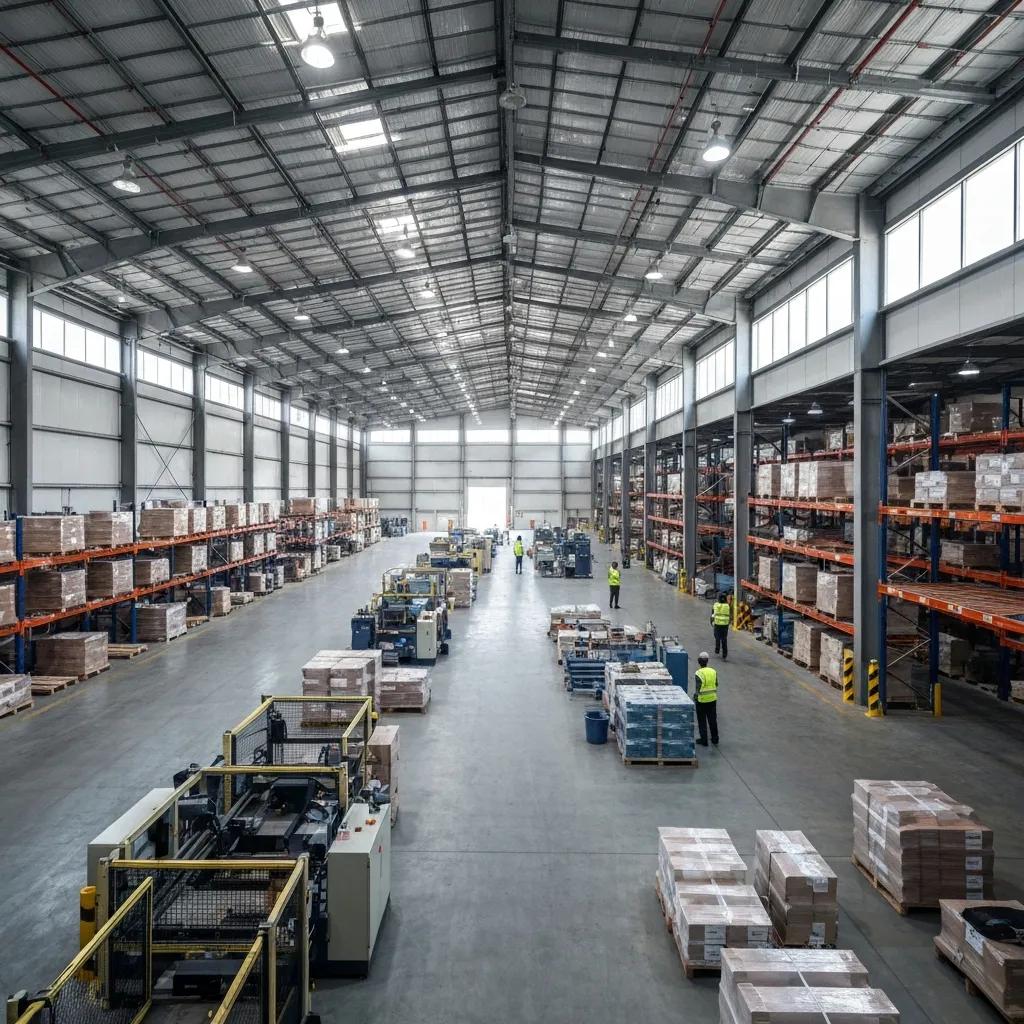
Comprehensive Guide to Commercial Fire Safety Inspections in Abu Dhabi
A commercial fire safety inspection in Abu Dhabi verifies that a building meets regulatory standards and protects people, assets and business operations from fire risk. This guide explains why inspections matter, how they align with Abu Dhabi Civil Defence (ADCD) rules and the UAE Fire and Life Safety Code, and what steps businesses must take to secure a fitness certificate. If you manage a property and are unsure about inspection types, maintenance schedules or required paperwork, this article gives practical steps, clear checklists and side-by-side comparisons to remove the guesswork. You’ll find the key regulations, inspection categories and frequencies, system-level maintenance best practices, the ADCD approval process, and advice on choosing a certified provider and an Annual Maintenance Contract (AMC). We reference 2025 guidance on testing intervals, IoT monitoring trends and compliance workflows so you can prioritise actions that reduce enforcement risk and improve life-safety outcomes.
ما هي لوائح السلامة من الحرائق الرئيسية للشركات في أبوظبي؟
Fire safety in Abu Dhabi is enforced by ADCD and governed by the UAE Fire and Life Safety Code. Together they define required systems, testing intervals, recordkeeping and the criteria for issuing fitness certificates. Regulations expect functioning detection and alarm systems, approved suppression where needed, unobstructed egress with illuminated signage, reliable emergency lighting and documented maintenance records showing ongoing compliance. Following these rules lowers legal risk and improves evacuation outcomes — and helps speed ADCD approvals and avoid fines. Understanding the regulations lets you align inspections and maintenance so tests, records and corrective actions meet ADCD checkpoints; the next section explains how ADCD enforces compliance.
How Does the Abu Dhabi Civil Defence Regulate Fire Safety Compliance?
Abu Dhabi Civil Defence (ADCD) handles approvals, inspections and enforcement for commercial properties and issues fitness certificates when premises meet code requirements. Inspectors review physical systems — fire alarm control panels, detectors, sprinklers, pumps, extinguishers and emergency lighting — and examine paperwork such as maintenance logs, test certificates and evacuation plans. They also verify submitted drawings against on-site conditions. Non-compliance can lead to fitness-certificate refusal, stop-work orders, fines or mandated remedial works, so preparation is essential. Organise records and pre-test systems before ADCD visits to shorten inspection time and reduce corrective orders; proactive maintenance planning is the best way to avoid surprises.
ما هي المتطلبات الرئيسية لقانون السلامة من الحرائق والحياة في دولة الإمارات العربية المتحدة؟
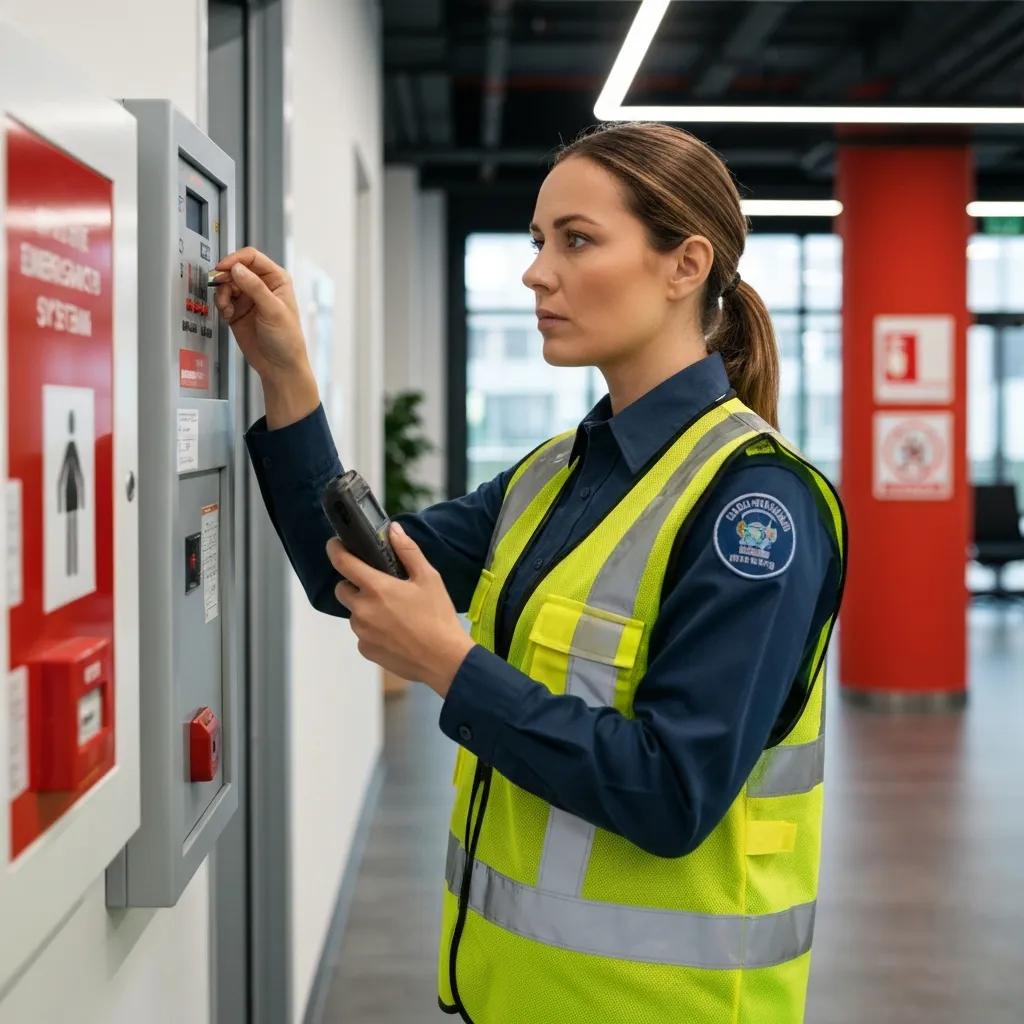
The UAE Fire and Life Safety Code requires core protection systems — automatic detection and alarm systems, approved suppression where applicable, portable extinguishers, emergency lighting and clear egress routes — plus defined testing and maintenance intervals. The code mandates recordkeeping for all inspections, repairs and tests, requires competent personnel to perform work, and sets performance standards for pumps, risers and alarm response times. Recent 2025 updates stress more frequent emergency-lighting and battery checks, clearer documentation formats for ADCD review, and stronger expectations for AMC-backed service records. Compliance depends on scheduled tests, accurate maintenance logs and documented corrective actions you can present during ADCD reviews and audits.
These ADCD and UAE code essentials flow directly into selecting the right inspection schedule and defining each inspection’s scope.
Which Types of Commercial Fire Safety Inspections Are Required in Abu Dhabi?
Commercial buildings in Abu Dhabi typically undergo three core inspection types — annual inspections, pre-occupancy inspections and routine audits — each with a distinct scope, frequency and regulatory weight. Annual inspections confirm full system functionality and documentation for fitness-certificate renewals. Pre-occupancy inspections verify readiness at handover or after major refurbishments. Routine audits monitor ongoing performance and corrective-action follow-through. Knowing which inspection applies and when helps facility managers plan service windows and ADCD submissions; the table below compares these inspection types so you can choose the right schedule.
| Inspection Type | نِطَاق | Frequency / ADCD Relevance |
|---|---|---|
| Annual Inspection | Comprehensive systems check (alarms, sprinklers, pumps, extinguishers, emergency lighting) plus records review | Required annually for fitness-certificate renewal; high ADCD relevance (adcda.gov.ae) |
| Pre-Occupancy Inspection | Full handover verification including installations, layouts and commissioning reports | Triggered before occupancy or after major handover; ADCD inspects for certificate issuance (adcda.gov.ae) |
| Routine Audit | Targeted checks, spot tests, document audits and corrective-action verification | Performed quarterly or semi-annually by providers or in-house teams; supports ADCD readiness (adcda.gov.ae) |
This comparison helps you decide which inspection to schedule by project stage or operational need, and leads into a detailed look at what an annual inspection covers.
What Is Included in an Annual Fire Safety Inspection?
An annual inspection is a full-system review: fire alarm functionality and detector sensitivity, sprinkler and riser integrity, fire pump performance, the condition of portable extinguishers, and emergency-lighting duration and coverage. Inspectors also check maintenance logs, previously recorded corrective actions, evacuation plans and staff training records. Pass criteria generally require systems to be fully operational and any outstanding issues to be documented and resolved. Common failures include expired extinguisher hydrotests, batteries beyond service life, obstructed egress routes and pump-pressure shortfalls — each must be rectified and documented before a fitness certificate is granted. Preparing test records and repair invoices in advance shortens review time and raises the chance of passing ADCD inspection.
How Do Pre-Occupancy and Routine Fire Safety Audits Differ?
Pre-occupancy inspections are typically more exhaustive because they confirm correct installation, as-built drawings, commissioning certificates and system integration before handover. Routine audits focus on operational performance: confirming scheduled maintenance occurred, corrective actions were completed and logs are current. Audits usually don’t include full commissioning tests. Pre-occupancy reviews involve contractors, consultants and ADCD sign-off; routine audits are carried out by facilities teams or certified providers to sustain compliance. Knowing the difference helps you decide whether contractor rework is needed or if scheduled servicing and updated records will satisfy ADCD.
How Is Commercial Fire System Maintenance Conducted in Abu Dhabi?
Maintenance follows system-specific test methods, defined intervals and clear pass/fail criteria to meet ADCD and UAE code standards — and every action should be documented for traceability. Best practice is to map each system — fire alarm, sprinklers, extinguishers, emergency lighting — to a testing calendar with assigned owners and recorded outcomes. Preventive maintenance reduces failure risk, while prompt corrective action and certified testing support fitness-certificate submissions. The table below compares typical maintenance tasks across core systems to help prioritise service planning and AMC deliverables.
| نظام | يصف | Typical Requirement |
|---|---|---|
| نظام إنذار الحريق | Test Method | Functional tests, detector sensitivity checks and panel diagnostics monthly/quarterly (adcda.gov.ae) |
| Sprinkler & Pumps | Test Method | Visual inspections, flow checks and pump-run tests monthly/annually (adcda.gov.ae) |
| Portable Extinguishers | Test Method | Monthly visual checks, annual servicing and hydrostatic tests on manufacturer-prescribed cycles (adcda.gov.ae) |
| الإضاءة الطارئة | Test Method | Monthly duration and battery checks, plus annual full-discharge tests (adcda.gov.ae) |
This structured view shows each system needs a mix of visual, functional and full-duration tests, which leads into best-practice guidance for fire alarm upkeep.
What Are the Best Practices for Fire Alarm System Maintenance?
Keep fire alarms reliable with scheduled detector cleaning, sensitivity checks, control-panel health reviews, backup-battery testing and event-log audits to confirm faults are closed out. Daily or weekly visual checks by on-site staff catch obvious issues, while certified technicians conduct monthly and annual functional tests to verify alarm transmission, zone response and fault isolation. Maintain a chronological log of test results, corrective actions and technician signatures to meet ADCD recordkeeping expectations and speed inspections. Regular diagnostics and firmware updates, paired with clear handover documentation, reduce false alarms and ensure dependable detection — supporting both safety and compliance.
How Are Sprinkler Systems and Fire Extinguishers Serviced and Tested?
Sprinkler systems require visual inspection of heads and piping, quarterly flow and alarm-valve checks, and annual pump performance and full-flow tests; dry and deluge systems need additional specialist checks. Portable extinguishers require monthly visual inspections, annual servicing and maintenance, and hydrostatic testing on manufacturer- or type-specific cycles; tags and records must show last service dates. Common defects include corroded heads, valve obstructions, worn pump bearings and extinguishers that have lost pressure — each must be repaired immediately and documented for ADCD audits. Correct labelling, accessibility and up-to-date recharge or hydrotest certificates help demonstrate compliance during inspections.
Why Is Emergency Lighting and Exit Signage Testing Crucial for Compliance?
Testing emergency lighting and exit signage ensures escape routes stay illuminated and signs remain visible for the required duration during mains failure, meeting UAE code and ADCD expectations. Monthly lamp checks and annual full-discharge battery tests verify capacity and battery health; records should show measured durations and any replacements. Emergency-lighting failures frequently trigger non-compliance findings because they directly affect occupant egress, making these tests common ADCD checkpoints. A maintained log of test results and corrective actions keeps you inspection-ready and improves evacuation reliability.
How Can Businesses Obtain Abu Dhabi Civil Defence Approval and Fire Safety Certificates?
Securing ADCD approval and a fitness certificate requires preparing the right documents and evidence, submitting a complete application package, scheduling inspections and addressing any remedial items ADCD raises. The process centres on proving system functionality, up-to-date maintenance records, compliant as-built drawings and sign-off from competent personnel. Prompt follow-up on inspector comments and rapid rectification of defects shortens approval timelines and reduces administrative back-and-forth. The numbered checklist below is an ordered workflow to pursue ADCD fitness certification efficiently.
Follow these steps to prepare and submit your ADCD fitness-certificate application.
- Gather pre-submission documents: as-built drawings, commissioning reports, maintenance logs, evacuation plans and technician qualifications.
- Complete pre-inspection tests and corrective actions so systems meet code and records are current.
- Submit the application package to ADCD with required forms and supporting evidence, then schedule the inspection.
- Host the ADCD inspection, provide access to systems and records, and note any inspector comments for immediate action.
- Resolve any non-compliance items, resubmit evidence if requested, and receive the fitness certificate once approved.
Working through these steps in order reduces rejections and aligns your documentation with ADCD checkpoints; next we explain how an Annual Maintenance Contract supports this workflow.
What Is the Step-by-Step Process to Secure ADCD Fitness Certificates?
Begin with an audit of systems and records to identify gaps against the UAE Fire and Life Safety Code, then complete any outstanding tests or repairs before submission. Put together a tidy application packet with certified test reports, maintenance logs, evacuation-drill evidence and contact details for responsible technicians to speed ADCD review. Schedule the inspection, accompany inspectors and record observations immediately; follow up with certified repair reports and updated logs to show remediation. When ADCD confirms compliance, the fitness certificate is issued — and keeping continuous records under an AMC makes future renewals simpler.
How Does an Annual Maintenance Contract Facilitate Compliance?
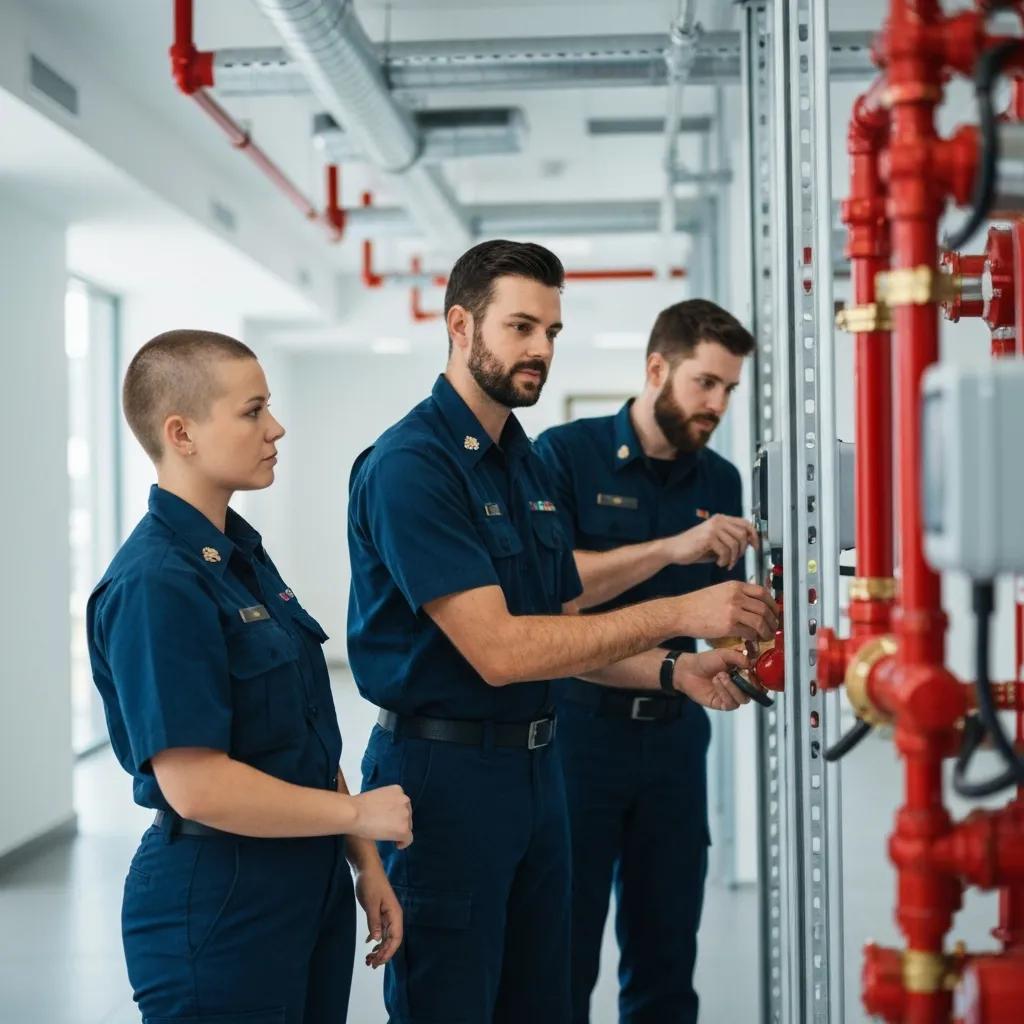
أن عقد الصيانة السنوية (AMC) synchronises routine testing schedules and corrective-action workflows with ADCD requirements, ensuring tests are completed and evidence is recorded consistently. AMCs typically include scheduled visits, emergency call-outs, consolidated service reports and a single audit contact — features that simplify fitness-certificate renewals. Regular test records and prompt remediation reduce the administrative load on facility teams and improve first-time pass rates at ADCD inspections. Mapping AMC deliverables to ADCD checkpoints makes renewals predictable and sustains continuous compliance.
What Are the Benefits of Partnering with a Certified Fire Safety Company in Abu Dhabi?
Working with a certified fire-safety company brings compliance certainty, faster remediation and expert guidance that keeps systems aligned with code updates and ADCD expectations. Certified providers supply trained technicians, structured maintenance programmes and audit-ready documentation that improve inspection outcomes and operational resilience. Using a single trusted provider centralises accountability for tests, corrective actions and recordkeeping, simplifying ADCD interactions and reducing the risk of fragmented maintenance. The table below links common services to typical outcomes so you can assess provider impact.
| Service | فائدة | Typical Outcome |
|---|---|---|
| Annual Maintenance Contract (AMC) | Consistent testing & records | Higher pass rates for ADCD inspections (adcda.gov.ae) |
| 24/7 Emergency Response | Rapid on-site rectification | Reduced downtime and damage (adcda.gov.ae) |
| ADCD Liaison & Fitness Support | Application and approval assistance | Faster certificate issuance (adcda.gov.ae) |
Those service outcomes translate into operational continuity and compliance reliability; the list below highlights practical provider advantages and core capabilities.
Partnering with a certified company delivers several clear benefits:
- Compliance Assurance: Providers align maintenance schedules and records with ADCD and UAE code requirements.
- Faster Remediation: 24/7 response and on-site repairs reduce business disruption.
- Technical Expertise: In-house teams support multi-brand systems with consistent workmanship.
Choosing the right partner lowers inspection risk and preserves continuity; the next sections look closer at emergency response and the value of in-house teams.
How Does 24/7 Emergency Response Enhance Fire Safety?
24/7 emergency response shortens the time between fault detection and on-site corrective work, limiting equipment downtime and reducing operational disruption. Rapid mobilisation restores critical systems — pumps, alarm panels and similar — quickly and provides temporary measures when full repairs take longer. From a compliance perspective, fast response with documented actions demonstrates proactive management to ADCD and supports your case during audits. Reliable emergency support is therefore a key risk-mitigation measure for mission-critical operations.
Why Choose Experienced In-House Teams for Fire Safety Maintenance?
Experienced in-house teams provide tighter quality control and quicker mobilisation than fragmented subcontractor models because institutional knowledge and multi-brand experience stay within one organisation. In-house technicians follow consistent diagnostic methods, maintain unified documentation formats and expedite complex troubleshooting across integrated systems. That continuity reduces repeat failures, improves record accuracy for ADCD inspections and raises accountability when corrective work is required. For organisations prioritising reliability and a single point of contact, in-house teams deliver measurable improvements in quality and response time.
How Are Fire Safety Solutions Tailored for Different Commercial Industries in Abu Dhabi?
Fire safety should be tailored to each industry’s risk profile — construction and oil & gas need more frequent inspections, specialised suppression and hot-work permit controls, while hospitality and offices prioritise discreet maintenance, clear evacuation plans and guest safety. Sector-specific tailoring alters inspection scope, testing frequency and documentation to match operational realities and ADCD checkpoints. Adding IoT monitoring and AI-driven predictive maintenance lets you focus inspections where failure risk is highest, reducing unnecessary downtime while maintaining safety. The sections that follow cover high-risk measures and hospitality/office adaptations in more detail.
What Fire Safety Measures Are Essential for High-Risk Sectors Like Construction and Oil & Gas?
High-risk sectors require tighter inspection intervals, permit-to-work systems for hot operations and specialised suppression (foam, deluge systems), plus careful isolation and testing of temporary services during construction. These industries benefit from dedicated on-site safety officers, more frequent pump and deluge testing, and integrated monitoring for fuel- or chemical-related hazards. Documented hot-work controls, contractor compliance records and ready incident-response plans are essential to satisfy ADCD and internal risk policies. Implementing these measures lowers the chance of major incidents and ensures ADCD inspections reflect robust sector-specific controls.
How Do Hospitality and Office Buildings Benefit from Customized Fire Safety Inspections?
Hotels and office buildings benefit from inspections scheduled to minimise guest and tenant disruption, phased servicing that keeps operations running and targeted checks on evacuation signage, guest-room detectors and assembly procedures. Tailored AMCs can provide night-time or off-peak maintenance windows, discreet testing protocols and tenant communication templates to protect service standards while ensuring compliance. Regular occupant-focused drills and signage audits improve evacuation outcomes and ADCD readiness without heavy operational impact. Thoughtful customisation balances life-safety priorities with the need to maintain uninterrupted service and tenant satisfaction.
Amples Fire & Safety LLC provides comprehensive AMCs, ADCD liaison support and 24/7 emergency response across Abu Dhabi, Al Ain and the Western Region. Our in-house teams service multi-brand systems, deliver immediate on-site rectification and issue documented service reports to support fitness-certificate renewals. To discuss tailored AMC options, compliance support or emergency cover, contact Amples Fire & Safety LLC at wecare@amples.co or +971588306283. Our registered address is Plot #216, Building A – Shop A02 11th St – Musaffah – M37 – Abu Dhabi – United Arab Emirates. Choosing a provider that maps services to ADCD checkpoints simplifies renewals and reduces enforcement risk.
This overview of industry-specific solutions and provider support shows how inspection planning, disciplined maintenance and structured partnerships keep people safe and buildings compliant.
الأسئلة الشائعة
What should businesses do to prepare for a fire safety inspection in Abu Dhabi?
Begin with a full audit of your fire-safety systems and documentation. Verify alarms, extinguishers and emergency lighting are operational and compliant. Organise maintenance logs, evacuation plans and technician qualifications so they are easy to present. Run pre-inspection tests and correct any issues you find — this significantly improves your chance of passing and obtaining the ADCD fitness certificate.
How often should fire safety systems be tested in commercial properties?
Testing should follow the UAE Fire and Life Safety Code. Typically, fire alarms and emergency lighting need monthly checks, while a full annual inspection is required for fitness-certificate renewal. Routine audits are commonly performed quarterly or semi-annually to maintain compliance. Exact frequencies vary by system and operational context, so adhere to the prescribed schedules to stay compliant.
What are the consequences of failing a fire safety inspection?
Failing an inspection can have serious consequences: refusal of the fitness certificate (which can halt operations), fines, stop-work orders or mandated remedial works. These outcomes disrupt business and increase liability in the event of an incident. Proactive maintenance and complete documentation are the best ways to avoid these penalties.
What role does documentation play in fire safety compliance?
Documentation is critical — it proves compliance with ADCD and the UAE Fire and Life Safety Code. Maintain maintenance logs, inspection reports and training records so inspectors can verify systems are tested and defects addressed. Incomplete or missing documentation is a frequent cause of compliance failures, so keep records organised and up to date.
How can businesses ensure continuous compliance with fire safety regulations?
Use an Annual Maintenance Contract (AMC) with a certified provider to schedule regular inspections, maintenance and testing. Conduct internal audits, keep detailed records of all activities and stay informed on regulation changes. Train staff on emergency procedures and run drills to maintain preparedness and ongoing compliance.
What are the benefits of using IoT technology in fire safety systems?
IoT integration delivers real-time monitoring and analytics that improve system performance and compliance. IoT devices send instant alerts for faults, enabling faster responses and proactive maintenance. Remote monitoring allows you to track system status from anywhere. Using IoT helps optimise inspection schedules, reduce downtime and enhance overall safety while supporting regulatory requirements.
خاتمة
Understanding commercial fire safety inspections in Abu Dhabi is essential to staying compliant and protecting people. By following the UAE Fire and Life Safety Code and working with certified providers, businesses can simplify inspections and raise safety standards. Taking proactive steps — such as putting an Annual Maintenance Contract in place — reduces the risk of non-compliance and operational disruption. For tailored advice and hands-on support, contact a certified fire-safety partner today.