
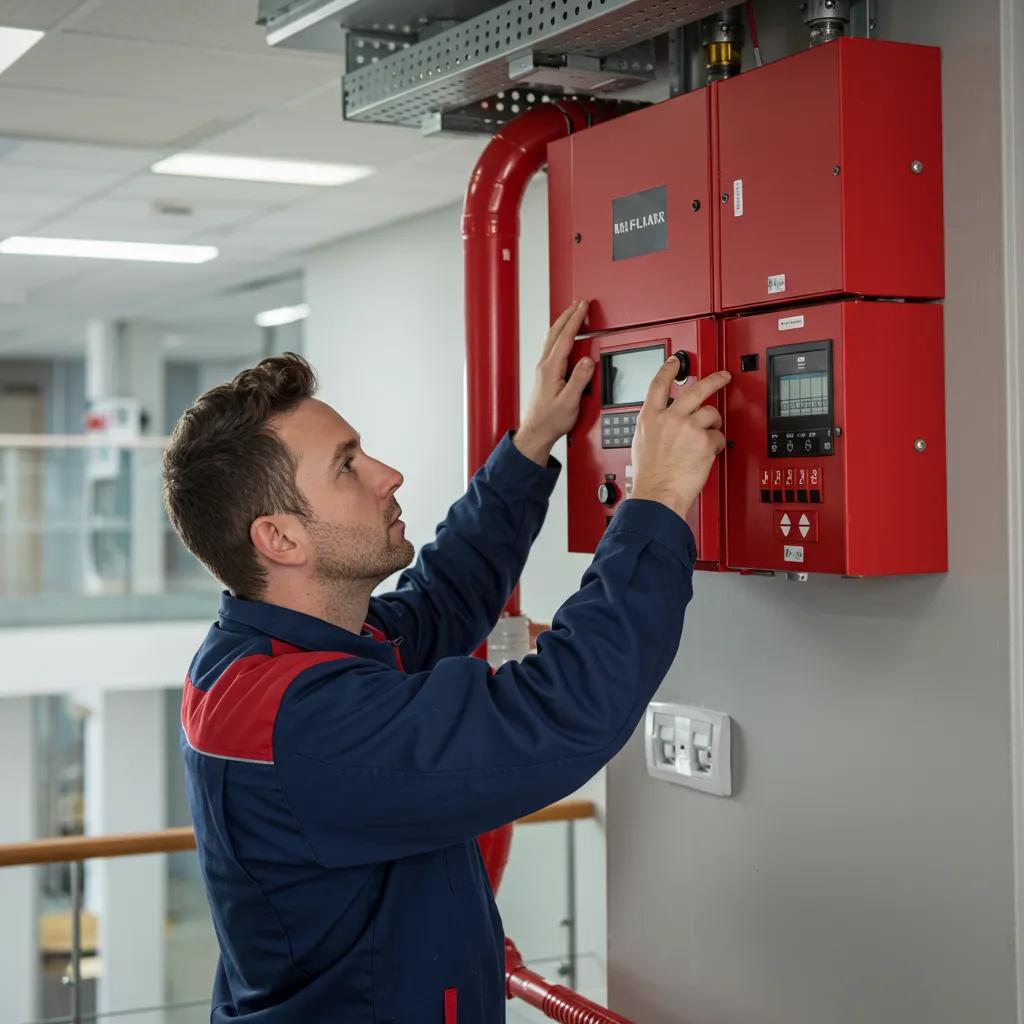
Comparing Fire Maintenance Services in Abu Dhabi: Pricing and Quality Insights From Local Providers
Fire maintenance, often referred to as an Annual Maintenance Contract (AMC), involves scheduled checks, testing, repairs, and record-keeping for fire protection systems. This ensures they’re always ready and meet all regulations. By comparing fire maintenance services based on price and quality, building managers can strike a balance between safety, compliance, and operational expenses, ultimately choosing a provider that minimizes risks while managing costs. This guide delves into what AMCs cover, how Abu Dhabi Civil Defence (ADCD) requirements influence maintenance practices, and the practical signs of service quality to look for. You’ll discover the main factors affecting AMC pricing, how to identify hidden fees, and a straightforward checklist for evaluating local providers. We also examine maintenance for specific systems like alarms, pumps, extinguishers, and emergency lighting, highlight recent advancements in predictive and remote monitoring, and answer common procurement questions, including typical costs and necessary documentation for trade license renewals. Throughout, clear comparisons and structured tables will help you understand the trade-offs, enabling you to request informed, customized quotes from qualified contractors.
Why Is Fire Maintenance Essential for Buildings in Abu Dhabi?
Fire maintenance is the ongoing program of inspections and servicing that keeps fire protection systems prepared to detect, suppress, and alert occupants, thereby reducing the chances of injury and property damage. It’s a preventive measure: regular tests and component servicing identify potential faults before they lead to system failure, ensuring reliability and minimizing downtime. The direct benefits are twofold: meeting ADCD regulatory requirements and safeguarding occupants. Therefore, regular AMCs are crucial for operational and legal continuity. Understanding the importance of maintenance sets the stage for effective procurement and helps managers prioritize compliance and resilience.
What Are the Key Benefits of Annual Fire Safety Maintenance?
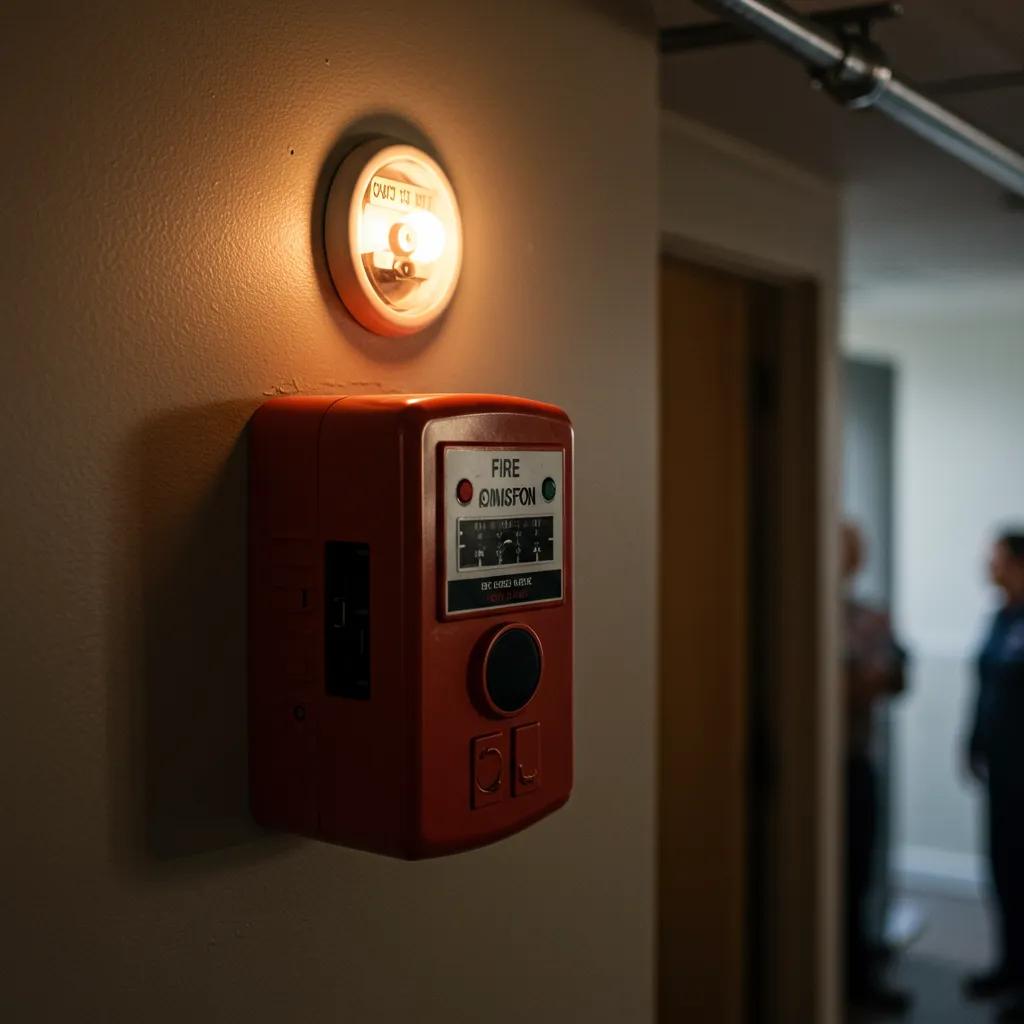
Annual fire safety maintenance offers tangible benefits in safety, compliance, and cost savings by ensuring systems function when needed, documenting service history, and extending equipment lifespan. Routine inspections and preventive repairs reduce false alarms and improve detection accuracy, leading to fewer disruptions and lower emergency response expenses. Documented maintenance provides traceable evidence of due diligence, which is vital for insurance claims and trade license requirements. These operational advantages translate into fewer emergency repairs and longer service life for devices, ultimately reducing the total cost of ownership and supporting business continuity.
How Do Abu Dhabi Civil Defence Regulations Impact Fire Maintenance?
ADCD regulations establish the benchmarks for testing frequencies, the engagement of certified contractors, and the documentation required for AMCs in Abu Dhabi. Adhering to these rules is the practical way buildings demonstrate their readiness for fire emergencies. Service providers must follow prescribed inspection schedules, maintain records for audits, and often assist clients with ADCD fitness certification processes to confirm system integrity. For facility managers, this means choosing contractors who are proficient with ADCD submission formats, meticulously keep inspection logs, and can supply the necessary evidence during renewal periods. Clear documentation and an established audit trail simplify regulatory reviews and minimize the risk of penalties.
What Are the Penalties for Non-Compliance With Fire Safety AMC Requirements?
Failing to meet AMC obligations can result in fines, disruptions to trade license renewals, and increased liability exposure, underscoring the importance of investing in proper maintenance. Penalties may include monetary fines and operational limitations until systems are rectified and certified, leading to direct costs and reputational damage. Insurance claims might be rejected if maintenance records are missing or incomplete, shifting the financial burden to the policyholder. Recognizing these potential consequences highlights why proactive investment in compliant AMCs typically proves more cost-effective than the cumulative expenses of penalties, emergency repairs, and potential business interruptions.
After considering the importance of maintenance and the regulatory landscape, facility managers should explore certified AMC options that explicitly support ADCD fitness certificates. For instance, certified AMCs like the Fire & Safety System Annual Maintenance (Firefighting AMC) offered by Amples Fire & Safety LLC are designed to align with ADCD requirements and facilitate fitness-certificate workflows. Requesting a tailored quote will help confirm the scope and compliance for your specific facility. This recommendation equips procurement teams to match regulatory needs with provider offerings and guides the selection process toward documented compliance.
What Defines Quality in Fire Maintenance Services?
Quality in fire maintenance is characterized by measurable provider attributes—regulatory approvals, responsiveness, technical expertise, transparent reporting, and spare parts management—which collectively ensure systems remain reliable and auditable. The underlying principle of quality is a disciplined approach: certified procedures, scheduled preventive tasks, prompt corrective actions, and clear documentation lead to dependable outcomes. The advantage for clients is consistent system uptime, smoother interactions with ADCD, and reduced lifecycle costs through preventive care. Understanding these attributes enables buyers to prioritize proposals that offer lasting value over merely the lowest initial price.
A direct comparison of different provider quality attributes can illustrate what to expect from a reputable contractor.
| Provider Feature | Attribute | Typical Value |
|---|---|---|
| Regulatory Approval | ADCD contractor approval | Required baseline for maintenance |
| Emergency Response | Response time & availability | 24/7 response; on-site rectification capability |
| Technical Capability | In-house technical coverage | Trained technicians for major brands |
| Reporting & Documentation | Test reports & records | Detailed logs suitable for ADCD submission |
Which Certifications and Approvals Should a Fire Maintenance Provider Have?
A reputable fire maintenance provider must possess ADCD approval for maintenance activities and demonstrate documented manufacturer authorizations or technical training for leading fire-safety brands. This credential verification confirms legal eligibility through ADCD approval and technical proficiency for specific systems via manufacturer authorizations. The outcome is reduced risk during installations and repairs, and smoother regulatory acceptance. Always request verifiable certificates and registration numbers as part of your procurement checklist to confirm both regulatory and technical qualifications before engaging a contractor.
How Does 24/7 Emergency Response Affect Service Quality?
The availability of 24/7 emergency response is a key indicator of service quality, as rapid intervention minimizes downtime and prevents minor issues from escalating into major failures. Service Level Agreements (SLAs) define the expected response parameters. Practically, immediate site attendance and on-the-spot repairs prevent prolonged exposure to risk and reduce the likelihood of business interruption. Providers should clearly outline response timeframes, escalation protocols, and spare parts policies so clients understand how issues will be resolved. When evaluating proposals, insist on clear, measurable SLAs that distinguish between response (arrival time) and resolution (issue fixed) and ensure these terms are contractually binding.
What Are the Core Components of a Comprehensive Fire Maintenance Contract?
A comprehensive AMC typically includes scheduled inspections, functional testing, corrective repairs, spare parts supply, and regulatory reporting, forming a continuous cycle that maintains system readiness. This integrated service delivery model ensures planned preventive tasks identify potential issues, repairs address them, and records document compliance for ADCD and insurance purposes. The primary benefit for clients is predictable costs and documented compliance, reducing the likelihood of unexpected emergency expenses. Contracts should clearly specify service frequencies, exclusions (e.g., major upgrades), spare parts pricing policies, and deliverables like test certificates to prevent misunderstandings.
How Does Amples Fire & Safety Ensure Superior Maintenance Quality?
Amples Fire & Safety LLC distinguishes itself through ADCD-aligned processes, dedicated in-house technical teams, and 24/7 emergency response capabilities, ensuring consistent maintenance quality and regulatory support. Their value proposition is built on internal capacity: employing in-house technicians trained on major brands minimizes reliance on subcontractors and streamlines repair processes. This approach facilitates quicker resolutions and coherent record-keeping, assisting clients with ADCD fitness-certificate preparation. For organizations seeking a commercial maintenance partner focused on ADCD compliance, the Fire & Safety System Annual Maintenance (Firefighting AMC) from Amples Fire & Safety LLC can be requested via a tailored quote to confirm scope and commercial terms.
How Is Fire Maintenance Pricing Structured in Abu Dhabi?

Fire maintenance pricing in Abu Dhabi is generally determined by quantifiable factors such as the number of devices, system complexity, required visit frequency, and agreed-upon SLA levels, culminating in an annual fee for AMC coverage. Providers typically use an inventory-based pricing model, where the quantity and type of devices, along with the labor and time required per visit, establish the baseline costs. Understanding this structure promotes transparency, allowing clients to compare quotes on an equal footing and identify potential hidden charges. The table below outlines common cost factors and their typical ranges for various facility sizes.
| Cost Factor | Typical Range | Example Impact |
|---|---|---|
| Number of Devices | Low / Medium / High | Small office vs multi-floor commercial building |
| System Complexity | Basic alarms to full suppression | Increases testing time and specialist labor |
| Access & Location | Easily accessible vs restricted areas | Affects labor hours and safety requirements |
| SLA Level | Standard / Priority / Critical | Higher SLAs increase annual fees |
What Factors Influence the Cost of Fire Safety AMC?
Key cost drivers include the quantity and types of devices (detectors, panels, sprinklers), system complexity (integrated suppression, pump houses), site accessibility, and the expected SLA for emergency response and spare parts. This pricing is based on quantifying the workload: more devices and integrated systems necessitate longer inspection times and specialized technicians, thereby increasing labor costs. Enumerating these factors allows clients to make informed budget trade-offs—for example, opting for standard SLAs in low-risk areas while securing higher SLAs for critical systems. To facilitate accurate quoting, prepare a device inventory, site plans, and past inspection reports.
How Does Transparent Pricing Compare to Hidden Costs in Fire Maintenance?
Transparent pricing clearly itemizes charges for services, spare parts, call-out fees, and emergency rates, preventing unexpected expenses. Conversely, hidden-cost models often omit these details, exposing clients to unpredictable charges. Common hidden costs include call-out fees, inflated spare parts markups, or additional testing not covered by the AMC, which can significantly increase the overall expenditure. Insisting on itemized quotes and sample invoices ensures financial predictability and simplifies budget management. Request that providers include details on spare parts markups, emergency call-out terms, and sample invoices in their proposals to verify the true cost.
- Common hidden costs to watch for:
- Call-out or emergency attendance fees not explicitly stated in the AMC.
- Excessive spare parts markups or lack of transparency regarding parts origin.
- Separate billing for additional testing or ADCD submission services.
These elements are subject to negotiation. Require itemized pricing and contract clauses that cap or clarify each potential extra charge to prevent disputes and maintain cost predictability.
How Can Businesses Obtain Tailored Fire Maintenance Quotes?
To secure a tailored quote, a site survey, device inventory, risk assessment, and clear SLA expectations are necessary, enabling providers to accurately estimate labor, parts, and visit frequency, converting these variables into a fixed annual fee. A site survey identifies device counts, access limitations, and system age, which informs the estimate for technician hours and parts provisioning. The benefit of a structured quoting process is reduced variance between the initial estimate and the final invoice. Provide vendors with floor plans, recent inspection reports, and a prioritized list of systems to expedite accurate proposals. Consider requesting comparative quotes using a standardized template for the device inventory to ensure consistency.
How to Compare Local Fire Maintenance Providers Effectively?
An effective comparison of providers involves using a checklist that assesses compliance credentials, response capabilities, service inclusions, pricing transparency, and client references. This ensures procurement decisions align with risk tolerance and budget constraints. The process involves side-by-side verification using measurable attributes that predict performance under demanding conditions. The advantage for organizations is a well-justified vendor selection that balances regulatory compliance with operational resilience. The evaluation matrix below details essential checklist items, their significance, and the expected value for decision-makers.
| Evaluation Item | Why it Matters | Expected Value |
|---|---|---|
| Certifications & ADCD Approval | Regulatory eligibility | Required for ADCD acceptance |
| Response SLA | Minimizes downtime | Faster rectification, reduced risk |
| Scope & Inclusions | Clarifies coverage | Prevents billing surprises |
| Reporting & Records | ADCD and insurance proof | Simplifies audits and renewals |
What Checklist Should You Use to Evaluate Fire Maintenance Companies?
An effective evaluation checklist should include verification of ADCD approval, a clearly defined SLA with response and resolution metrics, an itemized spare parts policy, transparent pricing, and accessible reporting templates. This process validates a provider’s ability to meet both regulatory and operational requirements. The benefit is a streamlined vendor selection process that minimizes procurement risk. Employ standardized scoring (e.g., pass/fail or numeric) to quantitatively compare vendors and request references for critical aspects like emergency response performance.
- Example checklist items to verify:
- ADCD contractor approval and registration documentation.
- Documented SLA outlining response and resolution timeframes.
- Sample test reports and ADCD submission format examples.
Completing this checklist simplifies procurement and provides the necessary documentation to justify supplier selection during audits or renewals.
Why Is Client Feedback and Testimonials Important in Choosing a Provider?
Client feedback and testimonials serve as practical tools for building trust by offering real-world evidence of a provider’s performance, including response times, ADCD outcomes, and adherence to contract terms. Testimonials that highlight specific achievements, such as successful ADCD fitness-certificate support or rapid on-site repairs, are more credible than general endorsements. Checking references confirms that documented SLAs translate into consistent field performance. Request references from providers who have served similar building types and inquire about their experience with ADCD interactions and emergency response scenarios.
How Does Amples Fire & Safety Stand Out Among Local Providers?
Amples Fire & Safety LLC differentiates itself through its focus on ADCD assistance, comprehensive in-house technical expertise, and 24/7 emergency response capabilities, aligning with the evaluation criteria outlined above. This integrated approach, combining approval-focused processes with in-house technicians, minimizes coordination delays and supports ADCD fitness-certificate preparation. For procurement teams comparing offers, the Fire & Safety System Annual Maintenance (Firefighting AMC) product from Amples Fire & Safety LLC can be requested as a tailored quote to confirm scope and commercial terms, providing a benchmark against ADCD-compliant expectations.
What Are the Maintenance Requirements for Specific Fire Safety Systems?
System-specific maintenance outlines the tasks and frequencies necessary to ensure each component functions correctly and remains compliant, ranging from routine detector cleaning to fire pump performance testing. This targeted preventive care involves applying system-appropriate tests and repairs to mitigate single-point failures. The benefit is predictable performance during incidents and documented evidence for ADCD inspections. The following sections detail common systems, their typical maintenance actions, and expected scheduling.
How Is Fire Alarm System Maintenance Conducted in Abu Dhabi?
Fire alarm maintenance involves a schedule of monthly functional checks, periodic detector cleaning, battery and power diagnostics, and annual comprehensive system testing, including panel diagnostics and full device polling. The reliability of alarm systems is maintained through preventive testing and component servicing; monthly tests identify degraded batteries and communication faults, while annual tests validate the entire system under operational load. The benefit is consistent detection performance and a clear audit trail for ADCD. Maintaining detailed test logs and device inventories supports regulatory reviews and simplifies future inspections.
What Does Fire Fighting Equipment Maintenance Include?
Maintenance of firefighting equipment encompasses regular inspection of portable extinguishers and required hydrostatic testing, checks of hoses and couplings, inspection of sprinkler heads, and performance testing of fire pumps under load. This involves operational verification through periodic visual inspections and scheduled functional tests (e.g., pump churn tests) to identify wear or pressure issues before they cause failure. The benefit is reliable suppression capability and a reduced likelihood of equipment-related incident escalation. Keep records of recharge dates, hydrostatic test results, pump flow and pressure logs, and spare part replacements for ADCD and insurance purposes.
Why Is Emergency Lighting Maintenance Critical for Fire Safety?
Emergency lighting maintenance includes regular functional checks, battery condition testing, and inspection of exit signage coverage to ensure evacuation routes remain illuminated during power outages or alarm events. This process validates redundancy by simulating power loss conditions to confirm that batteries and lamp heads operate for the required durations. The benefit to occupants is safer and faster evacuation, reducing the risk of injuries during emergencies. Integrate emergency lighting checks with alarm system tests to validate and record system interactions together for ADCD audits.
What Are the Latest Industry Trends and Regulatory Updates in Fire Maintenance?
Recent industry trends focus on digitization, including remote monitoring, predictive diagnostics, and electronic logbooks, while regulatory enforcement increasingly emphasizes meticulous record-keeping and the use of certified contractors. These developments are reshaping how AMCs are delivered. Technology-enabled oversight, such as remote condition monitoring, allows for proactive maintenance and reduces unplanned system failures. The advantage for building owners is earlier fault detection and potentially lower lifecycle costs through targeted interventions. Staying abreast of these trends enables teams to negotiate modern SLAs and require digital reporting capabilities in AMC proposals.
What Recent Statistics Highlight the Importance of Fire Maintenance in the UAE?
Recent analyses indicate that regular maintenance of detection and suppression systems significantly reduces incident escalation and associated losses. Preventive programs are shown to lower repair and business interruption costs compared to reactive maintenance strategies. Aggregate data demonstrates risk reduction: facilities with structured AMCs experience fewer major failures and achieve better insurance outcomes. The measurable benefits include fewer emergency repairs, improved ADCD compliance rates, and more predictable budgeting. These trends support the argument that investing in comprehensive AMCs is a cost-effective risk management strategy.
How Are ADCD Regulations Evolving and What Does This Mean for Businesses?
ADCD regulations are progressively becoming more stringent regarding documentation requirements, the mandatory use of certified contractors for maintenance, and increased frequency of compliance checks. This evolution raises the standards for acceptable AMC delivery. The impact is administrative: enhanced inspections and expectations for digital records necessitate that providers maintain robust electronic logs and verifiable test histories. For compliant businesses, this means smoother audits and reduced regulatory risk. Practically, facility teams must insist on providers who can demonstrate both their approval status and digital reporting capabilities. Update procurement specifications to reflect these evolving expectations.
What Are Common Questions About Fire Maintenance Services in Abu Dhabi?
Common procurement questions revolve around definitions, maintenance frequencies, the regulatory necessity of AMCs for trade license renewal, and indicative costs. Each question aims to reduce uncertainty and facilitate clearer procurement decisions. Standardization, through concise definitions and schedules, allows managers to compare proposals more objectively. The benefit is faster decision-making and reduced negotiation friction when suppliers and clients share a common understanding of terms and expectations.
What Is a Fire Safety Annual Maintenance Contract?
A Fire Safety Annual Maintenance Contract (AMC) is a year-long agreement that covers scheduled inspections, testing, corrective repairs, and documentation for fire protection systems. It typically specifies included services and lists exclusions to set clear expectations. This service schedule ensures recurring verification of system readiness and provides the necessary documentation for ADCD and insurer reviews. Common included services are monthly/quarterly visits, annual comprehensive tests, corrective workmanship, and test reports, while exclusions often involve major upgrades or the replacement of obsolete systems. A clearly defined AMC scope minimizes disputes and clarifies invoice expectations.
How Often Should Fire Safety Systems Be Maintained?
Recommended maintenance frequencies generally include monthly basic checks, quarterly preventive maintenance tasks, and annual comprehensive tests covering full system functionality and ADCD-required documentation. This tiered verification approach allows for early detection of operational anomalies through frequent light checks, while more in-depth annual testing validates system interdependencies and readiness for audits. The benefit is balanced risk management: regular checks minimize surprises, and annual tests satisfy audit requirements. Utilize a documented schedule within the AMC to align vendor activities with ADCD expectations and internal safety plans.
Is AMC Required for Trade License Renewal in Abu Dhabi?
Yes, AMCs are typically required for trade license renewal in Abu Dhabi. The ADCD and certain insurers expect documented maintenance records and proof of certified contractor involvement as evidence of ongoing system compliance. This regulatory linkage means that trade license authorities and ADCD use maintenance records to confirm that safety obligations are being met. The benefit for businesses is operational continuity and legal compliance. The practical step is to maintain organized, accessible records of AMC reports and ADCD submissions to ensure smooth renewals and audits.
How Much Does Fire Alarm AMC Typically Cost in the UAE?
Indicative cost ranges for fire alarm AMCs vary significantly based on system size and complexity. Simple, small-system coverage might start in the low thousands of AED annually, while larger, integrated systems can incur higher annual fees. The primary cost drivers are device count and system integration: more detectors, panels, and integrated suppression components increase the demand for labor and parts. Commonly cited ranges are approximate and intended for initial budgeting; a site-specific survey is necessary to obtain an accurate estimate tailored to your device inventory and SLA expectations.
- Small office: Indicative baseline AMC range for preliminary budgeting.
- Medium commercial building: Expect higher fees due to additional devices and coverage needs.
- Large or integrated systems: Comprehensive AMCs for multi-system sites incur the highest annual costs.
These ranges serve as starting points. Procure site surveys and itemized quotes to convert indicative budgeting into firm contractual pricing.
Frequently Asked Questions
What Should I Look for When Choosing a Fire Maintenance Provider?
When selecting a fire maintenance provider, prioritize their certifications, such as ADCD approval, and assess their experience with similar facilities. Evaluate their response times, service inclusions, and pricing transparency. It’s also beneficial to check client testimonials and references to gauge their reliability and service quality. A comprehensive checklist can help you compare providers effectively, ensuring you choose one that meets both regulatory requirements and your specific operational needs.
How Can I Ensure Compliance with ADCD Regulations?
To ensure compliance with ADCD regulations, work with certified contractors who are familiar with the latest requirements. Regularly review your maintenance contracts to confirm they include all necessary inspections and documentation. Maintain detailed records of all maintenance activities, as these will be crucial during audits. Additionally, stay updated on any changes in regulations and ensure your provider can adapt to these changes to maintain compliance.
What Are the Consequences of Skipping Fire Maintenance?
Skipping fire maintenance can lead to severe consequences, including increased risk of fire incidents, potential injuries, and property damage. Non-compliance with ADCD regulations may result in fines, operational restrictions, and difficulties in renewing trade licenses. Moreover, inadequate maintenance can lead to insurance claims being denied, leaving businesses financially vulnerable. Regular maintenance is essential to ensure safety, compliance, and peace of mind.
How Often Should Fire Safety Systems Be Inspected?
Fire safety systems should be inspected regularly, with monthly basic checks, quarterly preventive maintenance, and annual comprehensive tests recommended. Monthly checks help identify minor issues early, while annual tests validate the entire system’s functionality and compliance with ADCD requirements. This tiered approach ensures that systems remain operational and compliant, reducing the risk of failures during emergencies.
What Documentation Is Required for Trade License Renewal?
For trade license renewal in Abu Dhabi, businesses must provide documentation that includes maintenance records from certified contractors, proof of compliance with ADCD regulations, and evidence of regular inspections. This documentation demonstrates ongoing commitment to safety and regulatory adherence. Keeping organized records of all maintenance activities will facilitate a smoother renewal process and help avoid potential penalties.
Are There Any New Technologies Impacting Fire Maintenance Services?
Yes, recent advancements in technology are significantly impacting fire maintenance services. Innovations such as remote monitoring systems and predictive diagnostics allow for proactive maintenance, reducing the likelihood of system failures. Digital logbooks streamline record-keeping and enhance compliance with regulatory requirements. These technologies not only improve operational efficiency but also help in early fault detection, ultimately lowering maintenance costs and enhancing safety.
How Can I Prepare for a Site Survey for a Tailored Quote?
To prepare for a site survey for a tailored quote, gather essential information such as a complete inventory of fire safety devices, floor plans, and any previous inspection reports. Clearly outline your expectations regarding service levels and any specific compliance requirements. Providing this information will help the contractor assess your needs accurately and deliver a more precise and competitive quote tailored to your facility’s requirements.
Conclusion
Understanding the nuances of fire maintenance services in Abu Dhabi empowers facility managers to make informed decisions that enhance safety and compliance while managing costs effectively. By carefully evaluating key factors such as regulatory adherence, service quality, and pricing transparency, businesses can select providers that align with their specific operational needs. Taking the next step to request tailored quotes from qualified contractors will ensure your fire safety systems remain reliable and compliant. Explore our resources to identify the ideal fire maintenance partner for your facility today.