
Article:
Comprehensive Fire Safety Audit Services in Abu Dhabi: Ensuring Compliance and Risk Mitigation
Fires pose a critical threat to life, assets, and uninterrupted operations; a rigorous fire safety audit is the cornerstone of proactive risk management. This guide on fire safety audit services Abu Dhabi delivers actionable insights on audit scope, regulatory frameworks, assessment types, process steps, and partner selection. Readers will learn what audits include and why Abu Dhabi Civil Defence approval matters, explore available assessment services, understand how audits are conducted, and discover how to choose a certified auditor.
What Are Fire Safety Audit Services and Why Are They Essential in Abu Dhabi?
A fire safety audit is a systematic inspection that examines a facility’s passive and active fire protections, identifies hazards, and delivers corrective recommendations to ensure compliance and risk reduction. Regular audits promote regulatory alignment, protect occupants, and optimize insurance premiums, forming the foundation for sustainable fire risk management in Abu Dhabi’s stringent regulatory environment.
What Is a Fire Safety Audit and What Does It Include?
A fire safety audit includes a detailed review of building layouts, fire detection systems, suppression equipment, emergency exits, and documentation to verify adherence to standards.
- Inspection of alarms, detectors, and sprinklers for functionality.
- Verification of emergency lighting, signage, and escape routes.
- Assessment of fire-fighting equipment condition and maintenance records.
These components integrate to deliver a comprehensive risk profile and actionable compliance roadmap, leading into regulatory obligations.
Why Are Fire Safety Audits Crucial for Abu Dhabi Businesses?
Fire safety audits are crucial because they enforce the UAE Fire and Life Safety Code of Practice, minimize liability exposure, and preserve business continuity.
- Regulatory Compliance: Meets Abu Dhabi Civil Defence (ADCD) requirements.
- Asset Protection: Identifies vulnerabilities before incidents occur.
- Insurance Benefits: Demonstrates proactive risk management for premium reductions.
Understanding local mandates ensures that audits drive both safety and financial performance.
What Benefits Do Regular Fire Safety Audits Provide?
Routine fire safety audits enhance workplace safety, bolster compliance, and reduce long-term costs by preventing fines and unplanned shutdowns.
- Improved Safety: Early detection of system failures and hazards.
- Cost Savings: Fewer emergency repairs and penalty avoidance.
- Operational Continuity: Uninterrupted services through preventive actions.
Consistent auditing builds a cycle of risk reduction that supports growth and resilience.
Benefits of Fire Safety Audits
Regular fire safety audits help ensure compliance with fire safety regulations and standards, minimizing the risk of fires and ensuring the safety of occupants. Audits identify potential risks or hazards, enabling proactive measures to mitigate these risks. They also contribute to building a culture of safety within the workplace.
This citation supports the article’s discussion of the benefits of regular fire safety audits, including compliance, risk mitigation, and improved safety culture.
How Do Abu Dhabi Civil Defence Regulations Impact Fire Safety Audits?
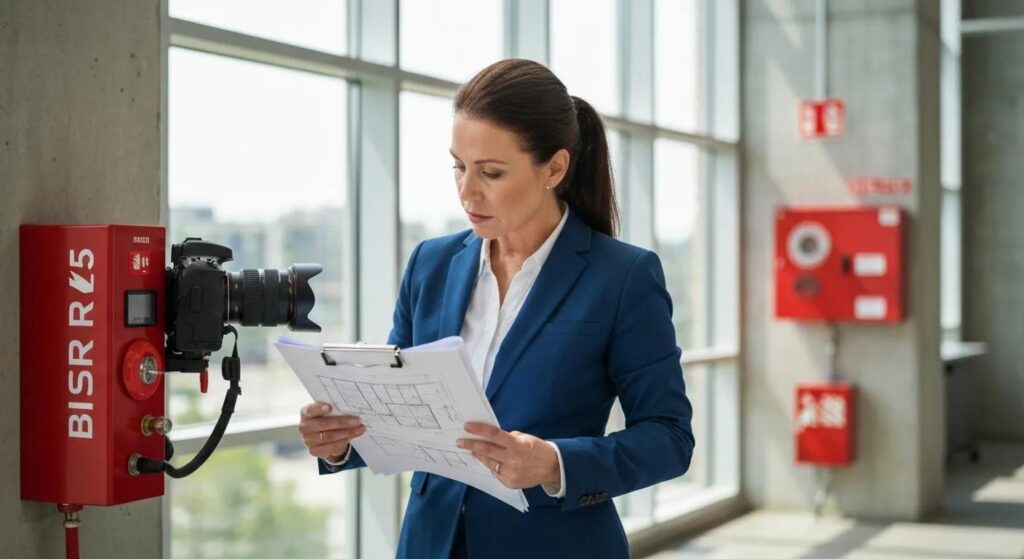
Abu Dhabi Civil Defence regulations set mandatory criteria for design, installation, and maintenance of fire safety systems, directly shaping audit protocols and required certifications. These regulations ensure that audits validate both structural fire resistance and active suppression capabilities to protect lives and property under UAE law.
Abu Dhabi Civil Defence Regulations
The Abu Dhabi Civil Defence (ADCD) is the primary authority for fire safety regulations, setting standards for fire prevention, emergency response, and safe building operation. They oversee the design and maintenance of fire alarm systems, extinguishers, and suppression systems. Businesses must obtain ADCD approvals to ensure their systems meet these standards and avoid penalties.
This citation supports the article’s emphasis on the importance of ADCD regulations and approvals for fire safety in Abu Dhabi.
What Are the Key Requirements of the UAE Fire and Life Safety Code of Practice?
The Code mandates specifications for structural fire resistance, alarm system categories, emergency lighting, and evacuation planning.
- Structural Resistance: Fire-rated walls and doors.
- Alarm Categories: Type A (full coverage) and Type B (partial coverage).
- Escape Routes: Minimum width, signage, and illumination standards.
Adherence to these elements underpins every audit and drives compliance strategies.
UAE Fire and Life Safety Code of Practice
The UAE Fire and Life Safety Code of Practice, which draws from international codes and standards, is a key document guiding fire safety efforts. The code prescribes minimum guidelines for building design, construction, and the installation of fire detection and protection systems. It is now required for all new construction projects in the UAE.
This citation supports the article’s discussion of the UAE Fire and Life Safety Code of Practice and its importance in fire safety audits.
How Does the Abu Dhabi Civil Defence Approval Process Work?
| Step | Action | Outcome |
|---|---|---|
| Consultation | Scope definition and preliminary document review | Audit plan aligned to ADCD requirements |
| On-Site Inspection | Physical examination of systems and site conditions | Identification of non-conformities |
| Report Submission | Delivery of detailed findings and corrective measures | Formal review by ADCD |
| Certificate Issuance | Approval of corrective actions and system upgrades | Civil Defence Certificate granted |
Each phase builds on the previous one to secure formal approval and ensure enduring safety.
What Are the Penalties for Non-Compliance with ADCD Regulations?
Failure to comply with ADCD mandates can result in fines starting from 2,000 AED for missing permits and up to 10,000 AED for invalid maintenance contracts. Repeated violations risk operational shutdowns and reputational damage. Clear corrective actions and timely audits prevent such financial and legal consequences.
What Types of Fire Safety Audits and Assessments Are Available in Abu Dhabi?
Abu Dhabi offers specialized audit services tailored to hazard analysis, building type, and system components. These assessments deliver targeted risk insights and align fire protection with facility-specific requirements.
What Is Included in a Fire Risk Assessment Service?
A fire risk assessment identifies ignition sources, fuel loads, and potential occupant vulnerabilities to quantify overall risk levels.
- Hazard Identification: Fuel and ignition mapping.
- Occupancy Analysis: Evacuation capacity and egress flows.
- Risk Scoring: Likelihood and impact ratings.
This evaluation underlies every audit by pinpointing priority areas for mitigation.
How Do Building Fire Safety Audits Differ by Property Type?
Audits vary with usage and scale:
- Commercial: Focus on public access routes and assembly areas.
- Industrial: Emphasis on process hazards and chemical storage.
- Residential: Evaluation of escape routes and communal alarm systems.
Tailored criteria ensure each audit addresses unique operational risks.
What Are Fire Protection System Audits and Their Components?
A fire protection system audit inspects the integrity and performance of:
- Detection Systems: Smoke and heat detectors.
- Suppression Systems: Sprinklers and extinguishers.
- Passive Elements: Fire doors, dampers, and compartmentation.
Reviewing these parts secures a layered defense against fire escalation.
How Is a Fire Safety Audit Conducted: Our Process Explained
Our audit process integrates strategic planning, thorough inspection, and actionable reporting to guide clients from initial consultation to compliance.
What Happens During the Initial Consultation and Scope Definition?
During consultation, auditors gather building plans, review prior compliance records, and define audit boundaries. Deliverables include a customized audit checklist that aligns on-site activities with ADCD criteria and client priorities.
How Is On-Site Inspection and Data Collection Performed?
Auditors perform visual and operational checks on fire detection, alarm, and suppression systems while photographing installations and verifying maintenance logs. This methodical data capture ensures no element is overlooked and paves the way for an evidence-based report.
What Does the Detailed Report Include and How Are Recommendations Made?
The final report presents findings arranged by risk category, assigns severity ratings, and outlines corrective measures with implementation timelines. Recommendations prioritize actions by potential life-safety impact and regulatory urgency to drive immediate and long-term improvements.
How to Choose the Right Fire Safety Audit Partner in Abu Dhabi?
Selecting a qualified auditor ensures credibility, seamless approvals, and effective risk mitigation. The right partner combines technical expertise with formal accreditation.
What Qualifications and Certifications Should Fire Safety Auditors Have?
Auditors should hold Abu Dhabi Civil Defence approval, ISO 17020 accreditation for inspection bodies, and recognized certifications such as NFPA specialist credentials. These credentials guarantee both technical competence and regulatory recognition.
How to Verify Civil Defence Approval for Fire Safety Companies?
To confirm approval status, clients can consult the official ADCDA database, request a valid Civil Defence Certificate, and cross-verify issue and expiry dates. For guidance on this application, explore our detailed Civil Defense Certificate application process.
Auditing entities with verified credentials ensures audit acceptance and minimizes reinspection risks.
What Are Examples of Successful Fire Safety Audits in Abu Dhabi?
Recent projects include a high-rise tower where non-compliant dampers were upgraded, an industrial warehouse reconfigured for optimized escape routes, and a residential complex where alarm zoning improved occupant safety. Each audit delivered documented compliance and measurable risk reduction.
Fire safety audits in Abu Dhabi are indispensable for legal compliance, life safety, and asset protection. A structured audit process—from risk assessment to Civil Defence certification—builds resilience and supports uninterrupted operations. By choosing auditors with verified credentials and a proven methodology, businesses secure peace of mind and long-term cost savings. Request a consultation today to ensure your facility meets Abu Dhabi’s fire safety standards and safeguards your most valuable assets.