
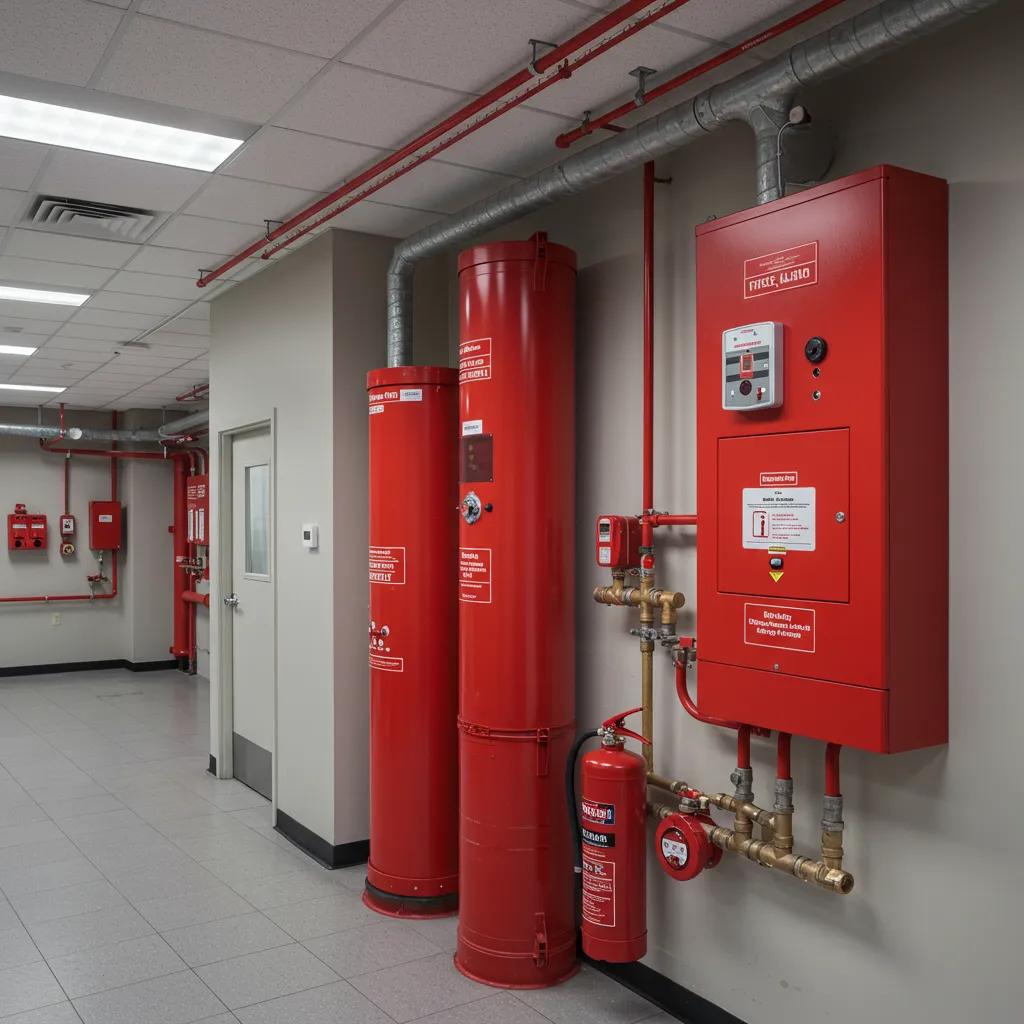
Top 7 Warning Signs That Demand Immediate Fire Maintenance Services for Your Safety
Early, observable warning signs in fire safety systems predict functional failure, regulatory risk, and increased loss severity if not addressed quickly. This article explains the top indicators across alarms, sprinklers, extinguishers, and suppression systems so building managers and safety officers can act decisively, reduce risk, and maintain ADCD compliance. You will learn how each warning sign manifests, the likely technical causes, immediate triage steps to protect occupants, and when to escalate to certified professionals. Practical quick-check procedures and EAV tables are included for rapid scanning, plus a concise description of Amples Fire and Safety LLC’s Annual Maintenance Contract (AMC) as an actionable compliance pathway. Read on to map warning signs to practical responses: why immediate maintenance matters, alarm-system failure cues, sprinkler corrosion and pressure issues, extinguisher readiness, suppression-system alerts, how Amples enables rapid rectification and ADCD support, and final emergency checks you can perform. This guidance integrates target keywords like “signs of fire equipment malfunction UAE” and “fire system failure indicators Abu Dhabi” to help you identify urgent faults and organise corrective action.
Why Is Immediate Fire Maintenance Critical for Your Safety and Compliance?
Immediate fire maintenance is the process of diagnosing, repairing, and documenting faults in life-safety systems to restore detection and suppression capability quickly. Rapid maintenance reduces the probability of undetected fires, mitigates property and business interruption losses, and preserves occupant safety by ensuring detectors, sprinklers, and suppression systems operate as designed. Prompt action also directly affects regulatory standing because Abu Dhabi Civil Defence (ADCD) links fitness certificates to demonstrated maintenance and inspection records, so delays can trigger fines or operational restrictions. Understanding the balance between safety outcomes and compliance obligations sets the stage for recognising the seven warning signs that require urgent professional intervention.
What Risks Arise from Neglecting Fire Maintenance?
Neglecting fire maintenance increases the likelihood of system failure, which can allow small incidents to escalate into uncontrolled fires with greater damage and casualties. System performance degradation causes false negatives, delayed alarms, or inadequate suppression coverage, directly undermining evacuation and emergency response procedures. Financial consequences include higher insurance costs, business interruption, and potential legal liability for preventable losses. Recognising these risks helps prioritise maintenance tasks and justifies immediate escalation when any of the top warning signs appear.
How Does ADCD Compliance Impact Fire Safety Maintenance?
ADCD enforces fitness certificate requirements that depend on documented maintenance histories, inspection tags, and evidence that systems meet code standards at inspection time. Missed or undocumented maintenance can result in failed inspections, penalties, or restricted operations until faults are corrected and verified. Professional maintenance providers assist by maintaining records, preparing AMC documentation, and guiding clients through ADCD inspection expectations. Knowing ADCD’s role clarifies why swift, documented maintenance is not only a safety action but a compliance safeguard.
What Are the Benefits of Proactive Fire System Maintenance?
Proactive maintenance improves system reliability, reduces false alarms, and lowers the total cost of ownership by addressing wear before catastrophic failure. Regular preventive work preserves component life, sustains insurance coverage conditions, and shortens downtime during ADCD audits by keeping systems inspection-ready. Preventive strategies also create opportunities to adopt predictive monitoring technologies, which detect trends like pressure drift or sensor degradation earlier. These benefits highlight why converting urgent repairs into a scheduled AMC-driven program pays dividends for safety and compliance.
What Are the Top Warning Signs of Fire Alarm System Failures?
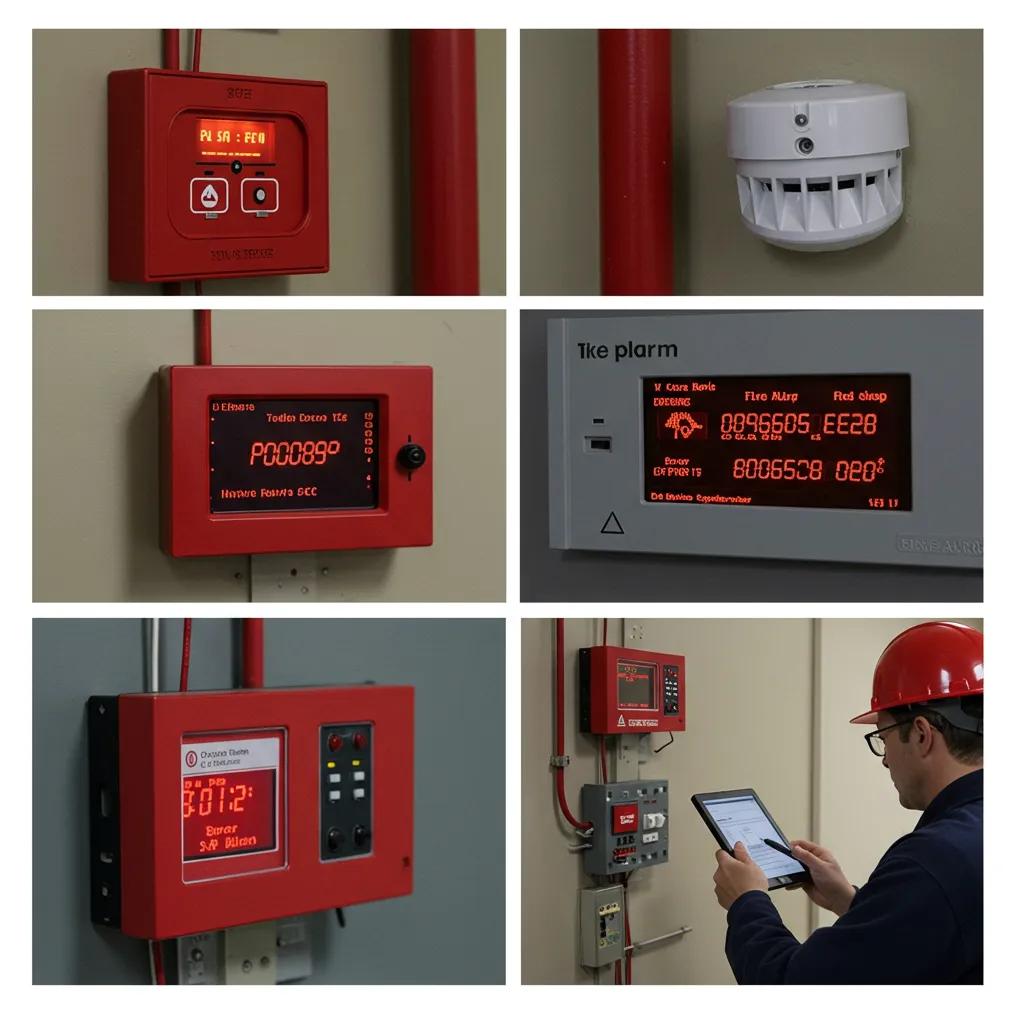
Fire alarm system failures become evident through recurring operational anomalies that indicate sensor, panel, or wiring faults and require immediate attention to avoid detection gaps. Key alarm signs include frequent false alarms, unresponsive or inconsistent signals, and visible damage or obsolete components that compromise sensitivity. Building managers should treat these signs as high-priority faults because an alarm system’s primary function—early detection and occupant warning—depends on reliable sensing, control, and notification. The following H3s unpack each sign, their causes, and initial steps to protect occupants until technicians arrive.
How Do Frequent False Alarms Indicate Fire Alarm Issues?
Frequent false alarms often signal detector contamination, wiring faults, or control-panel misconfiguration that desensitises occupants and burdens emergency response. Causes range from dust and insects in detectors to deteriorating wiring or incorrect sensitivity settings that trigger unwarranted evacuations. Repeated false activations create complacency, which increases risk if a genuine event occurs and is ignored. When false alarms increase, isolate affected zones if safe, document occurrences, and schedule urgent Fire Alarm System Testing with certified technicians.
Minimizing False Fire Alarms: Causes and Solutions
The aim of this article is to discuss the issue of false fire alarms by presenting the most common causes of their occurrence and statistical data, along with the presentation of selected regulatory issues. The article also addresses the issue of minimizing false alarms and the means by which this can be accomplished.
Intro to quick actions for false alarms:
- Record time and zone of each alarm activation.
- Check detectors for visible dust or physical damage.
- Notify your maintenance provider and restrict reset operations to authorised personnel.
These steps reduce unnecessary resets and prepare for a professional diagnosis.
What Does an Unresponsive or Inconsistent Fire Alarm Signal Mean?
Intermittent or unresponsive alarms suggest faults in power supplies, backup batteries, control panels, or wiring continuity that prevent timely notification. Symptoms include zones that fail to show trouble codes, intermittent siren operation, or panel messages indicating sensor faults. An unresponsive alarm undermines occupant warning and evacuation timelines and therefore requires immediate isolation of the affected area only when safe and professional intervention to prevent blind spots. Before technicians arrive, log panel messages, avoid ad-hoc resets, and arrange for on-site diagnostic testing.
This research highlights the importance of addressing intermittent signals promptly to ensure system reliability.
Anomaly Detection for Fire Alarm System Faults
An online anomaly detection approach for fault detection on fire alarm systems. In an unsupervised learning setting, the data have no labels, and the goal is to identify anomalies without any prior knowledge. Nevertheless, in many of the PdM applications, it is
How Can Visible Damage or Outdated Components Affect Fire Alarms?
Physical damage, corrosion, or outdated panels and detectors reduce detection sensitivity and may not meet current ADCD or industry standards, increasing the likelihood of undetected incidents. Cracked detector heads, corroded terminals, and obsolete control hardware can fail under heat, smoke, or electrical stress. Components beyond manufacturer service lifecycles often lack vendor support or replacement parts, complicating repairs. When visible damage or outdated equipment is present, prioritise replacement planning and document anomalies for ADCD inspection readiness.
Intro to the alarm EAV table below: the table summarises common alarm-system signs, their immediate implications, and recommended first actions for rapid assessment.
| Detector / Component | Symptom | Immediate action |
|---|---|---|
| Smoke detector | Frequent unwanted activations | Inspect for dust, clean or isolate zone, log events |
| Control panel | Fault or trouble codes, intermittent notifications | Record error codes, avoid resets, notify technician |
| Notification devices | Sirens or strobes intermittent or silent | Check power circuits and backup battery status, restrict access |
| Wiring & power supplies | Panel losing power or backup battery failures | Secure power source, schedule urgent panel inspection |
This table enables quick scanning of alarm-system issues and aligns each symptom with an immediate, safety-focused step before professional diagnosis. Use these actions to preserve detection capability and prepare maintenance records for ADCD review.
Which Warning Signs Show Your Fire Sprinkler System Needs Immediate Attention?
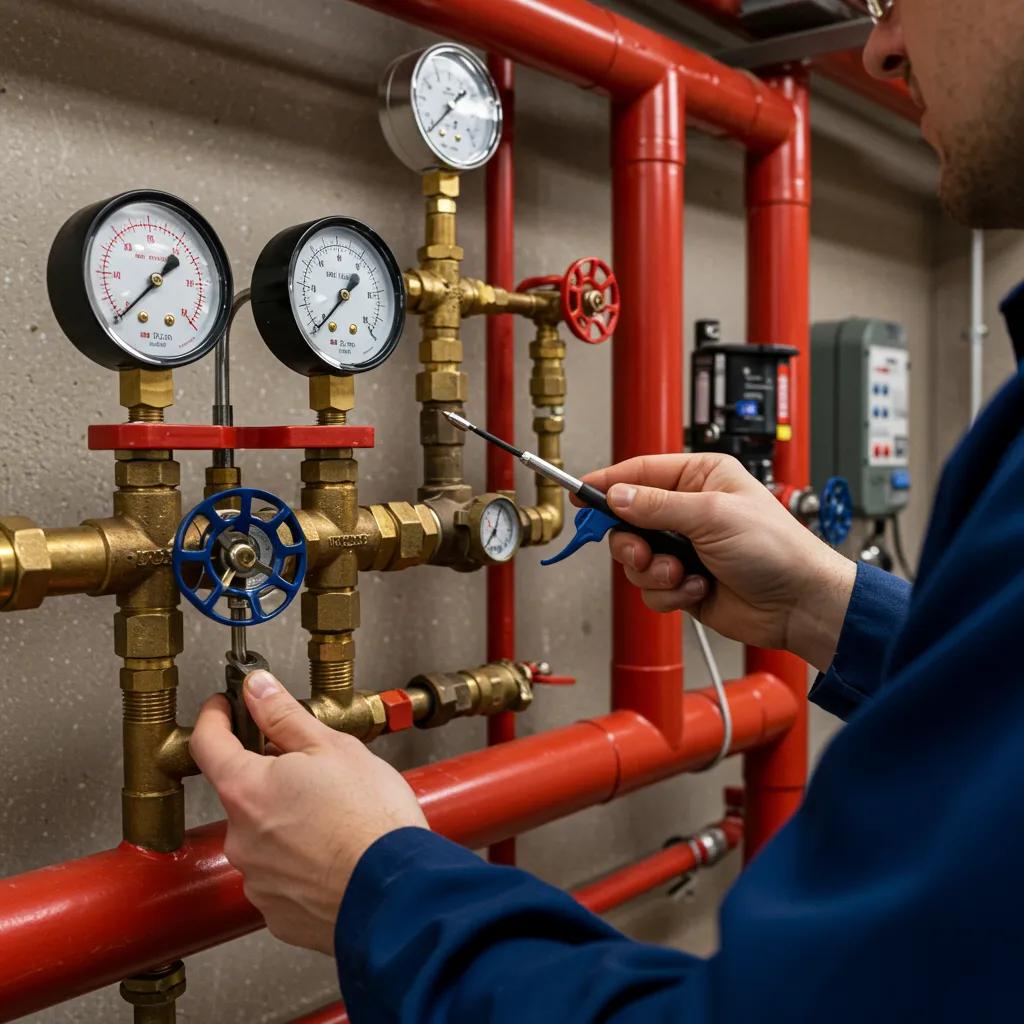
Sprinkler systems require intact pipework, reliable pressure, and unobstructed heads to deliver water where needed; visible corrosion, leaks, pressure drops, and damaged heads indicate imminent functional compromise. These signs often point to pipe deterioration, valve malfunction, pump issues, or physical obstruction that will reduce coverage or cause uncontrolled water release. Immediate mitigation limits property damage and preserves suppression readiness, and professional Sprinkler System Inspection is essential to diagnose hidden corrosion or pump faults. The following H3s explain each sign, short triage steps, and how to prioritise repairs.
How Does Corrosion on Sprinkler Pipes Signal Maintenance Needs?
Corrosion appears as rust, pitting, or flaking on pipes and fittings and weakens structural integrity, increasing the risk of leaks or rupture during a fire event. Causes include water chemistry, condensation, and environmental factors, and early visual detection allows targeted replacement or protective measures. Left unchecked, corrosion can require large-scale pipe replacement and create long downtime. If corrosion is observed, tag the area, limit disturbances, and arrange for a focused Sprinkler System Inspection and corrosion assessment.
Understanding the impact of corrosion is crucial for maintaining the integrity of sprinkler systems.
Fire Sprinkler System Maintenance: Importance of Tests and Inspections
The importance of tests, inspection, and maintenance operations in the context of a fire sprinkler system is very important because this kind of systems are critical for fire protection, which is concluded to be a fire accident.
What Are the Risks of Leaks and Low Water Pressure in Sprinkler Systems?
Leaks and pressure loss reduce discharge density and coverage, meaning a system may fail to control or suppress a developing fire adequately. Leaks commonly arise at joints, valves, or corroded sections and can indicate pump or supply failures when associated with low pressure. Immediate actions include isolating affected zones if safe, documenting water damage, and notifying maintenance to check pumps, valves, and supply lines. Rapid diagnosis of leaks and restoration of water pressure preserve suppression effectiveness and compliance.
How Do Obstructed or Damaged Sprinkler Heads Affect Fire Safety?
Obstructed, painted-over, or physically damaged sprinkler heads change spray patterns and prevent correct coverage of protected areas, creating pockets where fires can spread unchecked. Obstructions include shelving, shrink-wrap, or accumulated dust; damage includes crushed, bent, or corroded heads. Quick visual checks and removal of obstacles restore coverage, but damaged heads require immediate replacement to maintain system integrity. Schedule Sprinkler System Inspection to verify head orientation and flow patterns after any modification or discovery of damage.
Intro to sprinkler EAV table:
| Component | Warning Sign | Risk / Recommended Action |
|---|---|---|
| Pipework | Rust, flaking, visible corrosion | Risk of rupture; tag area, avoid disturbance, schedule inspection |
| Pressure gauge / supply | Low or fluctuating pressure readings | Reduced coverage; verify pump function and supply valves |
| Sprinkler head | Paint, blockage, mechanical damage | Impaired spray pattern; clear obstructions, replace damaged heads |
| Valves & fittings | Leaks or stuck valves | System isolation risk; isolate zones with caution and call technician |
This comparison links visible indicators to practical next steps and helps building teams prioritise urgent repairs during a Sprinkler System Inspection.
When Should You Service Your Fire Extinguishers Based on Warning Signs?
Fire extinguisher readiness depends on intact components, correct pressure, and up-to-date inspection records; outdated tags, visible damage, gauge anomalies and overdue recharges are immediate service triggers. Extinguishers are frontline devices for incipient fires, so any sign of degradation removes their usefulness and exposes personnel to risk. Certified Fire Extinguisher Maintenance should follow discovery of these signs to restore operational status and maintain documentary evidence for ADCD audits. The H3s below define each sign, show how to perform quick checks, and explain compliance implications.
Why Are Outdated Inspection Tags a Critical Warning?
Inspection tags indicate the last service date and often the next due maintenance; an expired tag means the extinguisher has not been verified recently and may be non-compliant. ADCD and insurance requirements rely on documented maintenance cadence, and expired tags can trigger audit failures or penalties. If a tag is outdated, remove the extinguisher from service, label it accordingly, and arrange for certified Fire Extinguisher Maintenance and recertification without delay. Timely servicing preserves readiness and demonstrates compliance.
How Does Visible Damage or Missing Components Affect Extinguisher Reliability?
Dents, corrosion, broken seals, missing hoses, or absent safety pins compromise the structural integrity and operability of extinguishers, making them unsafe or ineffective in an emergency. Physical defects can allow leakage, pressure loss, or inability to discharge agent, and missing components eliminate safe deployment. Replace or service any extinguisher showing damage, tag it out of service if necessary, and document the condition for maintenance records. Proper components and intact seals ensure immediate usability.
What Does a Pressure Gauge Out of Range Indicate?
A pressure gauge outside the green zone shows either loss of pressurisation or overpressure, with the more common issue being low pressure that renders the extinguisher ineffective. Causes include slow leaks, failed internal components, or improper storage exposure to heat. Remove out-of-range units from service, tag them, and schedule recharge or replacement per certified procedures. Maintaining gauge checks in routine inspections prevents unexpected unavailability during incidents.
When Is an Overdue Recharge a Fire Safety Risk?
Recharges are required after any use and on scheduled intervals defined by service standards; letting recharges lapse reduces extinguishing agent effectiveness and risks failed discharge. Overdue hydrostatic tests also threaten integrity for certain extinguisher types. If recharge intervals are exceeded, prioritise Fire Extinguisher Maintenance appointments and record completed work for ADCD verification. Regular recharge schedules ensure extinguishers will perform when needed and maintain regulatory compliance.
Intro to extinguisher EAV table:
| Extinguisher Element | Warning Indicator | Compliance Implication |
|---|---|---|
| Inspection tag | Expired or missing date | Non-compliance during ADCD audit; requires service |
| Pressure gauge | Needle in red zone or fluctuating | Unit must be taken out of service and recharged |
| Physical body | Dents, corrosion, broken handles | Potential failure; replacement or repair required |
| Safety seal / pin | Missing or tampered | Unreliable deployment; immediate servicing needed |
This table clarifies how visible extinguisher conditions map to compliance and service actions, helping teams prioritise certified maintenance visits.
What Are the Key Warning Signs of Fire Suppression System Issues?
Fire suppression systems—whether gaseous, foam, or wet chemical—rely on alarms, pressure stability, and appropriate agent delivery; supervisory alarms, pressure loss, aging components and post-renovation mismatches are critical alerts. Supervisory or fault alarms frequently indicate leaks, valve problems, or control faults that demand an engineered response to avoid inadvertent discharge or failure during a fire. System age and recent structural changes can invalidate original design assumptions, requiring reassessment to maintain ADCD compliance. The H3 subsections below outline indicators, triage steps, and escalation thresholds.
How Do System Alarms and Alerts Signal Urgent Problems?
Supervisory and fault alarms on suppression panels indicate conditions like low agent levels, open supervisory valves, or control-loop errors that can compromise agent delivery. These alarms differ from fire alarms and often require immediate professional assessment to avoid false discharge or suppressed readiness. When these alerts appear, log alarm codes, avoid manual resets that mask issues, and contact certified suppression technicians for diagnostics. Proper documentation of alarm events supports ADCD reporting obligations.
What Does Decreased System Pressure Reveal About Suppression Systems?
Pressure drops in agent storage, piping, or pump systems hint at leaks, compromised seals, or pump malfunction that will lower agent delivery capacity during an incident. Low pressure threatens system performance and may be caused by corrosion, loose fittings, or mechanical failure of pumps. Immediate steps include recording pressures, tagging affected zones, and initiating leak detection and pump testing. Rapid intervention preserves suppression performance and reduces the risk of ineffective discharge.
How Does System Age and Obsolete Components Affect Safety?
Older suppression systems may lack manufacturer support, spare parts, or compliance with updated ADCD technical standards, increasing the chance of prolonged outages when faults occur. Obsolete control panels or agents may require retrofit or full-system replacement to meet current performance and inspection criteria. A lifecycle assessment by qualified technicians distinguishes viable upgrades from necessary full-system replacements. Evaluating age and parts availability informs cost-effective modernization while maintaining compliance.
Why Do Recent Renovations Require Fire Suppression System Reassessment?
Renovations can change occupancy, room volumes, or hazard classification, altering design coverage and the adequacy of suppression zoning or discharge times. Changes such as ceiling height alterations, added storage, or new partitions may create protected-area gaps or increased fuel loads that the existing system cannot handle. After renovations, schedule a professional reassessment to verify coverage, recalibrate detection interlocks, and update ADCD documentation. This reassessment ensures suppression strategy remains aligned with real-world conditions.
How Does Amples Fire and Safety LLC Ensure Rapid Response and Compliance?
Amples Fire and Safety LLC provides comprehensive annual maintenance services and emergency response for firefighting and fire safety systems in Abu Dhabi and Al Ain, with a service model designed to reduce downtime and support ADCD requirements. Their offering includes Annual Maintenance Contract (AMC) options that bundle scheduled inspections, record-keeping, and prioritised emergency attendance to help clients maintain fitness certificate readiness. Amples emphasises 24/7 response on site and on-site immediate rectification to restore systems during urgent incidents. This combination of proactive maintenance and rapid corrective capability supports both safety objectives and regulatory obligations.
What Are Amples’ 24/7 On-Site Emergency Response Capabilities?
Amples promotes round-the-clock availability with rapid dispatch to Abu Dhabi, Al Ain and the Western Region to diagnose and address urgent faults promptly. Their emergency workflow focuses on triage—secure occupants, log faults, stabilise affected systems—and then implement on-site rectification wherever feasible to minimise repeat visits. Having technicians who can respond at any hour shortens downtime and helps maintain continuity of operations. Rapid on-site presence therefore reduces the window of vulnerability for building occupants.
How Does Immediate On-Site Rectification Prevent Fire System Failures?
Immediate rectification involves inspect → repair → test → certify steps performed during the initial visit whenever safe and permitted by component availability, which prevents escalation and repeated outages. Fixing faults on the first visit stabilises detection and suppression capability, reduces the chance of temporary workarounds that could create hazards, and accelerates readiness for ADCD inspections. On-site testing after repair confirms restored performance and provides documented evidence for compliance records. This approach streamlines corrective maintenance and shortens risk exposure.
How Does Amples Support ADCD Compliance and Certification?
Amples assists clients by maintaining detailed maintenance records, generating inspection documentation, and guiding facility teams through ADCD fitness-certificate preparation and AMC approvals. Their technicians prepare service logs that align with ADCD expectations, simplifying audit responses and facilitating regulatory sign-off. This documentation support reduces the administrative burden on owners and demonstrates continuous compliance during inspections. Proper recordkeeping is therefore a core component of preventing enforcement actions.
Why Choose Amples for Cost-Effective and Brand-Independent Fire Maintenance?
Amples positions its in-house technical team as brand-agnostic, capable of servicing a wide range of system manufacturers to avoid vendor lock-in and speed up repairs. This brand-independent capability aims to reduce lead times for parts and repairs while maintaining cost-effective pricing structures. For organisations seeking systematic risk reduction, engaging an Annual Maintenance Contract (AMC) with a single provider simplifies logistics and centralises ADCD-ready documentation. A carefully structured AMC can therefore provide predictable budgeting and sustained compliance support.
Introductory list summarising Amples’ UVPs:
- 24/7 response and on-site immediate rectification.
- Brand-independent in-house technical capability across major system types.
- Support for ADCD documentation, fitness-certificate readiness and AMC approvals.
What Are the Essential Emergency Fire Safety Checks You Can Perform?
Non-technical, immediate checks provide a reliable first-pass assessment to determine whether a problem is urgent and to collect the evidence technicians need for rapid repair. Visual inspections and simple panel checks identify obvious hazards while preventing unsafe interventions. The checklist below describes quick steps for alarms, sprinklers, extinguishers, and suppression systems that building managers or safety officers can perform safely before certified technicians arrive.
How to Visually Inspect Fire Alarm Systems for Warning Signs?
Begin with the control panel: check for trouble lights, error codes, or battery indicators and record any messages verbatim for technicians. Inspect detectors for dust, loose fittings, or physical damage and avoid touching sensitive elements that could obscure evidence. Confirm notification devices (sirens/strobes) are unobstructed and visible to occupants. If you observe faults, log timestamps and zones, and contact qualified Fire Alarm System Testing providers for immediate inspection.
What Are Quick Checks for Fire Sprinkler System Issues?
Scan ceilings and exposed pipe runs for wet spots, rust, drips, or visible scale that indicate leaks or corrosion, and note locations. Verify pressure gauges at pump rooms and valve cabinets for expected ranges and record anomalies. Ensure sprinkler heads are unobstructed and not painted over; do not attempt to clean or adjust heads unless authorised. Tag affected areas and notify maintenance to schedule Sprinkler System Inspection and potential pump testing.
How to Assess Fire Extinguisher Readiness Before an Emergency?
Check inspection tags for recent service dates and confirm the pressure gauge is in the green zone; ensure seals and pins are intact and hoses are free of cracks. Confirm units are accessible and not blocked by storage or equipment and that types match the hazards in their locations. If any extinguisher fails checks, place a visible “Out of Service” label and arrange certified Fire Extinguisher Maintenance promptly. Keep records of any removed or replaced units for ADCD inspections.
When Should You Contact Professionals for Fire Suppression System Problems?
Contact certified technicians immediately for any supervisory alarms, unexplained pressure drops, or after structural changes from renovations that alter fire loads or room layouts. Do not attempt to reset suppression panels without expert guidance, and avoid manual intervention that could cause accidental discharge or mask underlying faults. Document all alarm messages, pressure readings and physical observations to expedite on-site diagnosis. Escalating early ensures quicker remediation and sustained ADCD compliance.
Introductory numbered checklist for emergency checks:
- Check the alarm control panel for trouble codes and log them.
- Scan sprinkler pipework and heads for leaks, rust, or obstructions.
- Verify extinguisher tags, gauges and accessibility.
- Note suppression panel alarms and pressure readings; do not reset.
These checks enable rapid triage, preserve evidence for technicians, and provide the baseline documentation needed for ADCD reporting and AMC records. Performing these steps reduces uncertainty and speeds professional response.
Frequently Asked Questions
What should I do if I notice a warning sign in my fire safety system?
If you observe any warning signs in your fire safety system, such as frequent false alarms or visible damage, it is crucial to take immediate action. First, document the specific signs and their locations. Then, isolate the affected areas if it is safe to do so and contact a certified maintenance provider for a thorough inspection. Prompt reporting and professional assessment can prevent further issues and ensure compliance with safety regulations.
How can I ensure my fire safety systems are compliant with local regulations?
To ensure compliance with local regulations, such as those set by the Abu Dhabi Civil Defence (ADCD), maintain a regular inspection schedule for all fire safety systems. Engage certified professionals for maintenance and keep detailed records of inspections, repairs, and service dates. Additionally, stay informed about any changes in local fire safety laws and standards to ensure your systems meet current requirements.
What are the consequences of ignoring fire safety system maintenance?
Ignoring fire safety system maintenance can lead to severe consequences, including system failures during emergencies, increased risk of property damage, and potential loss of life. Additionally, neglecting maintenance can result in hefty fines from regulatory bodies like the ADCD, as well as increased insurance premiums and liability issues. Regular maintenance is essential to ensure systems function correctly and comply with safety regulations.
How can I identify if my fire extinguisher needs servicing?
To identify if your fire extinguisher needs servicing, check for outdated inspection tags, visible damage, or a pressure gauge reading outside the green zone. If the extinguisher has been used, it must be recharged immediately. Additionally, ensure that all components, such as safety pins and hoses, are intact. If any issues are found, remove the extinguisher from service and contact a certified maintenance provider for prompt servicing.
What types of fire safety systems require regular maintenance?
Regular maintenance is required for various fire safety systems, including fire alarms, sprinklers, fire extinguishers, and suppression systems. Each system has specific maintenance needs and schedules based on usage, occupancy, and local regulations. Engaging a certified maintenance provider can help ensure that all systems are inspected and serviced according to the required standards, maintaining safety and compliance.
How often should I conduct fire safety drills in my building?
Fire safety drills should be conducted at least twice a year to ensure that all occupants are familiar with evacuation procedures and emergency protocols. However, high-risk environments or buildings with frequent turnover may benefit from more frequent drills. Regular drills help reinforce safety awareness and ensure that everyone knows how to respond effectively in the event of a fire emergency.
What steps should I take if my fire alarm system goes off unexpectedly?
If your fire alarm system goes off unexpectedly, first ensure the safety of all occupants by evacuating the building immediately. Do not ignore the alarm, even if you suspect it may be a false alarm. Once everyone is safely outside, contact emergency services and your fire safety maintenance provider to investigate the cause. Document the incident and any relevant details to assist with future inspections and maintenance.
How Often Should Commercial Fire Systems Be Inspected in Abu Dhabi?
A baseline annual inspection is typical for many systems, while certain components may require more frequent checks depending on use, occupancy and ADCD guidance. High-risk environments or systems with known issues may need quarterly or monthly surveillance. Consult qualified technicians to define a site-specific schedule and document inspection cadence within an Annual Maintenance Contract (AMC).
What Are the Dangers of Neglecting Fire Alarm Maintenance?
Neglecting alarm maintenance risks undetected fires, delayed evacuations, and repeated false alarms that erode occupant trust and increase liability exposure. It can also lead to failed ADCD inspections, fines, and possible operational restrictions until faults are corrected. Scheduling regular Fire Alarm System Testing and keeping records mitigates these dangers.
How Can I Identify Corrosion or Leaks in Sprinkler Systems?
Look for rust stains, discoloration, flaking paint, visible drips or wet ceiling tiles near pipes and fittings; unusual water usage or pressure drops also flag hidden leaks. Document locations, take photographs if safe, and contact Sprinkler System Inspection professionals for non-destructive testing. Early identification prevents larger water damage and system failure.
Who Should Perform Fire Extinguisher Maintenance and Recharge?
Certified maintenance providers must perform recharges, hydrostatic testing and repairs to ensure extinguishers meet safety standards and ADCD documentation requirements. Maintain service records and inspection tags for every unit. Relying on certified Fire Extinguisher Maintenance protects occupants and preserves compliance evidence.
How Does Fire Maintenance Help Avoid ADCD Fines and Penalties?
Regular, documented maintenance demonstrates an ongoing safety regime during ADCD audits and reduces the chance of enforcement actions by showing timely remediation of warning signs. Service logs, inspection tags, and AMC records provide the documentary trail ADCD inspectors review. Prompt corrective action on identified faults lessens the likelihood of fines and operational disruptions.
Final summary paragraph: These FAQs provide fast answers to common compliance and operational questions, and they reinforce the importance of documented maintenance and timely escalation to certified providers. Use these answers to shape your site-specific maintenance plans and ADCD-ready records.
- Maintenance frequency: Annual baseline, adjusted by risk.
- Accountability: Certified providers handle critical servicing and documentation.
- Documentation: Keep inspection tags and service logs for ADCD audits.
This article ends here after the last provided heading.
Conclusion
Recognizing the warning signs of fire system failures is crucial for ensuring safety and compliance in any building. By addressing issues with alarms, sprinklers, extinguishers, and suppression systems promptly, you can mitigate risks and maintain operational readiness. Engaging with a professional maintenance provider like Amples Fire and Safety LLC ensures that your systems are always in top condition and compliant with ADCD regulations. Take the next step towards safeguarding your property and occupants by exploring our comprehensive maintenance services today.