
Annual Fire System Testing in Abu Dhabi — Practical Guide to Compliance, Maintenance and ADCD Readiness
Annual fire system testing is the scheduled, recorded inspection and functional check of a building’s active fire protection systems to confirm they meet operational, safety and regulatory requirements. This guide explains the annual testing process used in Abu Dhabi and ties each practical step back to Abu Dhabi Civil Defence (ADCD) compliance, fitness‑certificate expectations and business risk reduction. Facility managers and owners face regulatory and operational exposure when systems lapse, so we outline step‑by‑step tests for fire alarm systems, sprinklers and firefighting equipment, plus the documentation ADCD expects. You’ll see how control panels, detectors, batteries, sprinkler piping, valves and pumps are tested, what pass/fail looks like, and how Annual Maintenance Contracts (AMCs) support trade‑license renewals. We also touch on trends such as IoT monitoring and predictive maintenance, typical penalties for non‑compliance, and how a qualified service partner can simplify ADCD approvals and fitness‑certificate issuance.
Why Is Annual Fire System Testing Critical for Businesses in Abu Dhabi?
Annual testing confirms that detection, suppression and notification systems work reliably during an emergency and meet ADCD and UAE Fire and Life Safety Code expectations. Regular checks expose worn or failing parts—weak batteries, corroded sprinkler heads, clogged pump strainers—before they become critical. That reduces the chance of unnoticed fires and costly downtime. Clear, up‑to‑date records are also essential for ADCD inspections, fitness certificates and trade‑license renewals; documented maintenance proves preventive care is in place. The section that follows summarizes the specific regulatory obligations and shows how testing reduces both life‑safety and financial risk for Abu Dhabi businesses.
Annual testing delivers four practical business benefits:
- Meets ADCD compliance requirements tied to many license renewals and fitness certificates.
- Protects people and assets by ensuring early detection and effective suppression.
- Cuts false alarms and interruptions through timely calibration and repair.
- Reduces legal and financial exposure by producing traceable inspection logs and maintenance records.
These outcomes lead into the ADCD rules that govern annual maintenance and the documentation businesses must retain for inspections and renewals.
What Are the Key Abu Dhabi Civil Defence Fire Safety Regulations?
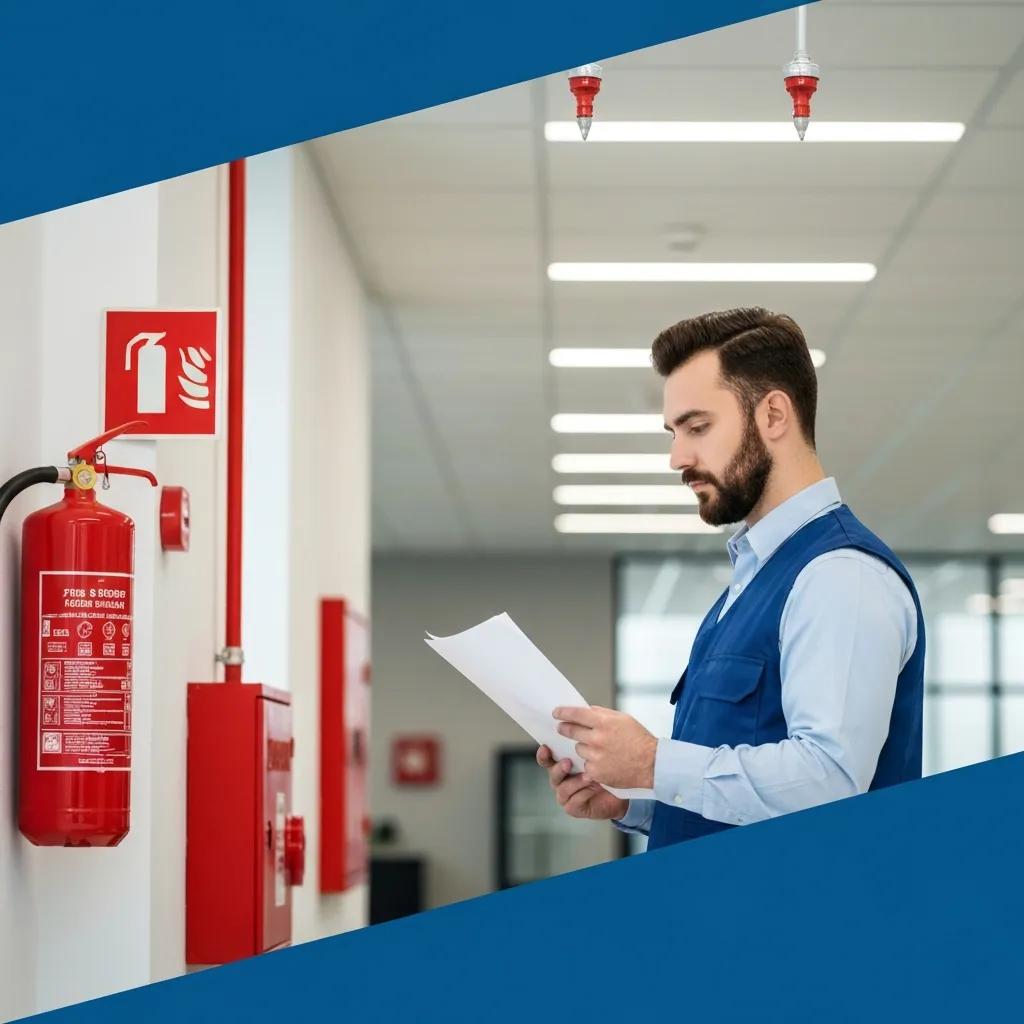
ADCD enforces provisions from the UAE Fire and Life Safety Code and related circulars requiring regular inspection, testing and maintenance of fire protection systems for many building types. In practice this means documented proof of Annual Maintenance Contracts (AMCs), inspection logs, corrective‑action records and current test certificates when facilities apply for fitness certificates or renew trade licences. Accurate records of functional tests—detector sensitivity checks, control‑panel event logs, pump performance reports and sprinkler flow tests—demonstrate compliance during ADCD audits and speed approvals. Knowing these obligations helps facility teams prepare the documentation ADCD expects and reduces the risk of enforcement actions that interrupt operations.
How Does Annual Testing Protect Lives and Property?
Annual testing protects lives and property by verifying system performance under realistic conditions, not just on paper. Functional tests confirm detectors respond within sensitivity ranges, control panels log and relay events correctly, emergency lighting works during power loss, and pumps deliver the required flow and pressure. Routine maintenance also prevents progressive failures—battery degradation, contaminated sensors or stiff valves—that can let a minor issue become a major failure. With proactive testing and timely repairs, buildings keep continuous protection in place and limit both human risk and asset damage.
What Are the Standard Procedures for Fire Alarm System Testing in Abu Dhabi?
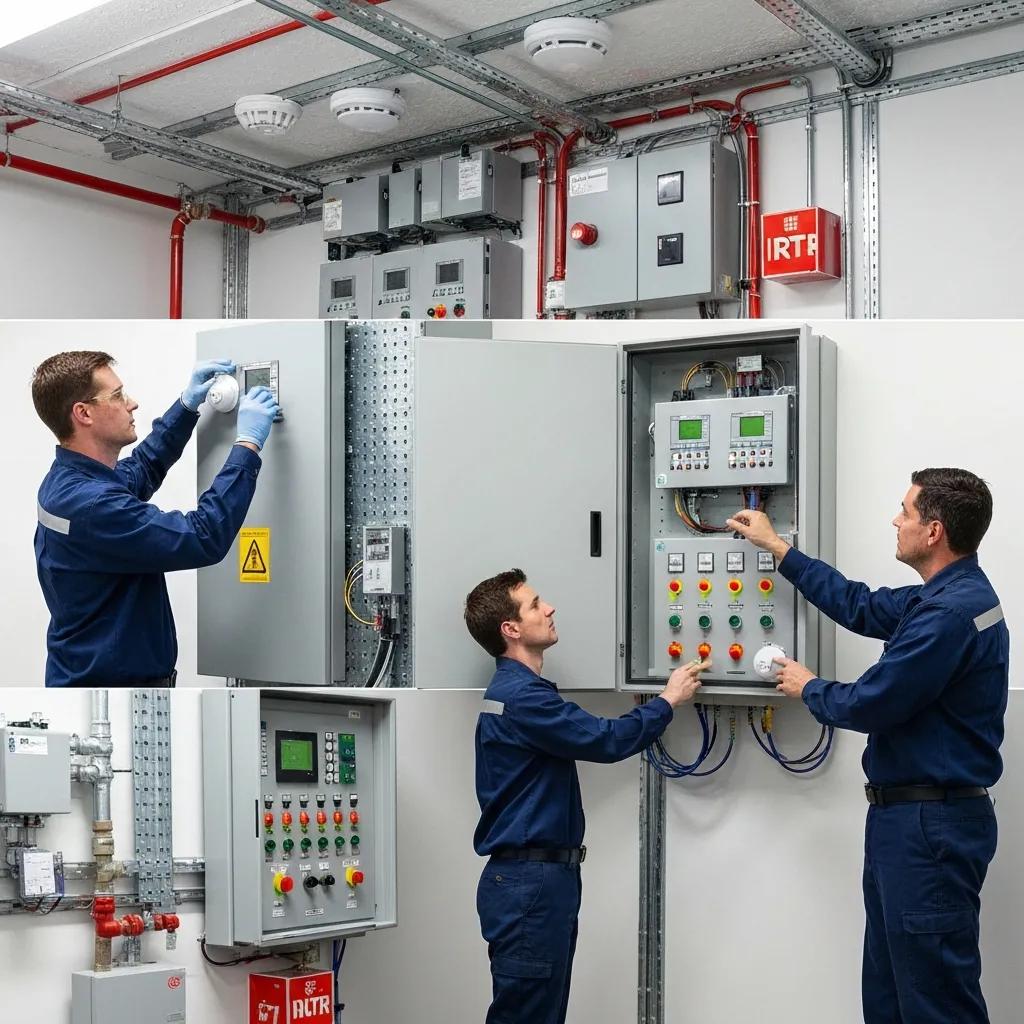
Standard fire alarm tests combine visual inspections, control‑panel diagnostics, detector functional checks, notification‑device verification and battery/load tests to confirm end‑to‑end operation. Testing starts with a documented site survey and review of system schematics and previous logs, then proceeds to loop integrity checks, event‑log review and simulated activations to verify detector response and notification circuits. Acceptance criteria include correct event display at the control panel, detector activation within sensitivity limits, audible and visual devices operating throughout protected zones, and battery backup maintaining required runtimes during a simulated mains failure. Those steps create a clear audit trail for ADCD and support fitness‑certificate applications.
The testing workflow typically follows these steps:
- Review system documentation and past inspection logs to spot recurring faults.
- Visually inspect control‑panel wiring, indicators and notification appliances.
- Simulate detector activation (or use a safe smoke/heat method) and confirm end‑to‑end alarm signals.
- Run battery load tests and verify standby power runtime under expected loads.
- Record findings, corrective actions and signed acceptance tests for ADCD records.
This stepwise approach leads into component‑level inspection details for control panels and detectors and underpins the comparison table below that clarifies expected tests and outcomes for common alarm components.
Intro to component comparison table: The table below summarizes key fire alarm components, the primary test for each and the pass/fail criteria typically used during annual testing in Abu Dhabi.
| عنصر | Primary Test | Pass / Fail Criteria |
|---|---|---|
| كاشف الدخان | Sensitivity / functional test (controlled aerosol or manufacturer method) | Responds within factory sensitivity range; no excessive false triggers |
| Heat detector | Heat activation simulation | Operates at or below rated temperature threshold; no delayed response |
| Manual call point | Functional activation test | Actuation registers at the control panel and triggers notifications |
| لوحة التحكم | Diagnostics and event‑log review | All zones communicate, fault indicators normal, events recorded correctly |
| Notification appliance | Audible / visual test | Required dB levels achieved across coverage; strobe visibility meets rating |
This table clarifies how alarm components are tested and what constitutes acceptable performance during annual inspections. The next subsection explains specific control‑panel and detector inspection activities in more detail.
How Are Fire Alarm Control Panels and Detectors Inspected?
Inspections start with a diagnostic review: technicians check fault indicators, loop resistance, supervision circuits and the event log to find intermittent faults or corrupted records. Detectors are cleaned, checked for sensitivity using manufacturer‑recommended methods and functionally tested; devices outside specification are flagged for recalibration or replacement. Battery terminals are inspected and load‑tested to confirm standby runtimes match design requirements, and wiring terminations are tightened to prevent future faults. Every test and remedial action is documented to create an ADCD‑ready inspection dossier and ensure traceability for audits.
These focused checks lead into a discussion of common testing methods, their safety trade‑offs, and when to use simulated activations versus live tests to verify system behaviour without causing false alarms or disrupting operations.
What Are the Common Testing Methods for Fire Alarm Systems?
Common methods include simulated activations, controlled aerosol/smoke generators for detector response, heat‑source checks for rate‑of‑rise detectors and battery load testing for backup power verification. Simulated activation is preferred when real smoke would disrupt operations; controlled aerosol validates sensitivity without hazardous particulates. Battery and standby‑power tests apply measured loads to confirm manufacturer runtime claims and identify internal resistance or capacity loss. Each method has operational and safety trade‑offs—simulated tests limit disruption while full live activations validate system integration with evacuations and sprinklers—so the method selected depends on system design, occupancy and ADCD expectations.
- Simulated activation: Non‑disruptive, suitable for routine verification.
- Controlled aerosol: Verifies detector sensitivity without real smoke.
- Heat source checks: Used for heat‑only detectors and thermal threshold verification.
- Full live activation: Best for integrated system validation when planned and communicated.
How Is Firefighting and Sprinkler System Inspection Conducted Under AMC?

Sprinkler and firefighting inspections carried out under an Annual Maintenance Contract (AMC) follow a scheduled routine of visual checks, valve exercising, pipe and head inspections and pressure/flow testing to confirm hydraulic performance and system integrity. Inspections begin with a visual review of sprinkler head condition and coverage, valve position and lock status, and standpipe and hydrant accessibility. Full‑flow (alarm/flow) tests verify the water supply, risers and supervisory valves open and sustain designed pressures; measured pressure and flow values are recorded against the system’s hydraulic design. Fire pumps are tested separately with churn and flow tests to confirm driver performance and the pump’s ability to meet required pressure at specified flows.
The sprinkler inspection process follows a checklist like the one below to keep visits consistent and to set clear pass/fail criteria during AMC checks.
- Inspect sprinkler heads for corrosion, paint, obstructions or mechanical damage and address identified issues.
- Exercise and inspect main and sectional valves for correct operation and lubrication; verify tamper/supervisory switches.
- Perform an alarm/flow test to confirm water supply and measure flow rate and residual pressure against design values.
- Drain low points, check for leakage or sediment, then restore system pressure and document the results.
Below, the table lists common sprinkler elements, the checks performed and target values facility managers can expect during AMC inspections.
| Sprinkler Element | Test / Check | Target Value or Criterion |
|---|---|---|
| رأس الرشاش | Visual inspection & activation check | No obstruction or damage; activates at rated temperature |
| Main / section valves | Operation & supervisory switch test | Valves operate freely; supervisory circuit signals correctly |
| أعمال الأنابيب | Pressure / flow (full‑flow test) | Measured flow meets hydraulic design; no audible leaks |
| Alarm / flow switch | Function test | Alarm triggers at designed flow threshold |
| Drainage | Low‑point drain test | Clear discharge; minimal sediment or blockage |
This table sets measurable expectations for sprinkler inspections under an AMC and helps teams prepare the ADCD documentation inspectors will review. The next subsection covers pump testing and the specific metrics used to evaluate fire‑pump performance during annual maintenance.
What Are the Steps for Sprinkler System Testing and Maintenance?
Sprinkler testing starts with isolation planning, pressure verification and notifying building occupants and ADCD when required. Technicians operate control valves, conduct flow tests at hydrants or test outlets to measure supply and residual pressures, and inspect sprinkler heads for corrosion, paint or mechanical damage. Valve exercising, lubrication of moving parts and replacement of defective heads are standard tasks. All actions are logged, with measured values and photographic evidence where appropriate, to create a compliant record for ADCD inspections.
These maintenance steps lead into fire pump testing, which requires additional safety checks and performance measurements to confirm the system can sustain required pressures during a fire event.
How Are Fire Pumps and Firefighting Equipment Tested Annually?
Fire pump testing typically includes churn (no‑flow) tests and flow tests at rated capacities to verify pump curves, plus controller and driver inspections (electrical panels, fuel systems for diesel drivers and battery condition for electrically started units). Churn tests confirm mechanical stability at rated speed without load; flow tests measure discharge at design flow rates and compare head/pressure to the pump’s original curve. Diesel pumps need fuel‑quality checks, battery verification and automatic‑start tests under simulated power loss. Detailed pump performance reports and remedial‑action records are included in AMC documentation for ADCD review and fitness‑certificate support.
Measured pump performance and complete documentation feed directly into ADCD records and the wider compliance checklist described below.
What Are the Abu Dhabi Civil Defence Requirements for Fire System Annual Maintenance?
ADCD requires businesses to keep documented evidence of regular maintenance—typically via an Annual Maintenance Contract (AMC) and archived inspection reports—to support fitness‑certificate applications and trade‑license renewals for many facility types. Required documents commonly include the AMC agreement, signed inspection and testing reports, corrective‑action logs and pump and alarm certificates showing measured values and technician signatures. ADCD expects systems to be maintained to the UAE Fire and Life Safety Code and for owners to present up‑to‑date records during inspections; failure to produce these records often triggers enforcement actions or delays in fitness certification. Understanding ADCD’s documentation checklist and timelines helps businesses align AMC schedules with renewal cycles and avoid regulatory interruptions.
| Requirement Item | غاية | Typical Frequency |
|---|---|---|
| Annual Maintenance Contract (AMC) | Demonstrates an ongoing maintenance commitment | Annual (kept current) |
| Inspection and test reports | Evidence of system functionality and measured results | After each inspection/test (annual and scheduled) |
| Pump and alarm certificates | Proof systems meet design performance thresholds | Annually or after major repairs |
| Corrective action logs | Tracks remediation and compliance fixes | Ongoing, updated after interventions |
| Technician signatures / qualifications | Verifies work was performed by competent personnel | On each report |
This compact table helps facility managers assemble the ADCD dossier auditors typically request and illustrates why a proactive AMC is central to smooth renewals. The next subsection explains the link between AMCs and trade‑license renewal procedures.
Why Is an AMC Mandatory for Trade License Renewal in Abu Dhabi?
An AMC is commonly required as evidence during trade‑license or fitness‑certificate renewals because it shows the owner has an ongoing maintenance relationship with a competent provider responsible for testing and corrective actions. ADCD uses AMC documentation to confirm responsibility for system upkeep and that routine inspections and emergency responses are contracted, reducing the regulator’s risk of unmanaged systems. Businesses normally present AMC proof, recent inspection reports and corrective‑action records as part of renewal paperwork; aligning AMC schedules with renewal timelines avoids last‑minute remedial work and potential licence delays.
This requirement raises questions about enforcement severity and penalties for lacking compliant records, addressed in the next section.
ما هي العقوبات المترتبة على عدم الالتزام بقواعد السلامة من الحرائق؟
Penalties for non‑compliance can include fines, denial or suspension of fitness certificates, orders to cease operations until remedial work is completed and mandatory corrective actions followed by re‑inspection. The size of fines and enforcement measures depends on the violation’s severity and ADCD directives; operational disruption and indirect economic losses often exceed the fine itself. To reduce these risks, businesses should maintain an AMC, keep inspection logs current and promptly fix defects found during scheduled tests—proactive remediation lowers exposure to fines and keeps operations running.
Knowing these enforcement outcomes highlights the value of a responsive AMC provider—one who can close corrective actions quickly and coordinate with ADCD when needed.
How Does Amples Fire & Safety LLC Ensure Compliance and Quality in Annual Maintenance?
Amples Fire & Safety LLC provides Annual Maintenance Contracts (AMCs) that cover testing, inspection and maintenance of fire alarms, sprinklers, emergency lighting and fire pumps to support compliance and operational readiness. Our AMC approach focuses on documented inspections, measured test reports and corrective‑action tracking designed to meet ADCD expectations for fitness certificates and trade‑license renewals. We offer 24/7 response and rapid on‑site rectification to minimise downtime, and our technicians are experienced with multiple system brands so repairs and calibrations follow manufacturer guidance. For businesses seeking predictable maintenance with ADCD‑ready documentation, Amples positions its service as a practical route to compliance while keeping systems reliable.
Choosing Amples delivers several direct benefits for facility managers:
- Rapid remediation: 24/7 response reduces downtime and speeds corrective‑action closure.
- Technical competence: Technicians who service a broad range of brands avoid vendor‑specific delays.
- Documentation support: Clear reports and logs simplify ADCD fitness‑certificate applications and renewals.
- Budget predictability: AMC pricing models help plan maintenance costs and avoid surprise repairs.
These benefits lead into how Amples supports ADCD approvals and fitness‑certificate issuance in practice.
How Does Amples Assist with ADCD Approvals and Fitness Certificates?
Amples helps clients assemble required documentation—inspection reports, pump and alarm certificates and corrective‑action logs—in formats familiar to ADCD inspectors, and coordinates inspection attendance and follow‑up remediation when issues arise. Our technicians can accompany facilities during ADCD visits to explain test results, present measured data and implement immediate fixes where permitted, helping speed fitness‑certificate issuance. Our processes emphasise traceable records and proactive remediation to reduce the administrative delays clients often face when preparing for ADCD audits and trade‑license renewals. Working with a provider that understands ADCD workflows helps minimise delays and keeps maintenance aligned with regulatory expectations.
الأسئلة الشائعة
What are the consequences of failing to comply with fire safety regulations in Abu Dhabi?
Failing to comply can lead to fines, suspension or denial of fitness certificates and even orders to stop operations until compliance is achieved. Non‑compliance also increases scrutiny at future inspections and can create legal liabilities and operational disruption. To reduce these risks, maintain accurate inspection records and ensure all systems are tested and compliant with ADCD requirements.
How often should fire safety systems be tested in Abu Dhabi?
As a baseline, ADCD expects annual testing for core fire safety systems. Annual inspections cover fire alarms, sprinklers and firefighting equipment, but some components may require more frequent checks depending on usage and specific regulations for different building types. Regular maintenance helps prevent failures and keeps systems ready for emergencies.
What documentation is required for fire system compliance in Abu Dhabi?
Typical documentation includes a current Annual Maintenance Contract (AMC), inspection and test reports, corrective‑action logs and performance certificates for pumps and alarms. These records prove ongoing maintenance and system functionality and are essential when applying for fitness certificates or renewing trade licences. Keeping documents up to date is critical for ADCD audits.
Can businesses perform their own fire system maintenance?
While basic visual checks can be done in‑house, it’s strongly recommended to use ADCD‑approved contractors or experienced service providers for technical maintenance. Approved contractors understand local regulations and produce documentation in the formats ADCD expects, reducing the risk of non‑compliance and easing inspection procedures.
What role does technology play in modern fire system testing?
Technology improves accuracy and response times. IoT‑enabled monitoring provides real‑time system data and supports predictive maintenance by highlighting issues before they escalate. Automated reporting tools streamline documentation and make it easier to maintain ADCD‑ready records, improving overall safety management.
How can businesses ensure they choose the right service provider for fire system maintenance?
Choose a provider with experience in AMCs, familiarity with local regulations and a proven compliance track record. Verify they offer comprehensive documentation, 24/7 response capability and expertise with the equipment brands installed. Check references and client testimonials to confirm reliability and service quality.
ما الذي يشمل عمليات التفتيش السنوية للسلامة من الحرائق؟
Annual fire safety inspections usually cover a full system review: fire alarm panels, detectors, control panels and batteries; sprinkler heads, valves, piping, hydrants and flow devices; fire pumps (churn and flow tests), controllers and diesel support systems; plus emergency lighting, signage and spot checks of portable extinguishers where applicable. Inspectors perform visual checks, functional tests, battery load tests, alarm/flow tests for sprinklers, valve exercising and pump churn/flow tests. Detailed reports capture measured values, noted deficiencies and recommended remedial actions—everything that becomes part of an ADCD‑ready file. Together, these checks keep a building’s protection systems reliable and verifiable during regulatory audits.
Typical components inspected include:
- Fire alarm panels, detectors, manual call points and notification appliances.
- Sprinkler heads, piping, valves, hydrants and flow/alarm devices.
- Fire pumps (churn and flow tests), controllers and diesel support systems.
- Emergency lighting, signage and battery checks.
This list helps building teams prepare for annual tests and explains why full documentation is necessary for ADCD verification.
Who Should Perform Fire System Maintenance in Abu Dhabi?
Fire system maintenance should be carried out by ADCD‑approved contractors or experienced service providers who understand local regulations, the UAE Fire and Life Safety Code and ADCD inspection processes. Choose providers with AMC experience, consistent test reporting practices, 24/7 response for urgent remediation and familiarity with the equipment brands on site. Facility managers should confirm the contractor provides clear written reports, corrective‑action tracking and help assembling documentation for ADCD inspections and fitness‑certificate applications.
If you need assistance scheduling an AMC, preparing ADCD‑ready documentation or arranging expedited remediation with 24/7 response, consider requesting a quote or booking an inspection with a qualified provider such as Amples Fire & Safety LLC. We offer AMC services, multi‑brand technician support and practical help with ADCD approvals and fitness certificates to reduce downtime, simplify documentation and keep facilities compliant with Abu Dhabi regulations.
خاتمة
Annual fire system testing is essential to meet Abu Dhabi Civil Defence requirements and to protect people and property. Reliable, well‑documented maintenance reduces risk, avoids disruptions and helps prevent costly penalties. Working with a qualified service provider streamlines compliance and keeps systems ready when they’re needed most. If you’d like expert help with your fire safety programme or ADCD preparations, reach out to a trusted provider today.