
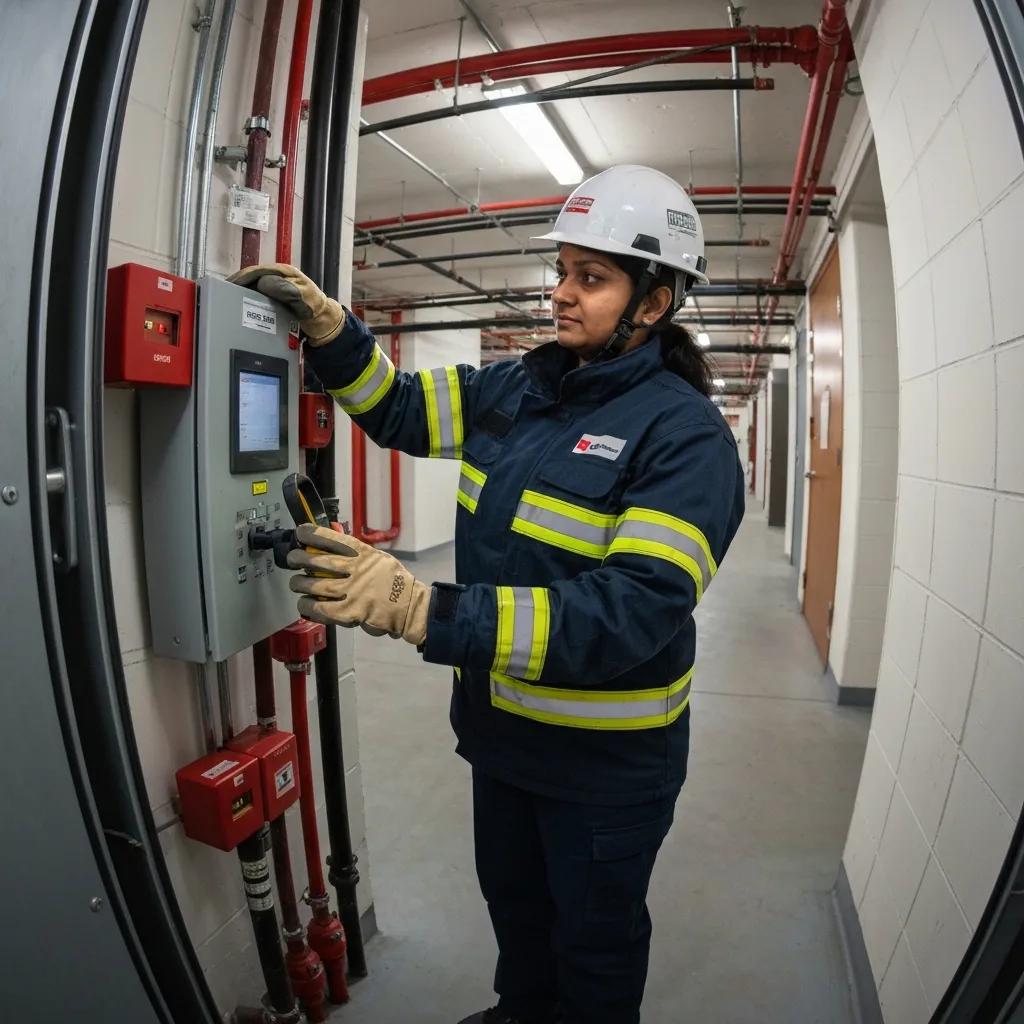
Fire Safety Audits in Abu Dhabi — Practical guidance for ADCD compliance and risk control
A fire safety audit is a structured, evidence-driven review of a building’s fire protection systems, procedures and records. It uncovers hazards, measures how systems perform and delivers a prioritised list of corrective actions to improve safety and meet Abu Dhabi Civil Defence (ADCD) requirements. This guide explains how audits work, why they matter for ADCD fitness certificates, and how facilities teams can turn findings into a clear remediation plan. You’ll find practical guidance on audit scope, common inspection methods, the ADCD approval process, the role of annual maintenance contracts, and how IoT, AI and analytics are changing audits in 2025. The guide also includes checklists, comparison tables of audit types and deliverables, and a concise summary of how Amples Fire & Safety LLC helps clients stay inspection-ready. By the end, you’ll know what to expect during an audit, how to prepare your site, and which metrics show ADCD success.
What a fire safety audit is — and why it matters in Abu Dhabi
A fire safety audit is a methodical review that inspects active and passive fire protection, emergency procedures and supporting documentation to assess risk and regulatory compliance. Auditors combine visual walkthroughs, operational tests, file reviews and risk scoring to surface gaps that can lead to penalties or greater hazard exposure. In Abu Dhabi, audits are particularly important because they map directly to ADCD inspection expectations and help buildings get ready for fitness-certificate assessments. An independent audit removes doubt and produces a prioritised remediation plan, so teams know exactly what to fix and when.
How a fire safety audit finds hazards and rates risk
Audits locate hazards using a mix of observations, system tests, staff interviews and maintenance-history checks. Auditors convert findings—blocked escape routes, inactive detectors or expired service logs—into ranked risk items using checklists and risk matrices. Typical deliverables include a technical report, a risk scorecard, timestamped photos and a remediation roadmap that links each issue to a recommended fix and estimated impact. This evidence-led output helps owners prioritise spend, prepare ADCD submissions and schedule follow-up inspections to confirm corrective work.
Key components of fire safety audits in Abu Dhabi
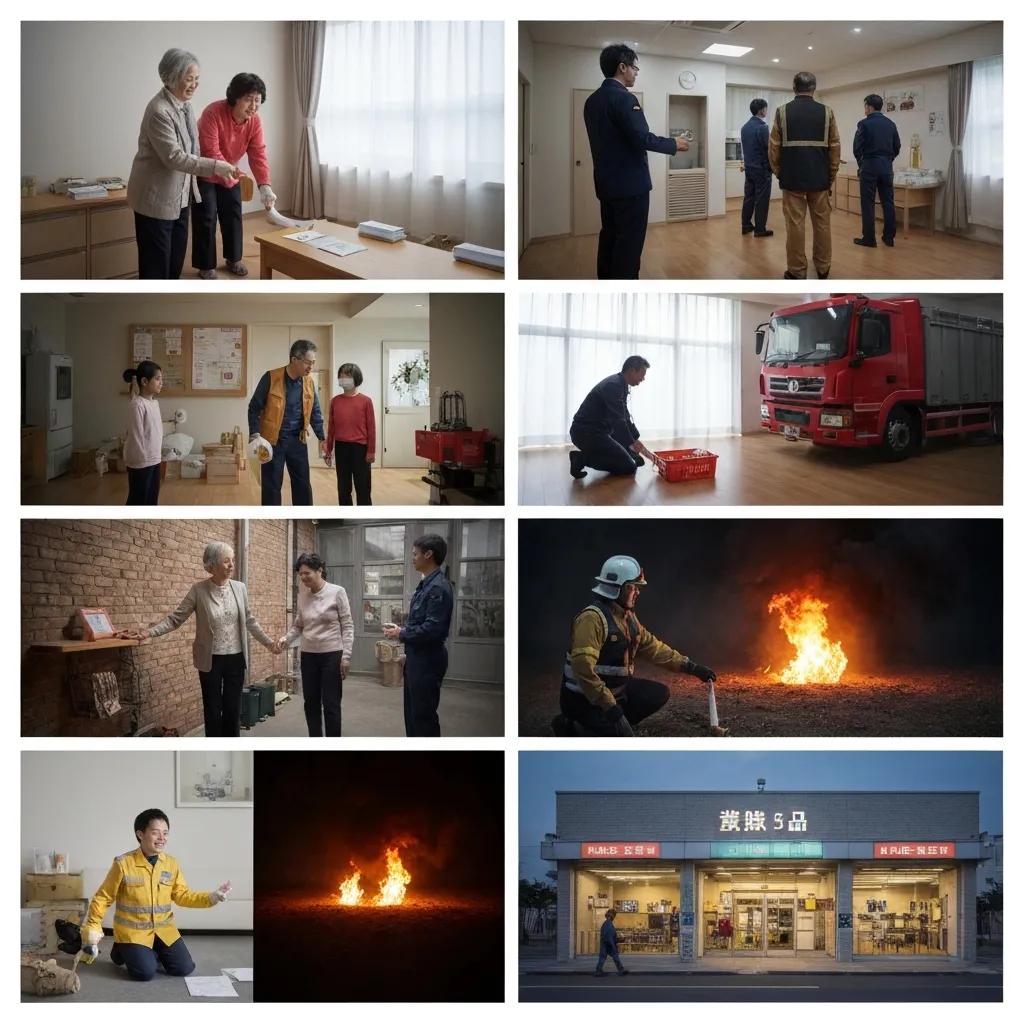
Core audit components include: inspection and testing of active systems; review of passive fire protection; checks on procedures and records; and assessment of staff training and evacuation planning. Active checks cover alarm panels, detectors, sprinklers, hydrants and portable extinguishers. Passive checks examine compartmentation, fire doors and structural fire-stopping. Auditors also verify maintenance logs, emergency response plans and evidence of drills, and confirm that nominated staff understand their roles. Together these checks give a full picture of operational resilience and ADCD readiness.
How Abu Dhabi Civil Defence regulations shape fire safety audits
ADCD regulations specify testing frequencies, documentation standards and minimum system performance levels that audits must confirm for fitness-certificate eligibility. In practice, audits are designed to produce the records and test evidence ADCD inspectors expect—reducing surprises during official inspections and smoothing approvals. Audits commonly find issues like missing logbooks, incomplete test evidence or non-compliant components; each finding is translated into a corrective plan aligned with ADCD criteria. Because regulations change, regular audits keep facilities compliant rather than reactive at inspection time.
Main ADCD fire safety requirements for commercial buildings
ADCD requires regular functional testing, accurate maintenance records, clear evacuation procedures and properly maintained active and passive protection. Audits therefore verify that fire alarm tests, sprinkler and hydrant checks, extinguisher servicing and other tests have documented evidence at the required intervals. Auditors also confirm evacuation plans, training records, emergency-lighting operation, escape-route signage and inspection tags. Mapping these checkpoints to ADCD standards lets managers close gaps before the official inspection and reduces the risk of enforcement or certification delays.
How Amples Fire & Safety helps with ADCD approvals and fitness certificates
Amples Fire & Safety LLC supports clients with pre-inspection audits, gap remediation and on-site rectification to align systems and documentation with ADCD expectations. Our annual maintenance experience lets us produce ADCD-ready reports and inspection packets so clients pursue fitness certificates with confidence. When audits identify issues, we carry out corrective works and compile the evidence ADCD requires—reducing inspection back-and-forth and converting findings into verifiable outcomes inspectors recognise.
Types of fire safety audits and inspections used in Abu Dhabi
Facilities in Abu Dhabi usually use a mix of audit types depending on risk and compliance needs: full system audits that assess the entire fire-protection lifecycle; component inspections focused on alarms or sprinklers; ADCD pre-inspections that simulate official reviews; and routine AMC checks under annual maintenance agreements. Full audits cover active and passive systems, procedures and records end-to-end. Targeted inspections focus on single-system performance and immediate fixes. ADCD pre-inspections act as a dry run to confirm fitness-certificate readiness and reduce the chance of adverse findings.
What annual fire safety maintenance contracts include
Annual maintenance contracts (AMCs) typically include scheduled inspections, routine functional testing, minor repairs and reporting to keep systems operational and audit-ready year-round. A standard AMC covers periodic alarm tests, sprinkler and hydrant checks, extinguisher servicing, required calibration and regular maintenance-log updates—the core documentation ADCD expects. Ongoing AMC reporting builds a continuous evidence trail, reduces administrative burden for facilities teams and aligns maintenance cycles with regulatory needs.
Below is a quick comparison to help decision-makers match audit scope to building needs—covering audit types, commonly inspected components and expected deliverables or service frequency.
| Audit Type / Component | Typical Scope | Typical Frequency / Deliverable |
|---|---|---|
| Full System Audit | Active systems, passive protection, procedures, training | Annual or biennial; comprehensive report and remediation plan |
| Component Inspection | Fire alarms, sprinklers, hydrants, extinguishers | Quarterly or semi-annual; test logs and corrective actions |
| ADCD Pre-Inspection | Simulated ADCD review focused on documentation & performance | Single pre-certification check; ADCD-ready submission packet |
| AMC Service Check | Scheduled testing, minor repairs, record-keeping | Ongoing monthly/quarterly visits; maintenance logs and certificates |
How fire alarm, sprinkler and firefighting systems are tested
Testing combines functional activation, selective sampling and visual inspection to confirm readiness. For fire alarm systems, auditors check panel health, detector sensitivity, zone responses and event logs. Sprinkler inspections include flow tests, head condition checks and valve integrity tests. Firefighting equipment checks validate hydrant pressure, hose condition and extinguisher charge status. Results are recorded against pass/fail criteria and linked to corrective actions with timelines prioritised by risk to life and assets. Test records feed directly into remediation plans and the ADCD evidence package.
Benefits of professional fire safety audits for Abu Dhabi businesses
Professional audits deliver clear, measurable benefits: better ADCD compliance rates, fewer enforcement actions and stronger protection for occupants and assets through prioritised remediation. Audits also support insurance readiness with verifiable maintenance histories and reduce downtime by catching high-risk failures early. Documented testing, prioritised corrective work and ongoing maintenance planning give leaders a transparent risk profile and a defensible compliance posture—often shortening inspection cycles and speeding up fitness-certificate approvals once fixes are implemented.
How audits improve legal compliance and protect property
Audits produce the documented test results and evidence ADCD inspectors require for fitness certification and ongoing approvals. By identifying missing records, outdated procedures or non-functioning components, audits enable focused remediation that prevents fines, shutdowns or delayed certification. Property protection improves because prioritised findings direct maintenance resources to items most likely to stop small issues becoming major losses—reducing liability exposure and strengthening the case for insurance claims when incidents occur.
Below, a benefits table maps common audit outcomes to measurable attributes and example KPIs so stakeholders can evaluate audit ROI.
| Benefit Category | Attribute (Benefit Type) | Value (Example / KPI) |
|---|---|---|
| امتثال | ADCD readiness | Fewer inspection findings (measured as percentage reduction) |
| Risk Reduction | Early hazard detection | Fewer system failures; faster corrective actions |
| Financial | Cost avoidance | Lower repair costs versus replacement after failure |
| Operational | Downtime reduction | Reduced emergency incidents and business interruptions |
How early hazard detection saves money and lives
Early detection lets teams fix small faults before they escalate—saving repair costs and reducing occupant risk. Replacing a faulty detector or repairing a corroded valve after an audit is almost always cheaper than managing system-wide failure or an actual fire. Audits enable triage: life-safety items get immediate attention while lower-risk tasks are scheduled. That focused approach optimises maintenance budgets and delivers clearer safety outcomes, from fewer evacuations to better occupant protection.
How advanced technology is changing fire safety audits in Abu Dhabi

IoT sensors, AI analytics and central data platforms are shifting audits from periodic snapshots to continuous condition monitoring and smarter prioritisation. IoT devices report real-time status on detectors, valves and environmental conditions; AI filters false alarms and highlights anomalies that need human attention. Analytics combines sensor data, test logs and service histories into risk scores that direct auditor effort where it matters most. Together, these tools reduce unnecessary site visits, speed up remediation and provide trend data that supports proactive lifecycle management.
IoT and AI in modern detection and monitoring
IoT devices deliver continuous device-health, temperature and smoke data to central platforms so developing faults are detected earlier. AI analyses patterns across sensors to reduce false positives, spot subtle anomalies and prioritise alerts requiring immediate response. Integration challenges include secure connectivity, legacy-system compatibility and tuning thresholds to match operational risk appetite. When implemented well, IoT and AI shorten the time between detection and repair and strengthen both safety and ADCD readiness.
Below is a technology table mapping capabilities to practical audit impacts and use cases.
| Technology | Capability | Practical Impact / Use Case |
|---|---|---|
| IoT Sensors | Continuous device health monitoring | Early fault detection and predictive maintenance |
| AI Detection | Pattern recognition and false-alarm filtering | Fewer nuisance alarms and more focused inspections |
| Data Analytics | Risk scoring from combined datasets | Prioritised corrective actions and resource allocation |
How data analytics improves risk assessment and audit accuracy
Data analytics merges inspection records, sensor feeds and maintenance histories into prioritised risk scores that guide auditors and maintenance teams. Turning disparate inputs into actionable insight—such as repeat faults or ageing components—improves audit accuracy and helps predict likely failure points. The result is targeted inspections, smarter spare-parts planning and stronger ADCD submissions supported by trend evidence. Combined with regular audits and maintenance, analytics moves organisations from reactive repairs to proactive lifecycle management.
Why choose Amples Fire & Safety LLC for audits in Abu Dhabi?
Amples Fire & Safety LLC offers tailored annual maintenance and audit packages built to meet ADCD expectations and keep operations inspection-ready. With hands-on AMC experience across firefighting and alarm systems, we deliver pre-inspection audits, on-site rectification and documentation support aligned to fitness-certificate requirements. We back our work with 24/7 response, fast on-site repairs and practical pricing to limit downtime and simplify compliance. Those attributes make Amples a pragmatic partner for organisations that want audit findings turned into documented, inspected outcomes.
Expertise and certifications Amples brings to audits
Amples deploys experienced technicians who specialise in auditing and maintaining firefighting and alarm systems, with a focus on ADCD-ready reporting and remediation planning. Our team’s practical skills ensure system functionality and clear documentation for inspections. While specific certification names aren’t listed here, our operating model centres on delivering AMC expertise and inspection support that aligns with ADCD requirements—giving clients a single technical point of responsibility.
How Amples delivers 24/7 emergency response and cost-effective solutions
We provide round-the-clock response and immediate on-site rectification to shorten the time between fault detection and repair and reduce operational disruption. This availability speeds remediation of critical audit findings, lowers the risk of enforcement action and cuts downtime costs. We also combine routine maintenance under annual contracts with targeted corrective works so facilities can budget predictably while maintaining ADCD readiness. For detailed service levels or a tailored audit and maintenance plan, contact Amples to discuss next steps.
- Common follow-up actions after an audit: Immediate repairs — fix life-safety failures discovered during inspection. Scheduled maintenance — book non-critical work into the AMC calendar. Documentation updates — compile test records and evidence for ADCD review.
These follow-up steps turn audit findings into verifiable outcomes and strengthen long-term compliance performance.
This guide covered audit scope, ADCD regulatory impact, audit types and the role of AMCs, benefits and ROI, how IoT/AI/data analytics are transforming audits, and how Amples Fire & Safety LLC integrates operationally to support ADCD inspections and annual maintenance. Each section includes practical checklists, comparison tables and technology mappings to help building managers prepare for audits and improve safety outcomes.
الأسئلة الشائعة
How should I prepare for a fire safety audit in Abu Dhabi?
Start by confirming all fire safety equipment—alarms, extinguishers, sprinklers—is operational and has up-to-date service records. Run a self-check using a standard audit checklist, correct obvious hazards and ensure evacuation plans and staff training records are current. Keep documentation organised and easy to access; auditors and ADCD inspectors will expect clear evidence of regular testing and maintenance.
How often should fire safety audits be carried out in commercial buildings?
Frequency depends on building type and risk. Full system audits are commonly annual or biennial; component inspections (alarms, sprinklers) may be quarterly or semi-annual. Additional audits are recommended after major renovations, occupancy changes or incidents. Align your cadence with ADCD requirements and your facility’s risk profile.
What happens if a building fails a fire safety audit?
Failing an audit can lead to corrective orders, fines or temporary closure until compliance is restored. It may also delay or block fitness-certificate issuance. That’s why timely remediation and documented evidence of repairs are critical—both to satisfy ADCD and to reduce operational and safety risks.
Can technology make fire safety audits more effective?
Yes. IoT sensors enable continuous monitoring of device health and environmental conditions; AI helps filter false alarms and highlight anomalies; and analytics turn test logs and sensor feeds into meaningful risk scores. Together these technologies make audits more targeted, reduce unnecessary site visits and shorten the time from fault detection to repair.
How important is staff training for audit outcomes?
Very. Auditors review training records and may interview staff to confirm they understand evacuation procedures and equipment operation. Regular, documented training ensures teams can respond correctly in an emergency and helps satisfy ADCD expectations during inspections.
How do I choose the right fire safety audit provider?
Choose a provider with ADCD experience, a proven audit methodology and a track record of delivering remediation work and documentation support. Check technician qualifications, client references and whether the provider offers ongoing AMC support and emergency response. The right partner will simplify compliance and turn audit findings into verifiable results.
خاتمة
Fire safety audits are a necessary, practical step to meet Abu Dhabi Civil Defence requirements and protect people and property. By identifying hazards and prioritising corrective work, audits make the path to fitness-certificate approval clearer and faster. Working with a professional partner like Amples Fire & Safety helps you convert audit findings into documented, inspection-ready outcomes. Ready to improve your site’s safety and compliance? Contact us to discuss a tailored audit and maintenance plan.