
Fire System Inspection Frequencies — A Practical Guide to Compliance and Maintenance
Regular inspections keep people and property safe — and keep you compliant. This guide explains how often common fire systems should be checked so business owners and facilities teams can plan maintenance with confidence. We cover inspection rhythms for fire alarms, sprinklers and extinguishers, reference NFPA guidance and local UAE rules, and explain why annual maintenance contracts (AMCs) are often the smartest way to stay on track. Read on to get a clear, practical view of inspection frequencies and the risks of falling out of compliance.
Required Inspection Frequencies for Fire Alarm Systems
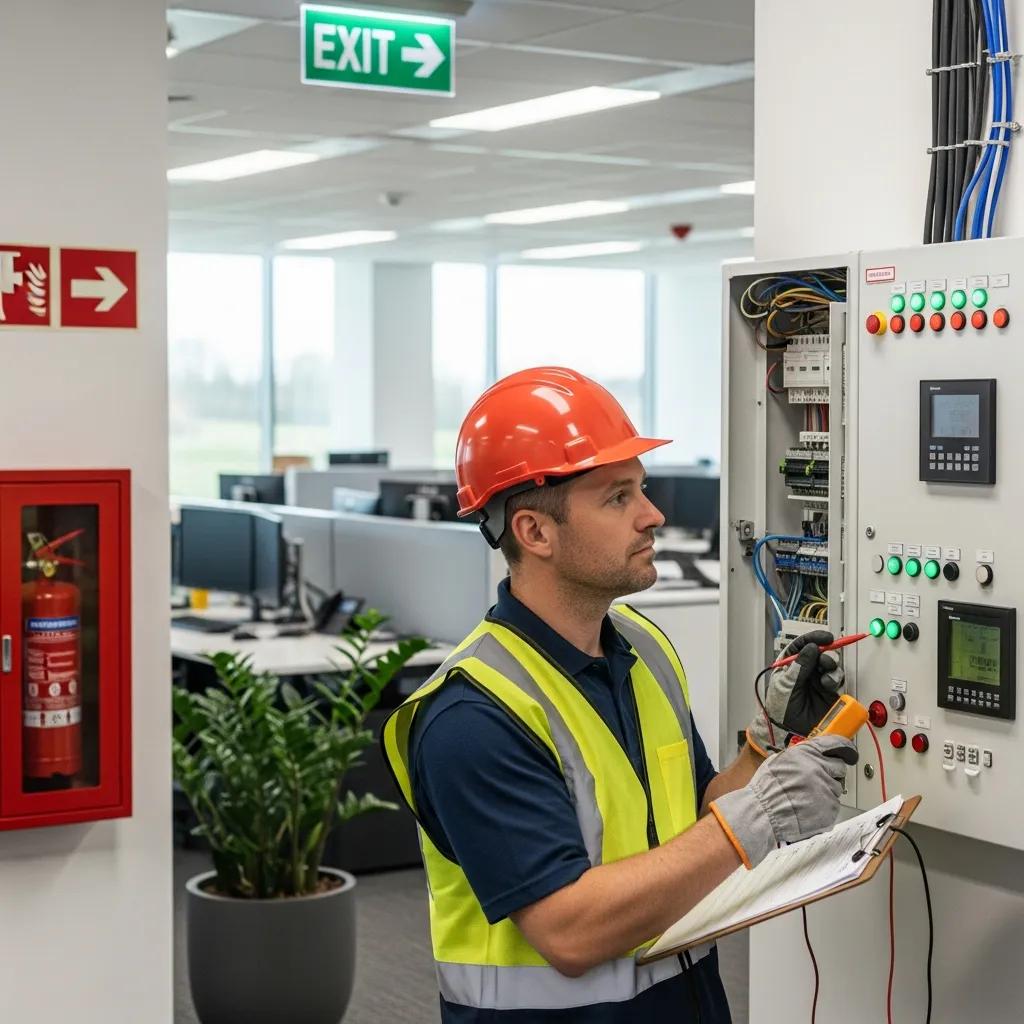
Fire alarms are your first line of detection — so they need regular checks. Inspections combine quick visual checks, periodic functional tests and deeper, scheduled inspections. NFPA guidance and local standards set the intervals that help systems remain reliable when it matters most.
How often should fire alarms be visually inspected and tested?
Visual checks are recommended at least once a month to spot visible damage, obstructions or tampering. A full functional test should be completed at least once a year. These routine checks catch the everyday faults — dead batteries, loose wiring or broken devices — before they become system failures.
What do the NFPA 72 guidelines require for fire alarm inspection frequency?
NFPA 72 sets out specific intervals for testing and inspection. In short: perform regular visual and operational checks, and schedule a comprehensive system inspection annually. That annual review should exercise and verify all key components to confirm the system works end to end.
How the Fire Sprinkler Inspection Schedule Is Structured
Sprinkler systems are critical for suppression and must be inspected on a predictable schedule. The program typically combines frequent visual checks with periodic, more invasive inspections to confirm water supply, valves and internal piping remain serviceable.
What are the quarterly and annual fire sprinkler inspection requirements?
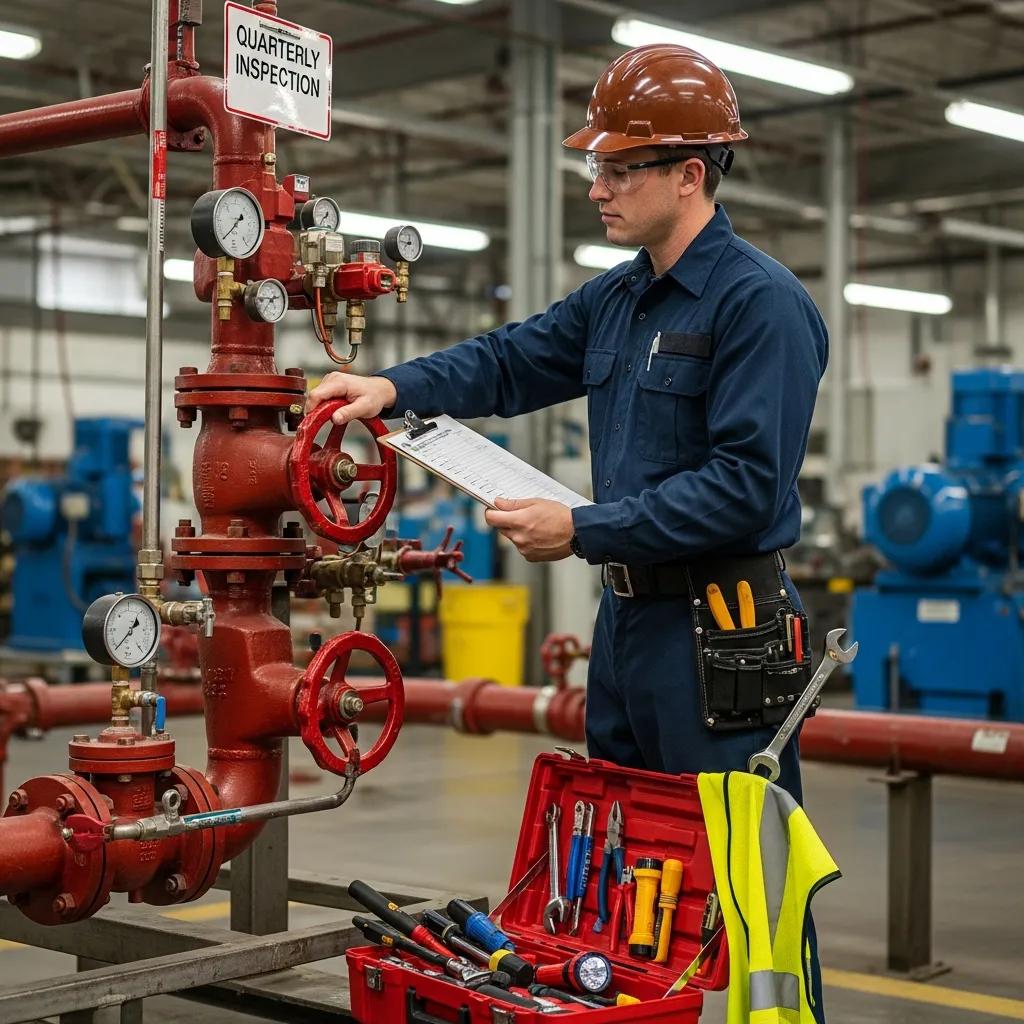
Quarterly visual inspections target exposed components — control valves, pressure gauges and visible fittings — to catch obvious problems early. An annual inspection goes deeper: testing water supplies, alarms and any system functions that require proof of performance to meet regulatory requirements.
When are 3‑year and 5‑year internal sprinkler inspections required under NFPA 25?
NFPA 25 calls for internal inspections on a multi‑year cycle: wet pipe systems typically require internal checks every three years, while dry pipe, pre‑action and deluge systems generally require five‑year internal inspections. These checks look for corrosion, blockages and other internal conditions that can compromise flow when the system is needed.
NFPA 25’s intervals are the backbone of reliable water‑based protection — they help ensure systems perform when an incident occurs.
NFPA 25: Inspection, Testing, Maintenance of Fire Sprinklers
These systems fall under NFPA 25, the Standard for the Inspection, Testing and Maintenance of Water‑Based Fire Protection Systems — the industry reference for scheduled sprinkler care and internal inspections.
Identifying Sprinkler System Inadequacy at Your Facility, 2017
Inspection and Maintenance Intervals for Fire Extinguishers
Portable extinguishers are a first response tool — they must be maintained so they operate immediately and reliably. That means combining regular, simple checks with annual servicing and periodic pressure testing where required.
How often should monthly visual checks of fire extinguishers be conducted?
Perform a quick visual check every month: confirm the extinguisher is accessible, the pressure gauge indicates readiness, safety seals are intact, and there’s no visible damage or corrosion. Monthly checks are a simple way to keep extinguishers ready for use.
What are the annual servicing and hydrostatic testing requirements?
Beyond monthly checks, extinguishers should receive professional servicing at least once a year for a full inspection and any required maintenance. Hydrostatic testing intervals depend on the extinguisher type and manufacturer instructions — often every 5 years for CO2 cylinders and every 12 years for many dry chemical cylinders — to verify cylinder integrity and safety.
External standards and industry practice back these intervals, reinforcing the need for both routine and periodic in‑depth testing.
Fire Protection System Inspection & Maintenance Frequencies
Industry guidance outlines minimum inspection and testing frequencies to keep suppression equipment reliable. Examples include five‑year hydrostatic tests for some high‑pressure cylinders, annual visual checks for low‑pressure cylinders, and periodic internal inspections.
Inspection, testing and maintenance of fire protection systems at industrial plants, 1999
How UAE Fire Safety Regulations Affect Inspection Frequencies
UAE civil defence rules and local authority requirements shape inspection schedules for buildings across the Emirates. Following local regulations keeps your facility legal and helps secure fitness certificates and approvals.
What are the Abu Dhabi Civil Defence compliance requirements for inspections?
Abu Dhabi Civil Defence (ADCD) specifies inspection and maintenance frequencies for fire systems as part of obtaining fitness certificates and approved civil defence contracts. Regular, documented inspections are essential to meet these local compliance standards and avoid enforcement actions.
Local compliance frameworks and research continue to refine how fire safety is managed across the UAE, reinforcing the need for consistent maintenance programs.
UAE Fire Safety Framework & Building Compliance
This study proposes a framework to help the Sharjah Civil Defence Authority assess how well high‑rise buildings meet fire system management requirements — a practical example of regional compliance work.
The fire safety framework for the buildings in the Emirate of Sharjah,
UAE, M Omar, 2025
How does the Hassantuk system support fire safety monitoring and inspection?
Hassantuk enhances oversight by integrating inspection data and delivering real‑time alerts. When linked with inspection programs, it helps authorities and building owners track compliance and respond faster to system faults.
Why Annual Maintenance Contracts (AMCs) Matter for Compliance
An AMC turns inspection dates into a managed program: scheduled visits, documented reports and prompt fixes. That structure reduces risk and simplifies staying aligned with ADCD and NFPA requirements.
How do AMCs keep you continuously compliant with ADCD and NFPA standards?
AMCs lock in routine inspections, testing and servicing so systems stay operational and records remain current. With a proactive maintenance partner, issues are diagnosed and fixed before they escalate — helping you avoid fines and protect occupants.
Benefits of choosing Amples Fire & Safety LLC for system maintenance
Working with Amples means you get certified technicians, scheduled inspections tailored to your site, and clear documentation for regulators. Our AMCs are built to meet local rules and NFPA best practice, so owners and facilities managers can focus on running the business with less administrative burden.
Consequences of Not Following Inspection Frequencies
Ignoring inspection schedules creates safety exposure and regulatory risk. Non‑compliance can lead to equipment failures, fines, or more serious legal liabilities — and it puts lives at stake.
What financial and legal penalties apply in Abu Dhabi and the UAE?
In Abu Dhabi and elsewhere in the UAE, failing to maintain required inspections can result in fines, denial of fitness certificates and potential legal action. These penalties harm reputations and can have long‑term financial impact.
How can regular inspections prevent system failures and safety risks?
Routine inspections find small faults early — clogged pipes, worn components, discharged extinguishers — so you can repair them before they cause a system failure. That proactive approach reduces downtime, limits risk and keeps occupants safer.
| Inspection Type | Frequency | Key Requirements |
|---|---|---|
| Fire Alarm Visual Check | شهريا | Check for damage and obstructions |
| Fire Alarm Testing | Annually | Ensure operational functionality |
| Fire Alarm Comprehensive Inspection | Annually | Test all components for compliance |
| Fire Sprinkler Quarterly Inspection | ربع سنوي | Check valves, gauges, and visible components |
| Fire Sprinkler Annual Inspection | Annually | Thorough evaluation of the system |
| Fire Extinguisher Monthly Check | شهريا | Verify accessibility and condition |
| Fire Extinguisher Annual Servicing | Annually | Complete inspection and maintenance |
| Hydrostatic Testing for Extinguishers | Every 5 or 12 Years | Ensure cylinder integrity depending on extinguisher type |
Fire protection systems save lives — and they require predictable care. Following recommended inspection frequencies, keeping clear records and using an AMC where appropriate will help you meet regulations and reduce risk. Prioritise inspections and maintenance to protect people, property and your business continuity.
الأسئلة الشائعة
What should I do if my fire system fails an inspection?
Address the defects immediately: engage a certified fire safety technician to repair or replace faulty components, document the corrective actions and arrange a follow‑up inspection. Quick, recorded remedial work keeps you compliant and reduces safety exposure.
Are there specific qualifications required for fire system inspectors?
Yes. Inspectors should hold recognised training and certifications — for example NFPA‑aligned credentials or local authority approvals — and have practical experience with the systems they inspect. Qualified inspectors provide reliable assessments and actionable recommendations.
How can I ensure my fire safety systems are always compliant?
Set up a maintenance schedule that follows NFPA and local rules, keep inspection records, and consider an AMC with a certified provider. Also train staff on basic checks and stay informed about regulatory updates that affect your site.
What are the common issues found during fire system inspections?
Frequent findings include dead batteries, blocked or painted sprinkler heads, corroded or damaged components, inaccessible extinguishers and outdated equipment. Regular checks reduce the chance these issues escalate into failures.
How does inspection frequency differ for residential and commercial properties?
Commercial sites usually face stricter schedules and more frequent inspections because of higher occupancy and greater risk. Residential systems often have simpler requirements, but you should always confirm local regulations for your property type.
What role does technology play in modern fire system inspections?
Technology streamlines inspections through remote monitoring, real‑time alerts and digital records. These tools improve accuracy, speed up response and make compliance documentation easier to manage.
Can I perform fire system inspections myself?
You can perform basic monthly visual checks, but comprehensive inspections, testing and certification should be done by qualified professionals. Certified technicians have the training and tools to spot hidden issues and ensure regulatory compliance.
خاتمة
Clear inspection schedules, proper documentation and a proactive maintenance approach keep systems reliable and buildings compliant. Whether you manage inspections in‑house or use an AMC, make sure your program follows NFPA and local authority guidance. If you’d like help designing a compliant, low‑overhead maintenance plan, explore our services and let Amples support your safety program.